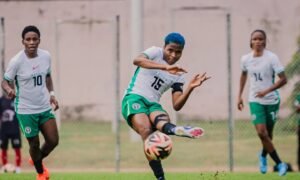
Nigeria’s 2026 World Cup hopes have been revived after the Nigeria Football Federation (NFF) formally petitioned FIFA over alleged player eligibility breaches by the Democratic Republic of Congo.
The Super Eagles were knocked out of African qualification in November, losing on penalties to DR Congo. But FIFA is now reviewing claims that several Congolese players in that match may not have been eligible under national law.
The NFF’s complaint centres on Congolese nationality rules, which do not allow dual citizenship. Nigeria says some DR Congo players retained European passports and may not have renounced their previous nationalities, a requirement under Congolese law.

Victor Osimhen celebrating with his Super Eagles teammates. Photo Credit: Poojamedia
FIFA’s approval of a one-time nationality switch only confirms sporting eligibility. It does not issue passports or enforce domestic nationality law. Nigeria argues that while FIFA cleared some DR Congo players, they may not have fully complied with local rules.

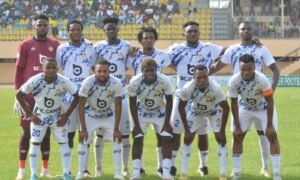
DR Congo starting XI versus Cameroon in the African playoff Semi final. Photo Credit: Getty Images
Players in the DR Congo Squad With Dual Nationality Backgrounds
Mario Stroeykens, Ngal’ayel Mukau, Michel-Ange Balikwisha, Noah Sadiki (Belgium)
Axel Tuanzebe, Aaron Wan-Bissaka (England)
Nathanaël Mbuku, Samuel Moutoussamy (France)
Charles Pickel (Switzerland)
The petition does not accuse players of wrongdoing but asks FIFA to determine if Congolese law was fully respected when they were cleared to play.
NFF Secretary General Dr Mohammed Sanusi confirmed the petition has been submitted:
“We’re waiting. The Congolese rules say you cannot have a dual citizenship or nationality. Wan-Bissaka has a European passport; there are some of them that have French passports, some of them Dutch passports. The rules are very clear, and we have submitted our petition.”
READ MORE:npfl-rivers-united-extend-unbeaten-run-to-reach-summit
He added: “That’s why FIFA cleared them. FIFA rules say once you have passports of your country, you’re eligible, as far as FIFA is concerned, they are eligible and that’s why they were cleared.”
CLICK HERE TO JOIN THE ATHLETIC NG WHATSAPP CHANNEL NOW!
He questioned how the information was presented to FIFA:
“But right now, our concern is that FIFA was deceived into clearing them. It is not the responsibility of FIFA to ensure that the regulations of Congo are followed.
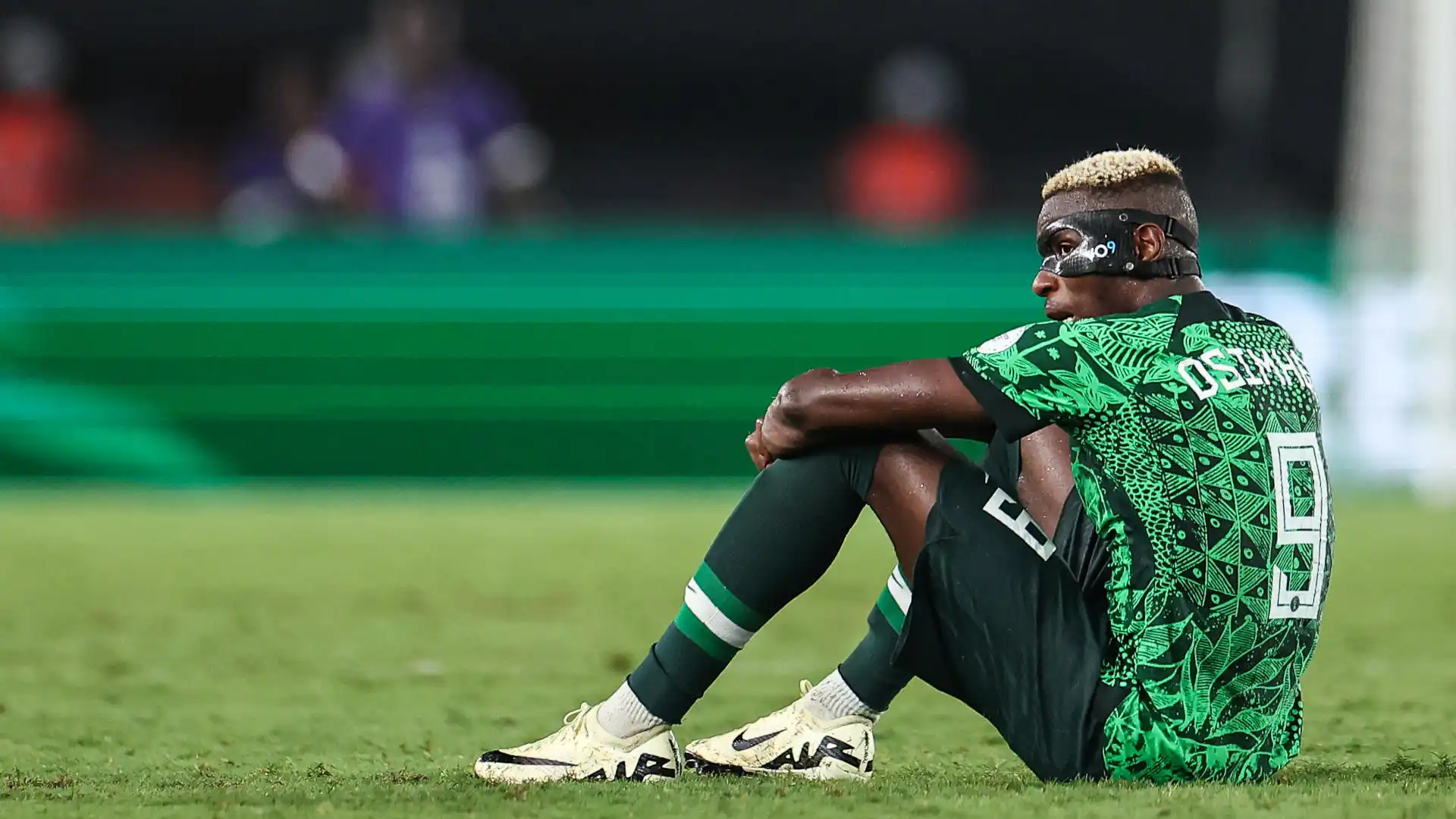
Photo Credit: Getty Images
FIFA goes by its own regulations, and it was on the basis of what was submitted to FIFA that they cleared them. What we are saying is that it was fraudulent.”
The Eligibility Question Goes Beyond Football
Under DR Congo’s Constitution, nationality cannot be rushed. Foreigners can only become Congolese through defined processes, naturalization, marriage, option, or adoption approved by the state, the National Assembly, the Council of Ministers, and the President. A passport alone is not enough.
Naturalization requires:
Proven good character, No serious criminal convictions, At least seven years’ residence (or five years of permanent residency) and Evidence that citizenship serves a national interest
DR Congo does not recognize dual nationality, except narrowly for children born abroad until they turn 21, after which one nationality must be renounced.
If a player’s nationality was obtained outside these rules, their eligibility collapses.
FIFA clears players based on documents submitted by national associations, but clearance is not permanent. If fraud is suspected, FIFA can intervene under Article 22 of the FIFA Disciplinary Code on falsification and forgery.
If a player’s nationality is found fraudulent, FIFA can:
Withdraw eligibility, Impose bans (often at least 12 months), Fine the national association, Forfeit matches (usually 3–0 losses), In serious cases, expel teams from competitions as well trigger criminal investigations if documents are forged
In late 2025, FIFA sanctioned the Football Association of Malaysia after discovering forged birth certificates. Players were suspended for 12 months and the association fined, showing that results built on false documents do not stand.