Super Eagles striker and Valencia forward, Sadiq Umar, has strongly condemned the brutal mob killing of 16 Hausa travelers in Edo State, calling out the ignorance that led to their deaths.
The victims, a group of Hausa hunters traveling from Port Harcourt to Kano for Sallah celebrations, were mistaken for kidnappers and Fulani herdsmen and were lynched and burned alive by an angry mob.
Reports confirm that the travelers were part of a Dangote cement truck heading north when locals in Udune Efandion community stopped them, searched their vehicle, found Dane guns, and wrongly accused them of being criminals.
The brutal and unjust killing of 16 innocent Hausa travelers in Edo State is a horrifying tragedy that demands an immediate and resolute response. The fact that such a heinous act could unfold so viciously, based solely on false accusations, exposes the deep-rooted dangers of mob… pic.twitter.com/Vb31Aewv7a
— 𝐍𝐀𝐖𝐀𝐒 𝐌. 👑 (@Nawas_masood) March 28, 2025
In a horrifying act of mob justice, they were set on fire before they could explain themselves.
READ MORE:Chiamaka Okwuchukwu makes dream NWSL debut with record-breaking goal
Sadiq Umar Speaks Out
Reacting to the shocking incident, Umar took to social media to address the recurring misidentification between Hausa and Fulani people, a confusion that has fueled tensions in parts of Nigeria.
“Only the ignorant don’t know the difference between Hausa and Fulani,” Umar posted. “Hausa is a tribe from the North on its own, with both Muslims and Christians in it, and with good and bad people like any other tribe.

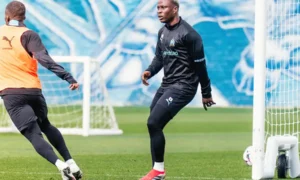
Sadiq is the only Nigerian player to raise his voice on mob killing in Edo State. Photo Credit: Valencia
The same as the Fulani, who have their own language (Fulatanchi) and are also made up of both Muslims and Christians. Ignorance is killing people. We have good and bad people in every tribe.”
CLICK HERE TO JOIN THE ATHLETIC NG WHATSAPP CHANNEL NOW!
Umar’s statement highlights growing frustration among Northerners, who feel unfairly targeted and stereotyped in parts of Southern Nigeria.
The rising insecurity, herdsmen crisis, and kidnappings have further strained inter-ethnic relations, leading to dangerous mob actions based on assumptions rather than facts.