
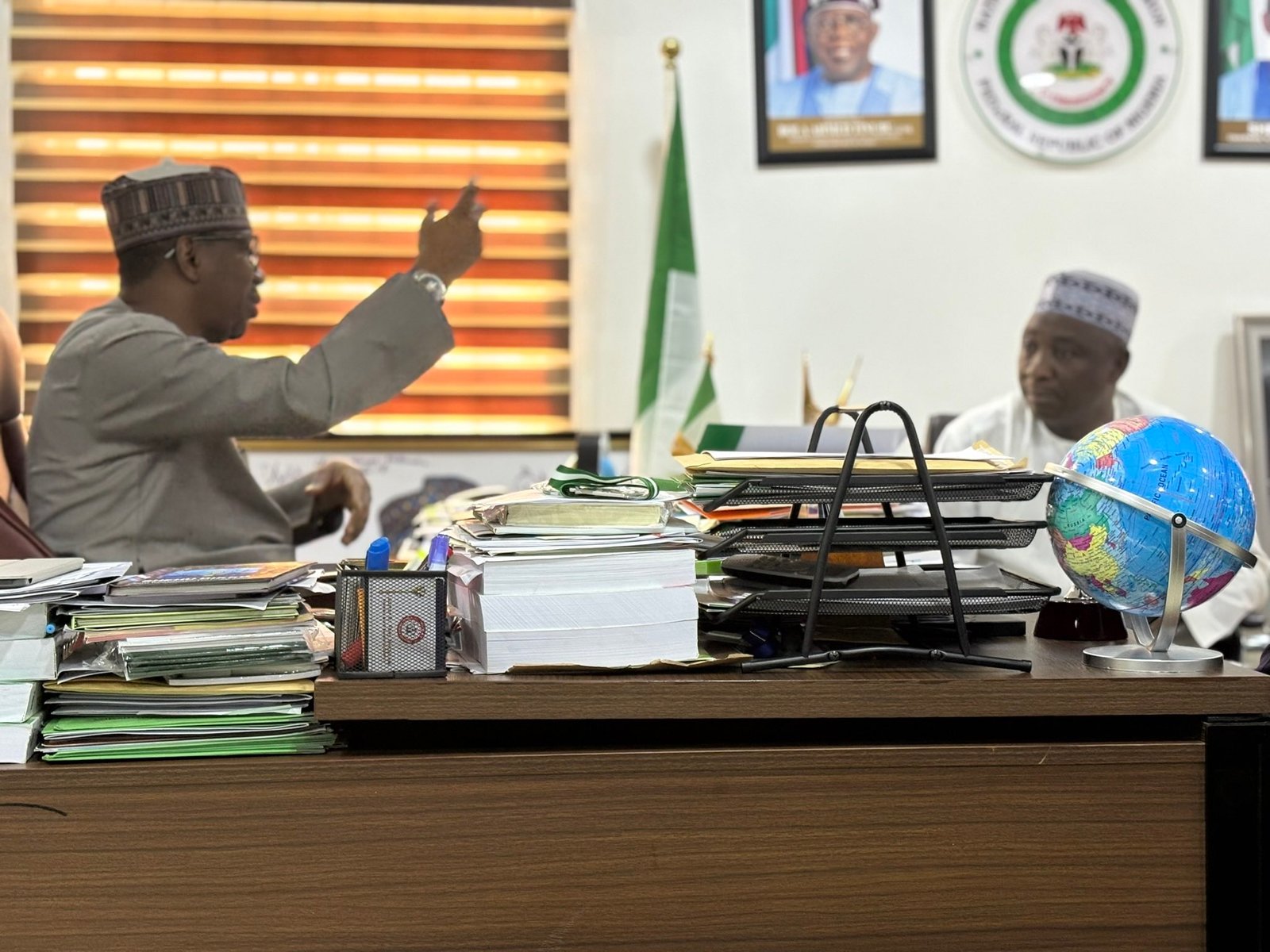
Months before the Nigeria Football Federation descended into a major leadership crisis, National Sports Commission Chairman Shehu Dikko had already delivered a blunt warning to the country’s football administrators.
At the NFF Extraordinary General Assembly in Yenagoa on March 23, Dikko urged the federation to undertake comprehensive reforms, arguing that Nigerian football could no longer continue operating under governance structures designed more than a decade earlier.
“If the system does not correct itself, the correction will be done for it.”
The warning, delivered months before the subsequent upheaval involving the NFF leadership, has taken on added significance as Nigerian football faces renewed scrutiny over its governance and administration.
Dikko’s address was not presented as an attack on the federation. Instead, the NSC chairman framed the proposed reforms as part of what he described as a broader transformation of sports governance under the Federal Government.
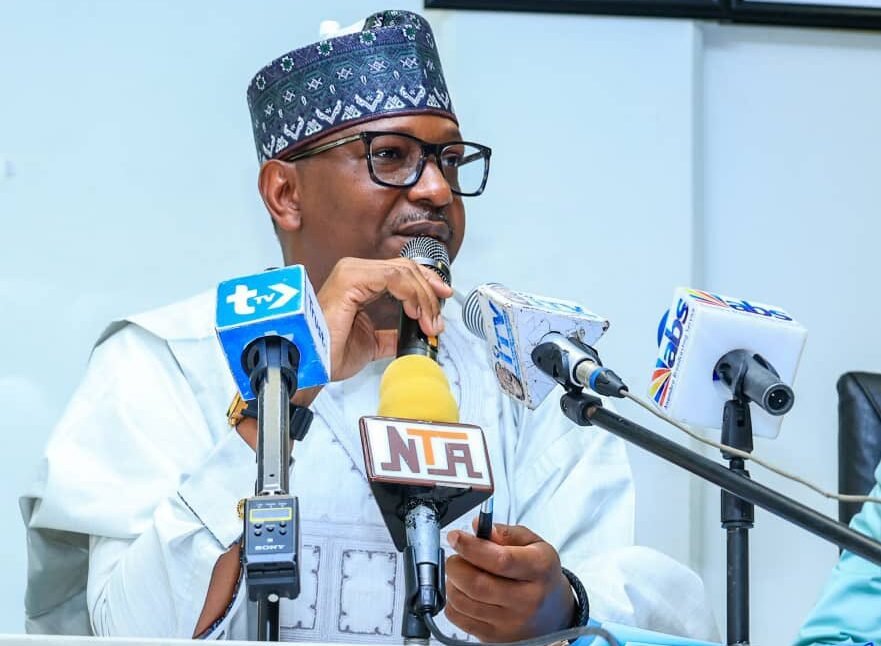
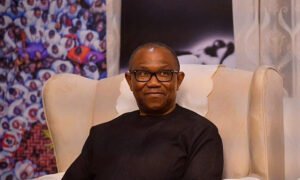
NSC Chairman Shehu Dikko. Photocredit: Chairman Shehu Dikko/X
He argued that the country’s football structures needed to reflect the changing realities of Nigerian sports and the increasing emphasis on accountability, transparency, inclusion and commercial development.
A major part of his argument centred on the NFF’s governing framework. Dikko told delegates that the 2010 NFF Statutes had become outdated and could no longer adequately serve the needs of Nigerian football.
“The 2010 NFF Statutes has become obsolete. It is no longer fit for purpose, it does not reflect modern governance standards, it does not sufficiently guarantee inclusivity or balanced stakeholder participation, and it does not align with the current direction of sports governance in Nigeria as envisioned or with evolving global best practices.”
The issue went beyond changing individual officials or addressing isolated problems. He was calling for a structural review of how Nigerian football was governed.
He argued that the reform process should deliberately bring more stakeholders into the decision-making structure, including players, clubs, leagues, referees, coaches and administrators.
READMORE: Chelle names Ozebagbe, Ortega as Olympic Eagles assistants ahead of LA 2028 qualifiers
The NSC chairman also stressed the need for greater transparency, accountability and integrity, insisting that any new governance structure should be credible both within Nigeria and internationally.
But the most striking element of his address was his insistence that the responsibility for initiating the change rested with the football authorities themselves.
Dikko urged the delegates to put aside personal interests and immediate benefits and instead focus on creating a governance framework capable of serving Nigerian football for generations.
“This Assembly therefore carries a very important responsibility. It must set aside any personal interest and or any immediate benefits, to initiate and drive a process of reform that is deliberate, inclusive, and aligned with both international standards and national realities.”
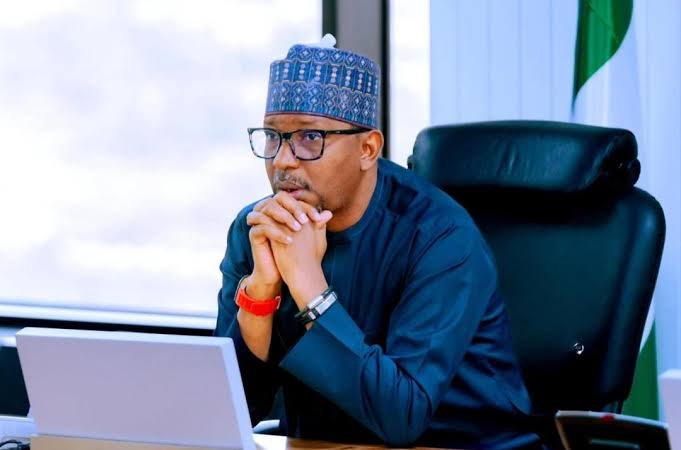
That appeal now provides an important backdrop to the events that have unfolded around the NFF leadership.
Rather than simply calling for administrative adjustments, Dikko had warned that Nigerian football was entering a different era in which sports institutions would be expected to align with broader national policies and modern governance expectations.
He pointed to the Federal Government’s decision to reposition sports as a strategic national asset and argued that football, as Nigeria’s most influential sport, should be at the forefront of that transformation.
“Football, as the most influential sport of in Nigeria, must lead this process. It must set the standard. It must demonstrate that reform is possible, that governance can be modernized, and that institutions can evolve from within in line with national expectations.”
The warning was therefore bigger than the fortunes of any particular NFF administration.
Dikko was effectively challenging Nigerian football’s leadership to demonstrate that its governing institutions could evolve without waiting for external intervention. that makes his March speech particularly relevant now.
READMORE: Benjamin Fredrick returns to competitive action after nine months
The events that followed have placed NFF governance back at the centre of national debate, while questions around accountability, institutional reform and the future direction of Nigerian football continue to dominate discussions.
Dikko’s earlier intervention had already identified many of those issues.
He had called for a governance system capable of encouraging private-sector participation, unlocking investment and properly monetising football’s commercial assets, including broadcast rights, sponsorship, digital content and merchandising.
He also argued that football governance should no longer be viewed merely as an administrative responsibility.
“Football governance must now be designed not only to administer the game, but to grow its economic value as well as ensure its sustained competitiveness and success on the pitch.”
The significance of that argument has become even clearer as Nigerian football seeks to attract greater commercial investment and improve the financial sustainability of its leagues and clubs.
But above all, Dikko’s March intervention was a call for Nigerian football to take ownership of its own reform process.
CLICK HERE TO JOIN ATHLETIC NG WHATSAPP CHANNEL NOW!
His warning was unmistakable: reform was not optional, and waiting too long could mean losing the opportunity to determine the nature and direction of the changes.
Months later, with the NFF leadership crisis having forced governance questions back into the spotlight, those words now read less like a general policy speech and more like a warning about what could happen when institutional reform is delayed.
The question that remains is whether the next chapter of Nigerian football will finally deliver the comprehensive restructuring Dikko demanded or whether the system will continue to wait for correction to come from elsewhere.



























Pingback: “2010 NFF Statutes no longer fit for purpose” - What the rulebook says and why Dikko demanded football’s governance overhaul - The Athletic NG