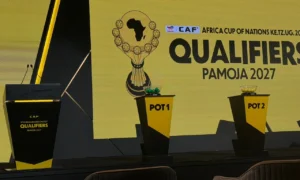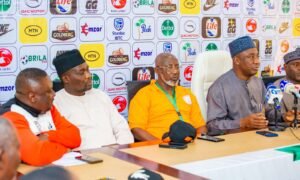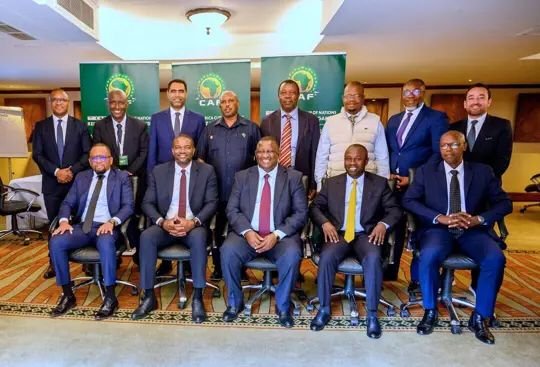
Confederation of African Football (CAF) and leaders from Kenya, Tanzania, and Uganda have reaffirmed their joint commitment to delivering a successful 2027 Africa Cup of Nations, following a high level kickoff meeting in Kampala.
The meeting bringing together sports ministers, football federation presidents, and Local Organising Committee (LOC) chairpersons marked a significant step in preparations for the tournament, which will be co-hosted under the “PAMOJA” banner, symbolising unity across East Africa.
CAF’s acting general secretary commended the three host nations for progress made so far, stressing the importance of coordination, disciplined execution, and a shared regional vision in delivering a successful competition.
The three countries Kenya, Tanzania, and Uganda also expressed appreciation to CAF President Patrice Motsepe for continued support, guidance, and confidence in the partnership.
READMORE: Oshoala bag goals in season’s last dance for Al Hilal
Discussions focused on key areas including infrastructure, hospitality, security, and governance. Each nation provided updates on stadium construction and renovation, as well as improvements to transport networks, airports, and accommodation facilities.
An accelerated delivery roadmap has been agreed, with August 2026 set as a major milestone for assessing readiness.
Beyond infrastructure, the hosts are positioning the tournament as a broader economic opportunity. Plans are underway to enhance tourism, improve medical and security systems, and ensure efficient movement for fans and stakeholders, with a shared goal of presenting East Africa as a competitive and welcoming destination.
A major highlight from the meeting was progress toward a unified visa system. The proposed “PAMOJA Visa Framework” aims to ease travel across the three nations during the tournament, potentially offering visa exemptions, faster processing, and harmonised immigration procedures for teams, officials, media, and supporters.
CLICK HERE TO JOIN ATHLETIC NG WHATSAPP CHANNEL NOW!
Organisers also agreed on a governance structure designed to ensure accountability and smooth decision making, involving CAF, government representatives, football associations, and LOC leadership.