
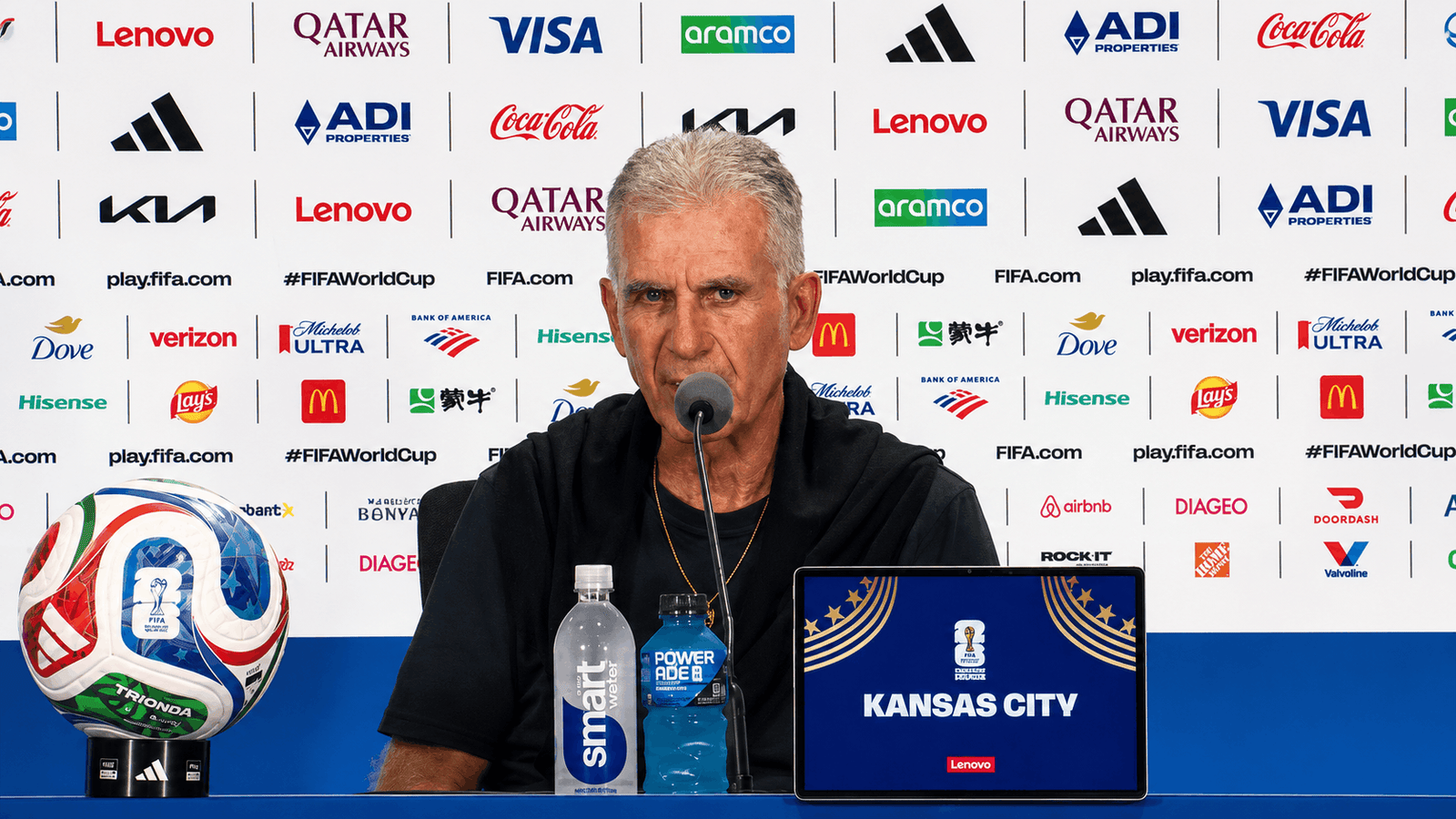
Ghana head coach Carlos Queiroz believes African football will only realize its enormous potential when investment in infrastructure, coaching and youth development matches the continent’s wealth of talent.
The experienced Portuguese tactician made the passionate assessment after Ghana’s 1-0 defeat to Colombia in the Round of 32 of the FIFA World Cup, arguing that the continent’s shortcomings extend far beyond what happens on the pitch.
According to Queiroz, Africa continues to produce outstanding footballers, but the environment required to consistently develop elite players remains lacking.
“African football has to fulfil its destiny. It is far from fulfilling its destiny,” Queiroz said.
“There is a lot of potential when we talk about players, but the differences between African football and European football, South American football, American football and Asian football are very different when we talk about infrastructure for training.”
The former Real Madrid and Portugal coach stressed that talent alone cannot sustain long-term success without quality facilities, coaching structures and competitive environments.
“So there is a lot to do so that African football can do what it deserves,” he continued.
“Football is not only about talent. Football is also about the whole environment to develop talent. This is what is missing in Africa.”
READMORE: CAF opens AFCON bidding – but Morocco cannot contest. Here’s why
Queiroz also criticised the playing conditions and limited opportunities available to many clubs across the continent, saying they continue to hinder player development.
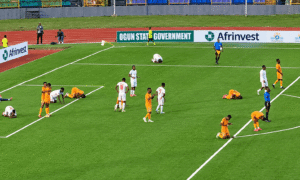
“There are many limitations in competitions between clubs, international competitions between clubs and very difficult pitches, which are not pitches they are potato fields to play football,” he said.
“But this is the reality of our continent and we have to live with what we have.”
The 73-year-old pointed to Morocco as evidence of what sustained investment can achieve, highlighting the country’s improvements in football infrastructure, coaching education and youth development.
“I think the day African football has more conditions, more infrastructure, better preparation of coaches and youth teams, the potential of African football will develop a lot,” he added.
Queiroz argued that many of Africa’s strongest national team performances are driven by players developed abroad rather than by domestic football structures.
“Until then, we can see here and there some arrows that are not representative of African football. They are representative of a group of players who at a certain moment are in Europe working together and then make some results for the national teams.”
“But there is no continuity and consistency.”
CLICK HERE TO JOIN ATHLETIC NG WHATSAPP CHANNEL NOW!
































Pingback: Ghana ‘played against themselves’ in Colombia defeat, says Carlos Queiroz - The Athletic NG