The Confederation of African Football (CAF) could reconsider its decision to stage the Africa Cup of Nations (AFCON) every four years, raising fresh uncertainty over one of the most significant changes to the continent’s flagship football tournament in decades.
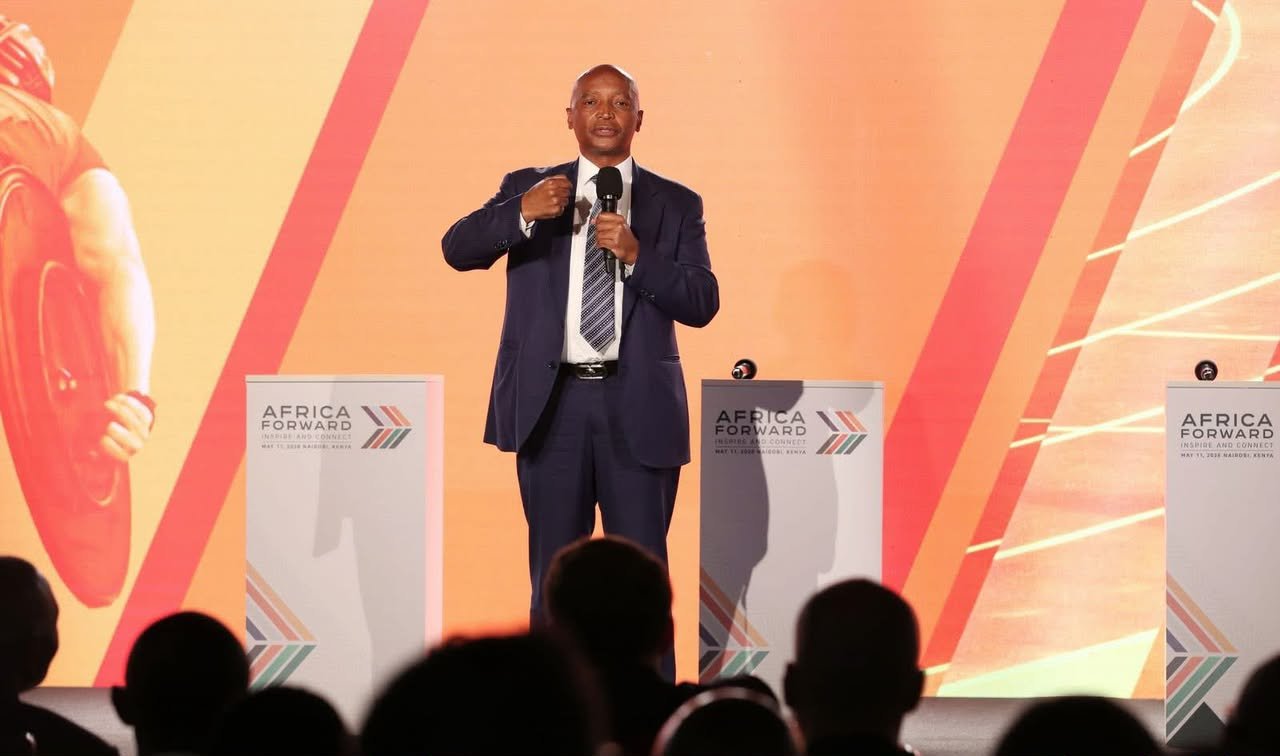
The reported development comes less than a year after CAF president Patrice Motsepe announced on December 20, 2025, that the competition would move from its traditional two-year cycle to a four-year schedule following the 2028 edition.
According to reports emerging on Friday, October 9, 2026, the decision could be reviewed at an upcoming CAF Executive Committee meeting.
However, CAF has yet to confirm publicly that it intends to reverse the change, meaning the possibility of a review should not be interpreted as an official return to the biennial format.
The original announcement, made on the eve of the 2025 AFCON in Morocco, marked a major departure from a tournament that has been staged approximately every two years since 1968.
Motsepe said the restructuring was intended to bring African football’s calendar into closer alignment with the international schedule and improve the game’s financial sustainability.
Under the announced plan, the 2027 tournament, scheduled to be co-hosted by Kenya, Tanzania and Uganda, would proceed, followed by a 2028 edition before the competition moved to a four-year cycle.
To compensate for the reduction in AFCON frequency, CAF also announced plans to introduce an African Nations League from 2029, creating a more regular competition structure and a new potential source of revenue for the governing body.
Despite those assurances, the decision generated considerable debate across African football, particularly because AFCON is not only the continent’s premier national team competition but also a major commercial event and an important platform for players, coaches and national associations.
Critics questioned whether holding the tournament once every four years would reduce opportunities for African teams to compete at the highest continental level, limit the exposure of emerging players and weaken a competition whose appeal is closely tied to its regular return.
Financial concerns have also featured prominently in the debate. AFCON has historically been a major revenue generator for CAF, and the move to a four-year cycle has raised questions about how the organization will maintain its income and distribute sufficient funding to its 54 member associations.
The proposed African Nations League was intended to help address that challenge.
The decision also attracted criticism over consultation, with several African football federation presidents telling The Guardian in January that they had not been adequately informed before the change was announced.
CAF’s decision making process and the extent of member associations’ involvement consequently became part of the wider controversy.
Motsepe defended the change in January, insisting that it was taken in the interests of African football rather than imposed by external parties. He acknowledged, however, that CAF could have done a better job of communicating the decision.
Whether the reported review will lead to a substantive change remains unclear. CAF would need to clarify the scope of any reconsideration, including whether it is examining the frequency of AFCON itself, the broader competition calendar or alternative arrangements for balancing sporting and commercial interests.
The possibility of a review reopens a debate that has remained contentious since December.
Any confirmed change would have significant implications for African national teams, players, sponsors, broadcasters and the host countries preparing to stage future editions of the competition.
Until CAF issues an official decision, however, the four-year cycle remains the announced plan, and a return to the traditional two-year schedule is still only a possibility.