
Women’s football in Africa is entering a new phase of commercial and competitive investment, with the Confederation of African Football increasing the financial rewards available to national teams and preparing the next edition of its flagship women’s tournament.
The changes are significant for a competition that has grown in size and visibility in recent years. They also raise a broader question about whether increased prize money can translate into stronger domestic structures, better preparation and more sustainable opportunities for female players across the continent.
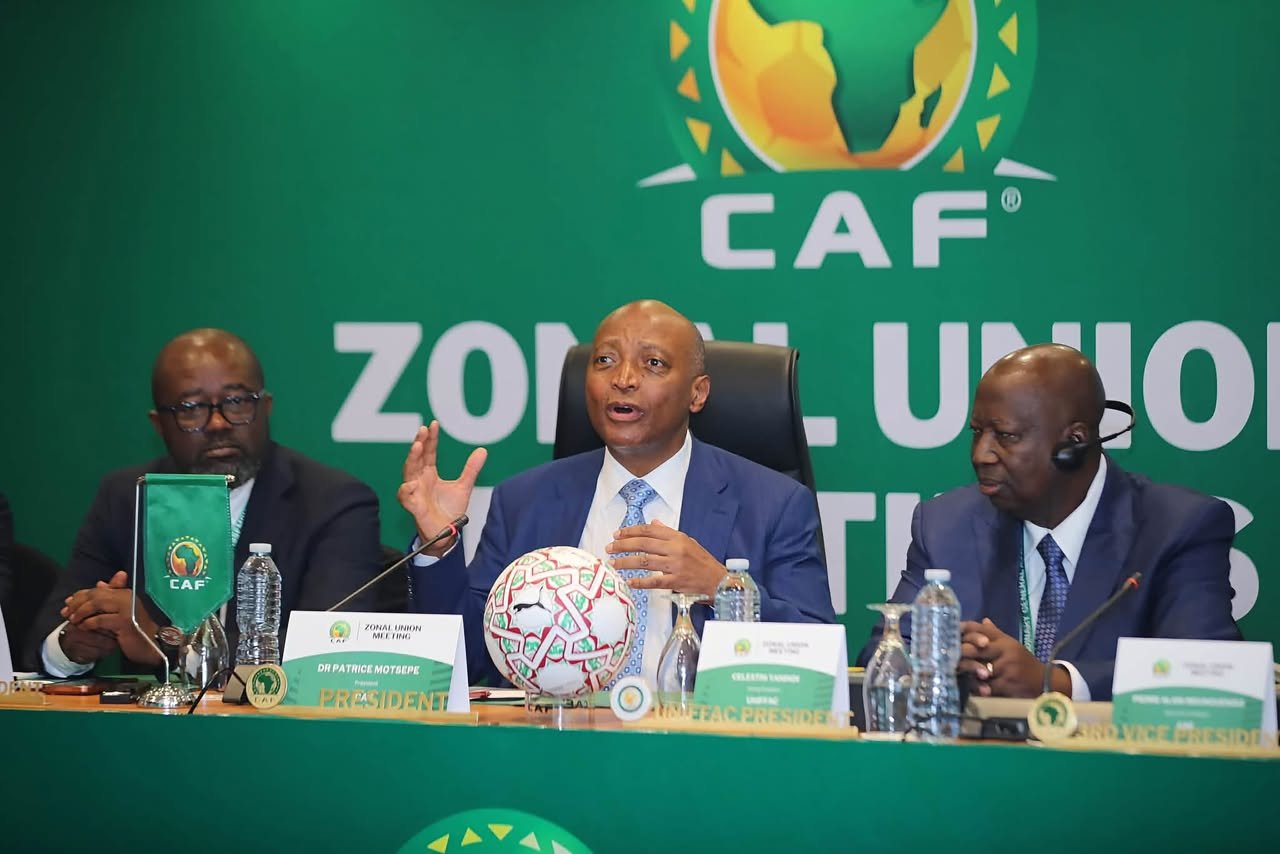
At its latest Executive Committee meeting in Abuja, CAF outlined the next stage of that ambition, with a fresh hosting process for the 2028 Women’s Africa Cup of Nations and a substantial increase in the tournament’s financial package.
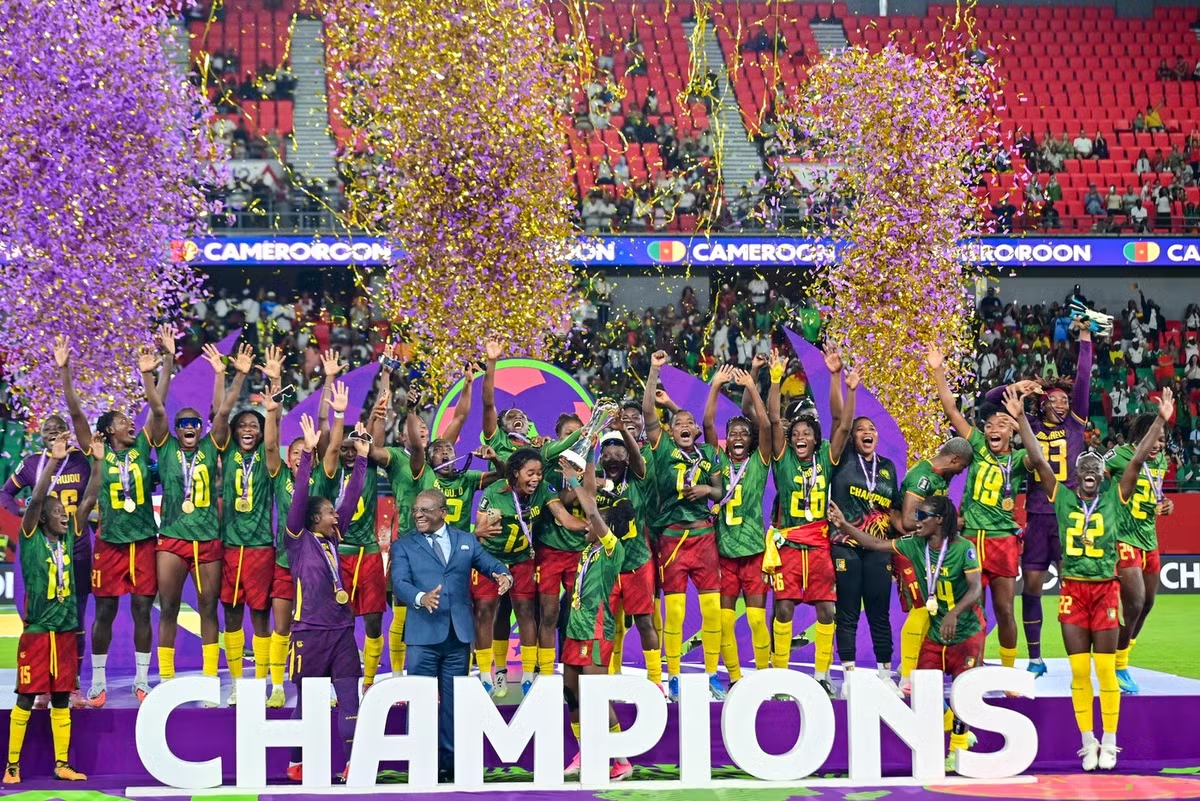
The financial changes have been substantial. CAF’s latest figures show that the WAFCON winners’ prize has increased from $200,000 in 2021 to $2 million for the 2026 edition, representing a 900 per cent rise.
The overall prize fund has also climbed from $975,000 to $5.8 million over the same period.
The 2026 tournament, which featured 16 national teams for the first time after its expansion from 12, also provided $150,000 in participation funding to each competing association.
The runners-up received $750,000, while the increased financial rewards extended beyond the eventual champions.
Those figures reflect a growing financial commitment to the women’s competition. They also give participating national associations greater financial incentives to invest in their teams and prepare more effectively for continental tournaments.
The challenge goes beyond prize money
While the increased rewards represent progress, the long-term development of women’s football cannot depend on tournament prize money alone.
The wider challenge is to create an environment in which players can develop and compete throughout the year, rather than relying primarily on national-team tournaments for international exposure.
That requires sustained investment in domestic leagues, professional club structures, coaching, facilities, youth development and better playing conditions.
CAF’s expanded WAFCON provides a larger platform for national teams, but the benefits will depend partly on how individual associations use the opportunities and resources available to them.
The Super Falcons’ history as the competition’s most successful team makes the tournament particularly important. The increased financial rewards also raise expectations about the country’s ability to maintain its position among Africa’s leading women’s football nations.
WAFCON 2028 hosting race begins
Alongside the financial developments, CAF’s Executive Committee has approved the opening of the bidding process for the hosting rights to the 2028 Women’s Africa Cup of Nations.
Interested member associations have three weeks to submit their bids to the CAF Secretariat.
The tournament is scheduled to take place in March and April 2028, with qualifying matches expected to begin in April 2027.
The hosting process will determine which country or countries get the opportunity to stage the next edition of the competition, following Morocco’s hosting of the 2026 tournament.




































Pingback: CAF president addresses Morocco–Senegal dispute as CAS ruling approaches - The Athletic NG