
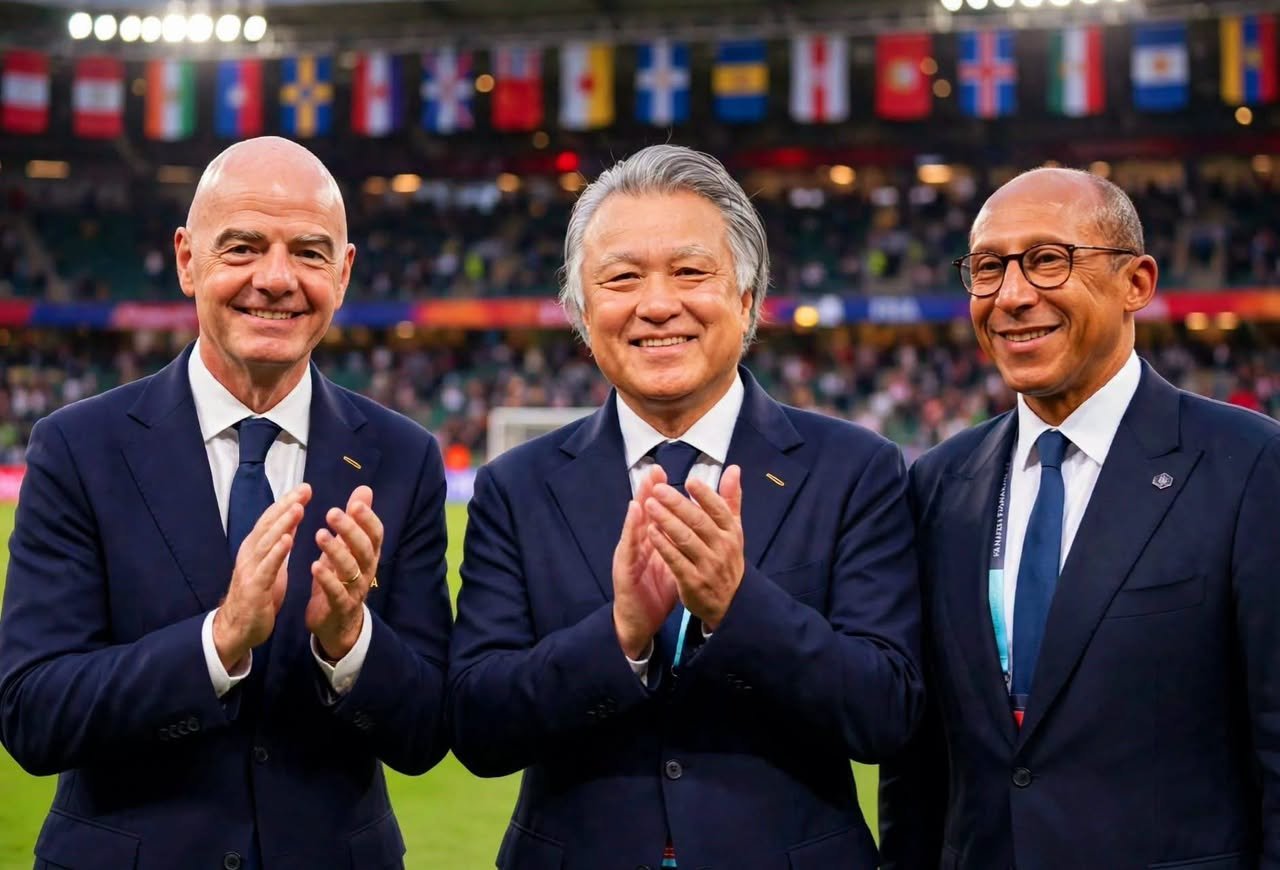
The race for control of world football’s governing body is entering a new phase, with the next presidential election beginning to take shape ahead of the 2027 FIFA Congress.
Beyond the names being put forward, the contest is expected to test the relationships between FIFA’s six continental confederations and the national associations that ultimately decide who leads the organisation.
FIFA has now confirmed that three nominations were submitted before the deadline, setting up a potential contest involving the incumbent and two challengers.
The election will take place on March 18, 2027, during the 77th FIFA Congress in Rabat, Morocco. However, the nominations are still subject to examination by FIFA’s Electoral Committee, with the final list of proposed and admitted candidates due to be communicated to member associations by February 18, 2027.
The three names in the presidential race
The candidates announced by FIFA, listed alphabetically by surname, are Philippe Diallo, Gianni Infantino and Kohzo Tashima.
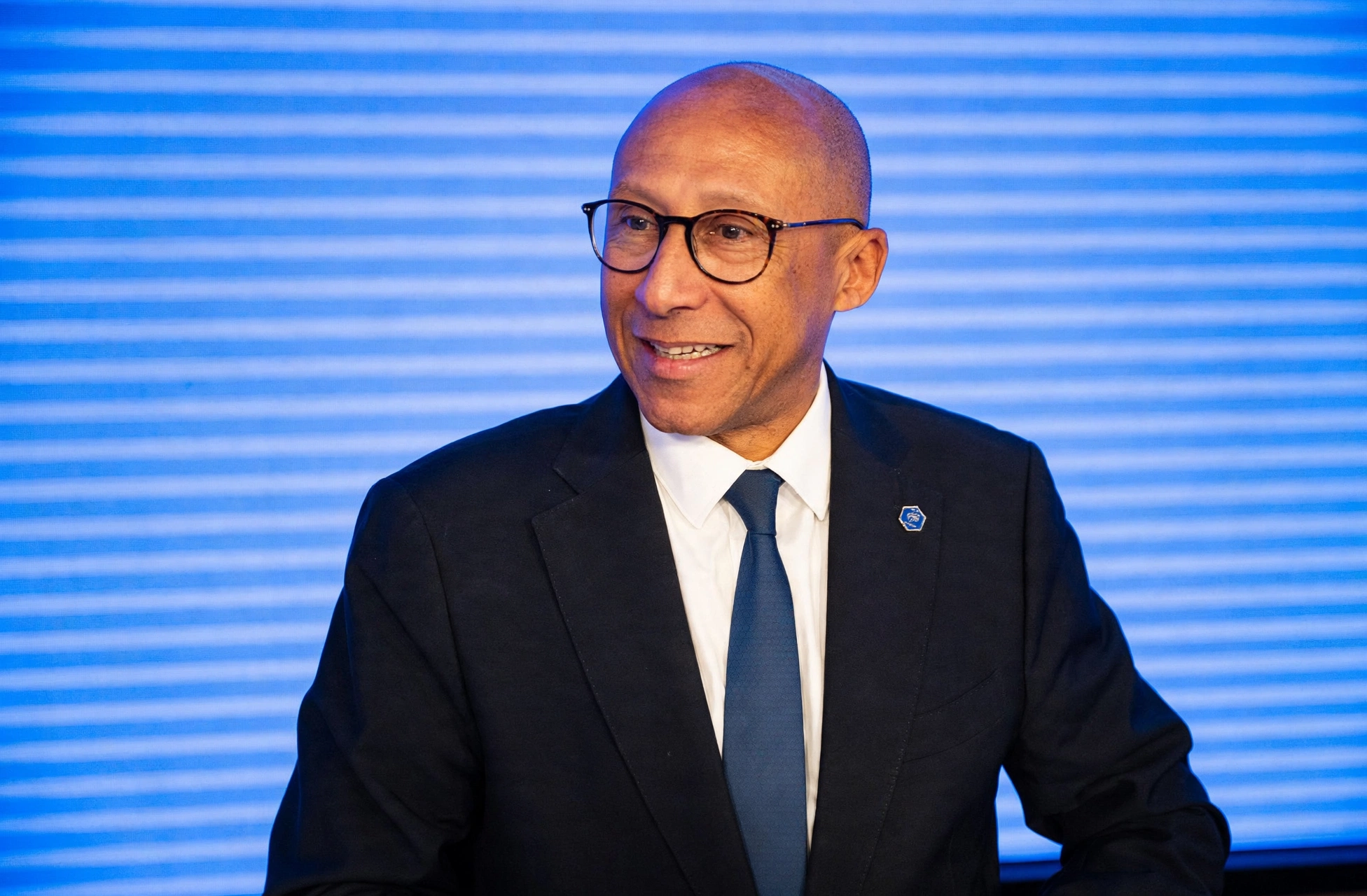
Philippe Diallo – France. Photocredit: Getty Images
63 | French Football Federation president
Diallo has led the FFF since 2023 and is a member of UEFA’s Executive Committee. He previously headed the organisation representing French professional football clubs for almost three decades and served within FIFA’s dispute-resolution structures.
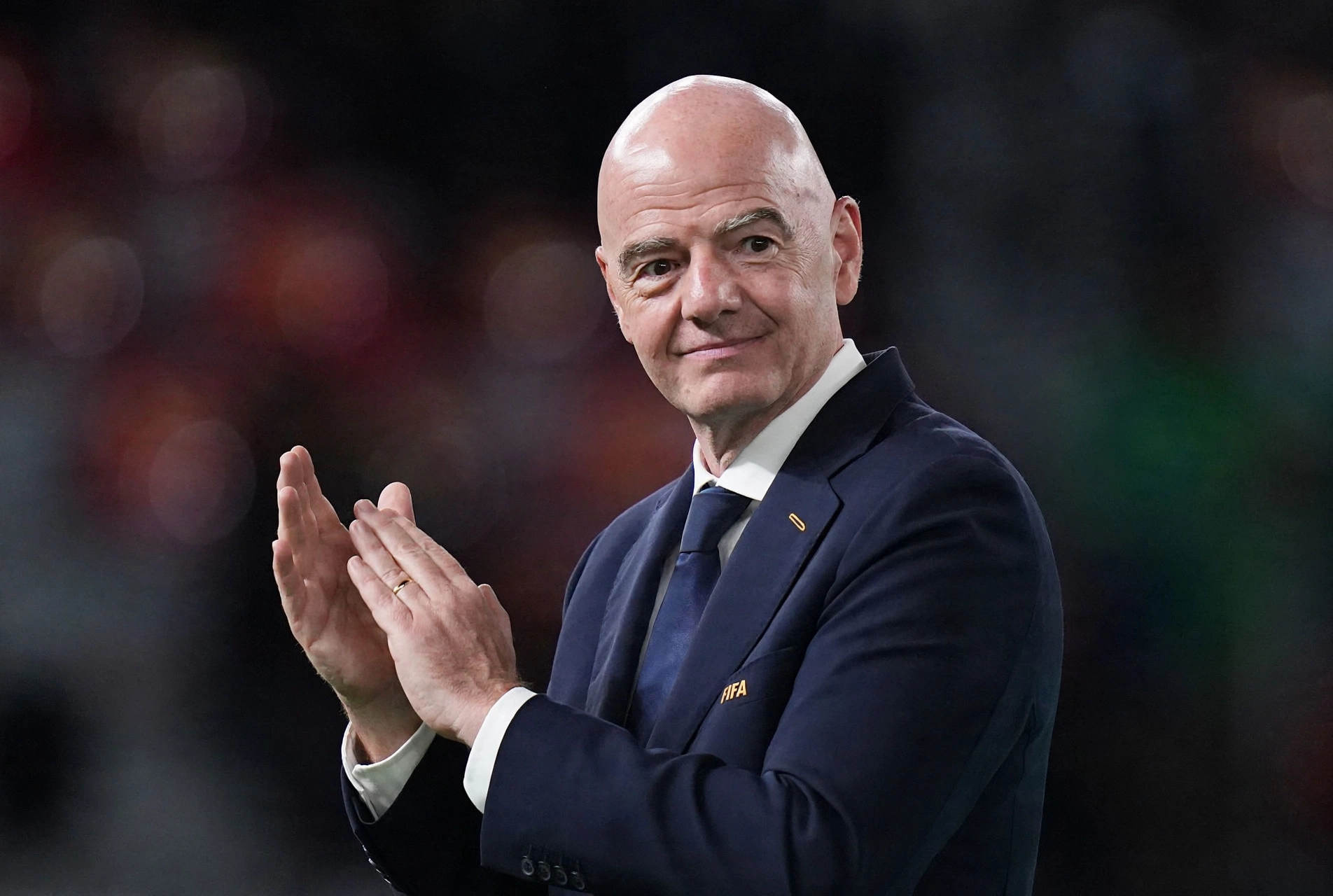
Gianni Infantino – Switzerland. Photocredit: Getty Images
56 | FIFA president
Infantino has led FIFA since February 2016. A qualified lawyer, he previously spent 16 years at UEFA, including more than six years as general secretary. He was re-elected in 2019 and 2023 and is seeking another mandate.
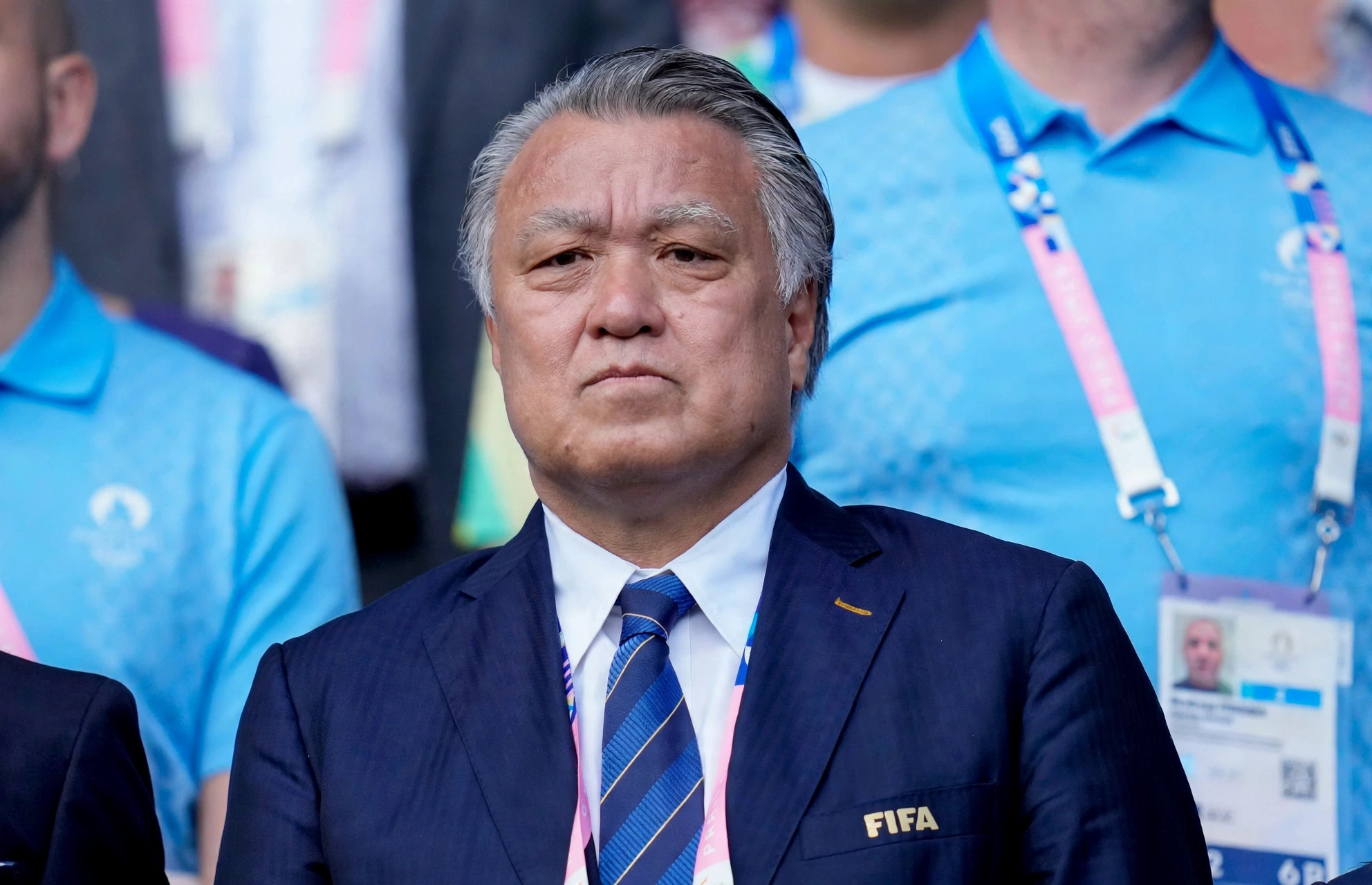
Kohzo Tashima – Japan. Photocredit: Getty Images
68 | Japan Football Association honorary president
A former Japan international and youth coach, Tashima served as JFA president from 2016 to 2024. He has been a member of the FIFA Council since 2016 and previously served on the Asian Football Confederation’s Executive Committee.
The announcement means Infantino will face opposition in the presidential election for the first time since his unchallenged re-election in 2023. Former Switzerland international Ramon Vega, who had also expressed an intention to contest the position, was not included in FIFA’s list of three nominations.
Who is backing the candidates?
The support being assembled around the three nominees could become one of the defining aspects of the election.
Diallo has emerged as UEFA’s chosen candidate after European football’s governing body sought an alternative to Infantino.
At a meeting chaired by UEFA president Aleksander Ceferin on November 16, national associations represented on UEFA’s Executive Committee and the FIFA Council unanimously pledged their support for the French football chief.
The German Football Association (DFB) subsequently confirmed its backing, with president Bernd Neuendorf publicly endorsing Diallo. The Royal Netherlands Football Association (KNVB) has also announced its support, while the French Football Federation is the association behind his candidacy.
Morocco, Regragui and Lopetegui: What is unfolding behind Qatar’s next coaching decision? – The Athletic NG
Diallo’s support is rooted in calls for changes to FIFA’s leadership and governance. UEFA said the European associations wanted renewed unity and trust in world football, with greater attention to development across all regions and closer cooperation with member associations.
Tashima, meanwhile, has secured the minimum backing required to enter the election. The Japanese football administrator confirmed that five national federations supported his nomination, but he has not publicly identified the associations involved.
The Japan Football Association formally submitted his nomination on November 17 after unanimously approving his candidacy at its Executive Committee meeting on November 5. Tashima has also indicated that he wants to prioritise governance and transparency if elected.
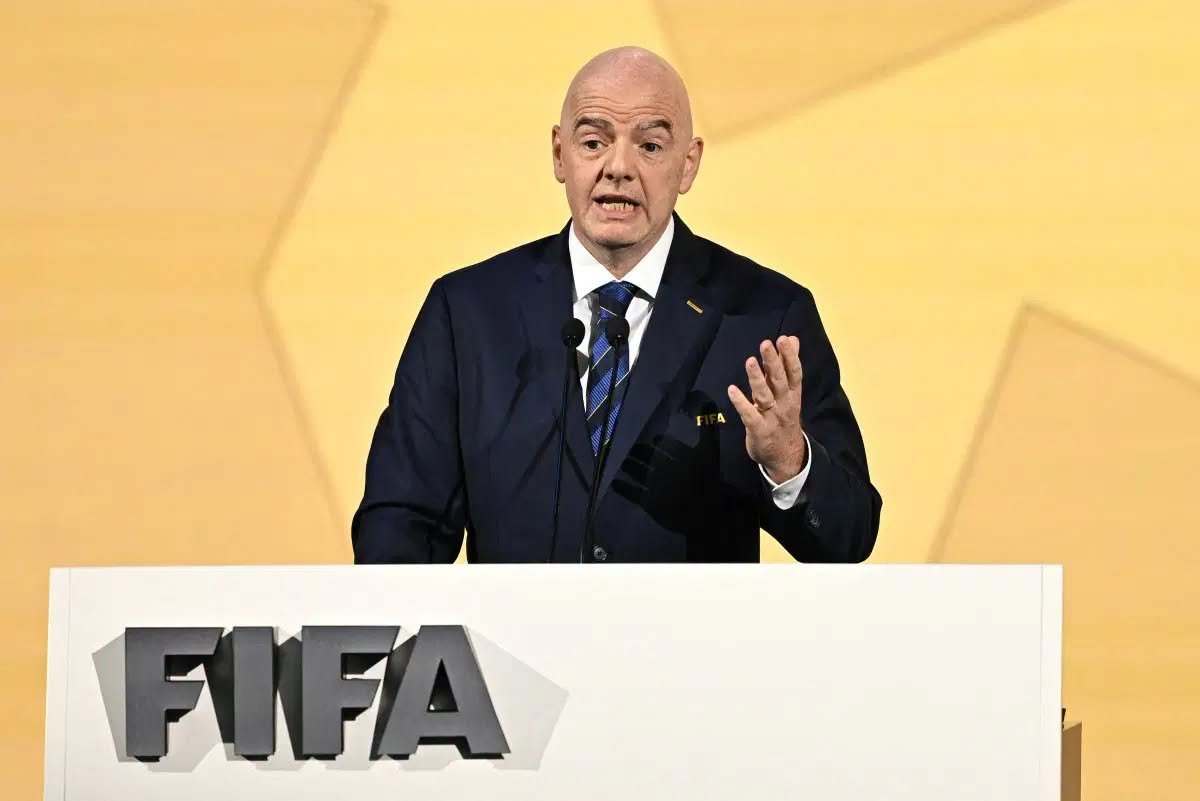
FIFA president Gianni Infantino
Infantino enters the contest with support from several powerful football blocs.
In October, Confederation of African Football president Patrice Motsepe announced that all 54 African member associations had unanimously backed the incumbent’s re-election bid. The South American confederation, CONMEBOL, has also endorsed him, with all 10 of its member associations reported to be behind his candidacy.
The Asian Football Confederation has separately reaffirmed its support for Infantino, despite having initially joined criticism of his proposed commercial investment plan.
However, these endorsements should not automatically be treated as guaranteed votes. FIFA’s presidential election is conducted by secret ballot, and each national association has an individual vote. The position of a confederation does not legally prevent one of its members from voting differently.
Why Infantino is facing opposition
The growing challenge to Infantino is linked to concerns about the direction and governance of FIFA.
The biggest source of tension emerged in July 2026, when reports revealed plans for a proposed FIFA commercial entity that would involve private investors acquiring stakes in the commercial rights to major competitions, including the World Cup.
The proposal triggered strong opposition from several football administrators, particularly in Europe. UEFA and other associations questioned the transparency and consultation surrounding the plan, which was subsequently abandoned following the backlash.
Infantino later apologised to the FIFA Council over the way the proposal had been handled. The controversy nevertheless contributed to the withdrawal of support from several European associations and created an opening for an alternative candidate.
There has also been discussion over Infantino’s eligibility to seek another term.
FIFA’s statutes limit a president to three terms, but the organisation’s Council previously determined that Infantino’s initial 2016–2019 period should not count towards that limit because it was a partial mandate following Sepp Blatter’s departure.
That interpretation has allowed him to seek another term. However, the decision has attracted criticism from governance campaigners, who argue that the initial period should count.
How the FIFA presidential election works
Unlike many national elections, FIFA’s presidential contest is decided by the governing body’s 211 member associations, with every association entitled to one vote, regardless of the country’s size or footballing influence.
The votes are distributed across the six continental confederations as follows:
| Confederation | Member associations | Votes |
|---|---|---|
| UEFA – Europe | 55 | 55 |
| CAF – Africa | 54 | 54 |
| AFC – Asia | 46 | 46 |
| CONCACAF – North and Central America and Caribbean | 35 | 35 |
| OFC – Oceania | 11 | 11 |
| CONMEBOL – South America | 10 | 10 |
| Total | 211 | 211 |
Candidates must receive nominations from at least five FIFA member associations and demonstrate that they have played an active role in football for at least two of the previous five years. They must also pass FIFA’s eligibility and integrity checks.
The voting process is conducted by secret ballot, with the required majority depending on the number of candidates.
-
If there is only one candidate: Congress may elect the person by acclamation.
-
If there are two candidates: A simple majority of more than 50 per cent of valid votes cast is required.
-
If there are three or more candidates: A two-thirds majority of member associations present and eligible to vote is required in the first ballot.
If nobody reaches the required two-thirds threshold in the first round, the candidate with the fewest votes is eliminated in subsequent ballots. The process continues until only two candidates remain, after which a simple majority decides the winner.
This means that if all three nominations are admitted, the first ballot could require a significantly higher threshold than the eventual head-to-head vote. It also makes the possibility of candidates coordinating their positions an important part of the campaign.
Could the challengers join forces?
The possibility of a united challenge has already entered the conversation.
Diallo has indicated that he would reach out to Tashima to discuss bringing their efforts together, amid concerns that two challengers could divide the votes of associations seeking a change in FIFA’s leadership.
Tashima confirmed that he had not yet held direct discussions with the French candidate, although he acknowledged having spoken indirectly with people around him.
The Japanese administrator said he wanted to consider his campaign strategy and manifesto before deciding how to proceed.
Any agreement between the challengers could alter the shape of the contest, but neither has announced a decision to withdraw or combine their campaigns.
What happens next?
FIFA’s Electoral Committee will examine the three nominations and determine whether the proposed candidates meet the requirements to contest the presidency.
The governing body is expected to notify its member associations of the proposed and admitted candidates by February 18, 2027, ahead of the Congress in Rabat on March 18.
Until then, the focus will remain on eligibility checks, campaign discussions and the alliances being assembled across the six confederations.
With 211 associations holding equal voting rights, the eventual outcome will depend not only on the endorsements announced publicly but also on how individual federations cast their ballots when FIFA’s members gather in Morocco.























Pingback: Shocking: Mykhailo Mudryk reveals source of his doping nightmare - The Athletic NG
Pingback: Super Eagles star Raphael Onyedika reveals biggest challenge of playing in Germany - The Athletic NG