The football world is mourning the loss of one of its greatest defenders after AC Milan and Italy legend Franco Baresi died at the age of 66.
His passing marks the end of an extraordinary journey that began with personal tragedy but evolved into one of the most inspiring stories in football history, a career built on loyalty, resilience and excellence that made him the heartbeat of AC Milan for two decades and one of the defining figures of Italian football.
Confirming the news on Friday, AC Milan paid tribute to the man whose influence stretched far beyond the trophies he lifted.
“The entire history of AC Milan is in tears following the passing of Franco Baresi. His example and integrity will be forever etched into the club’s DNA, just as his iconic number six shirt is,” the club said in a statement.
Baresi had continued serving Milan as honorary vice president after retirement. Last year, the club revealed he had undergone surgery to remove a pulmonary nodule before beginning recovery treatment under a cancer specialist.
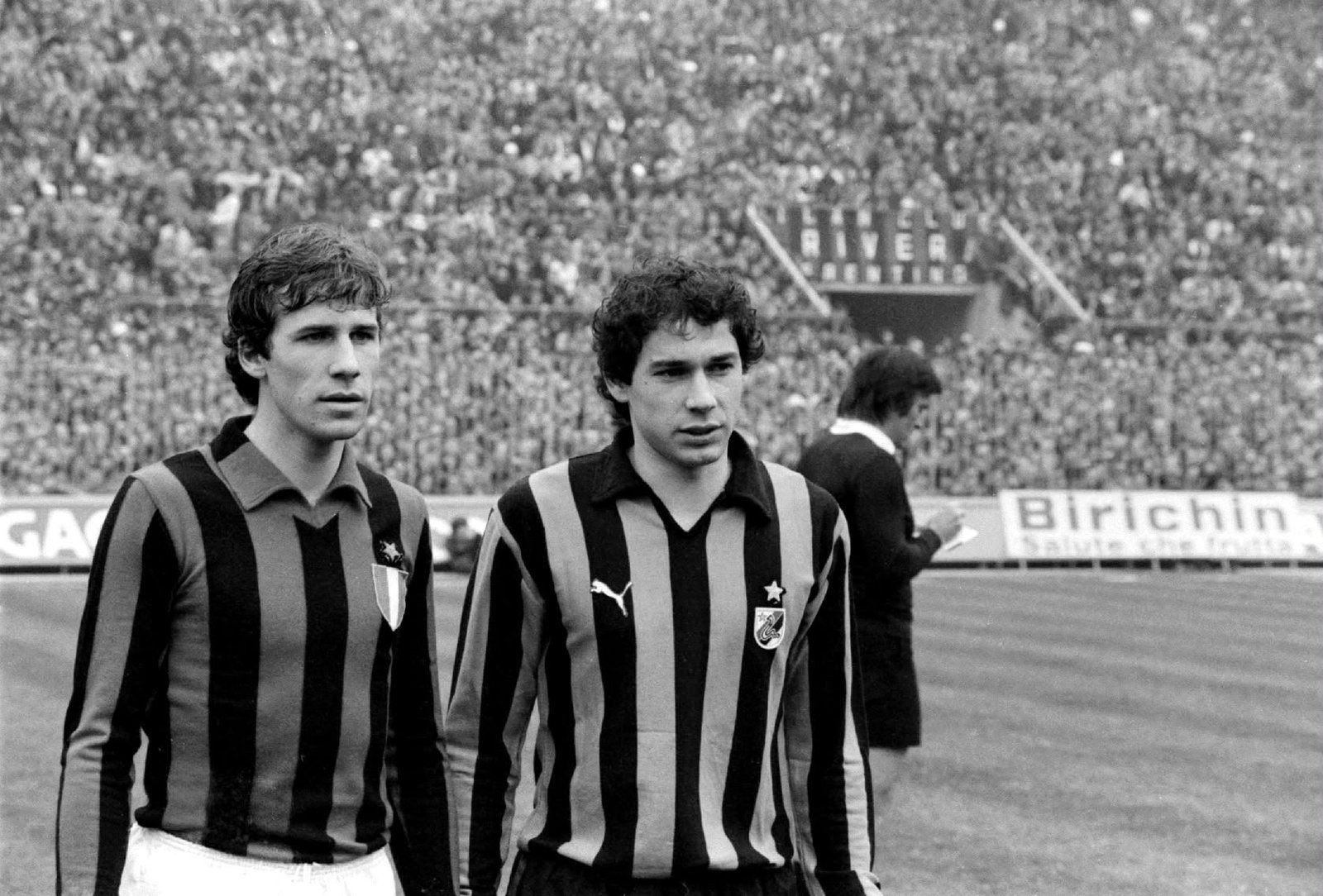
Even while battling health challenges, Baresi remained an active ambassador for Italian football. Earlier this year, he carried the Olympic flame during the opening ceremony of the Milano Cortina Winter Games alongside former Italy and Inter defender Giuseppe Bergomi, his long time rival on the pitch.
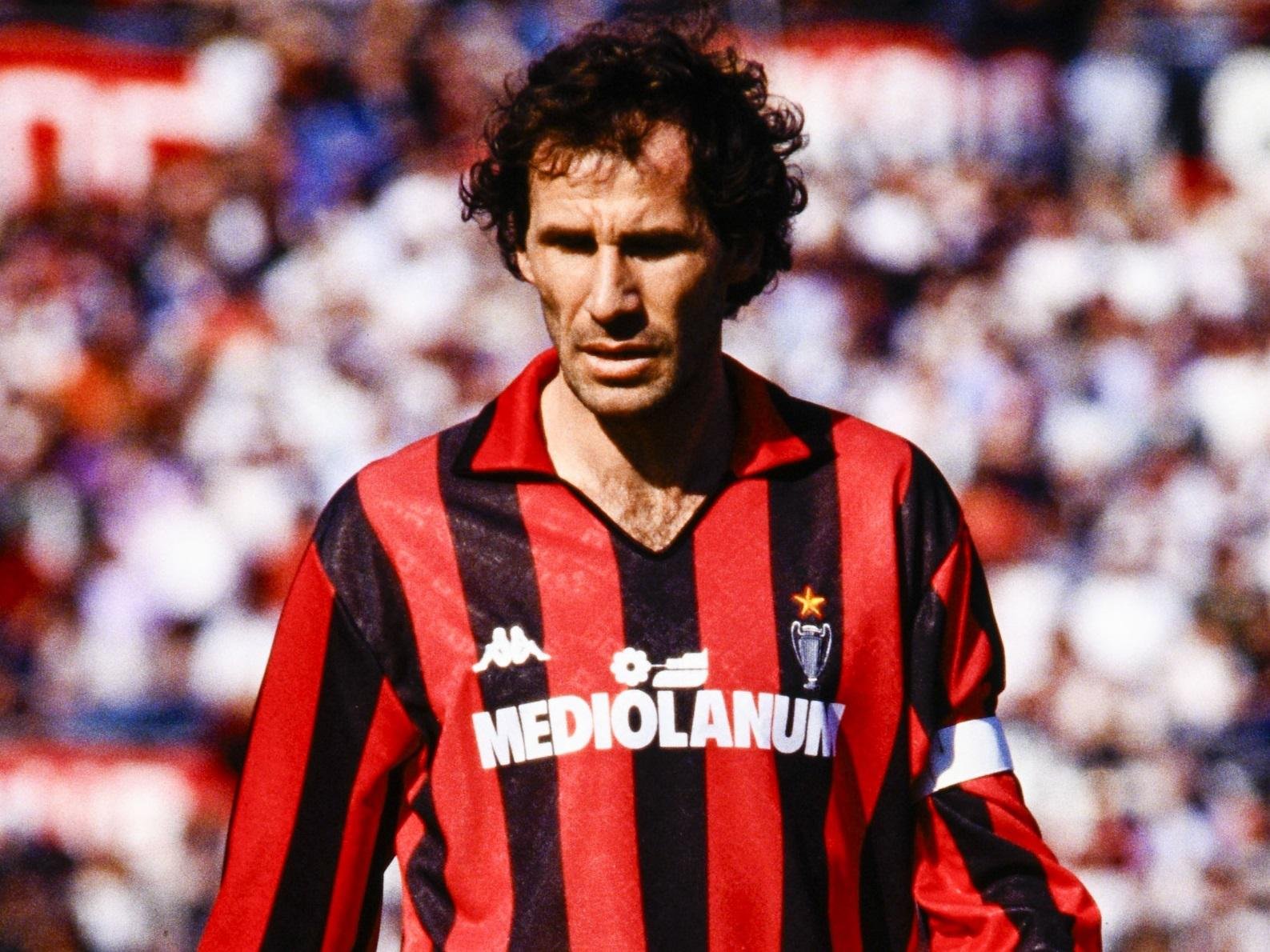
Franco Baresi spent his entire 20-year professional career at AC Milan despite the club suffering two relegations to Serie B. His loyalty was later rewarded when Milan became Europe’s dominant force and retired his iconic No. 6 shirt the first retirement of a shirt number in the club’s history. Photocredit: Getty Images
Long before he became a football icon, Baresi endured unimaginable hardship.
Raised in Travagliato, he lost both parents at just 14 years old. Football became both an escape and a purpose, following the path of his older brother, Beppe.
Ironically, the club he supported as a boy Inter Milan rejected him. That disappointment proved to be football’s gain.
Thanks to a recommendation from Milan executive Guido Settembrino, Baresi joined the Rossoneri youth academy in 1974, beginning a relationship that would last his entire professional career.
His breakthrough came in 1978 when legendary coach Nils Liedholm handed him his Serie A debut. Within a season, the composed young defender had become an integral member of Milan’s Scudetto-winning side and earned the admiration of club legend Gianni Rivera.
At just 22 years old, Baresi inherited Milan’s captain’s armband, beginning a leadership spell that would define an era.
READMORE: ‘Meditate, pray or watch football’ – Infantino hits back at FIFA critics after World Cup
Baresi’s greatness was measured not only by his success but also by his unwavering loyalty. he remained with Milan through two relegations to Serie B first following the Totonero scandal and then again in 1982 helping guide the club back to the top flight on both occasions.
During those difficult years, he also battled a serious illness that kept him out of action for several months.
Despite attracting interest from other clubs, Baresi refused to abandon Milan, choosing instead to help rebuild the institution that had given him his chance.
Baresi partnership with Paolo Maldini, Alessandro Costacurta and Mauro Tassotti helped produce AC Milan’s famous 58-match unbeaten Serie A run, earning the side the nickname “Gli Invincibili.” Photocredit: Getty Images
The arrival of Silvio Berlusconi as club owner in 1986 transformed Milan’s fortunes, while Arrigo Sacchi’s appointment a year later ushered in one of football’s greatest revolutions.
With Baresi leading from the back and stars such as Ruud Gullit, Marco van Basten and later Frank Rijkaard arriving at San Siro, Milan evolved into the dominant force in European football.
The Rossoneri captured the Serie A title in 1988 before conquering Europe with back-to-back European Cups in 1989 and 1990.
Baresi’s fierce battles with Diego Armando Maradona became defining moments of Italian football during that period. Their rivalry was built on mutual respect, with Maradona famously wearing Baresi’s shirt after one memorable Napoli-Milan encounter.
When Fabio Capello succeeded Sacchi, Milan’s dominance continued.
The club added four more Serie A titles and lifted the 1994 UEFA Champions League trophy, while Baresi remained the undisputed leader of a side that many still regard as one of the finest club teams ever assembled.
READMORE: No functional website, no licence: NPFL issues fresh warning to clubs
In an era dominated by uncompromising man-markers, Baresi transformed perceptions of defending.
His exceptional reading of the game, positional intelligence and composure in possession allowed him to redefine the sweeper role, proving that defenders could dictate attacks as effectively as they prevented them.
Alongside Paolo Maldini, Alessandro Costacurta and Mauro Tassotti, he marshalled one of football’s greatest defensive units.
Their disciplined high line and perfectly executed offside trap became Milan’s trademark, helping Fabio Capello’s side embark on a remarkable 58-match unbeaten run in Serie A and earning them the famous nickname “Gli Invincibili” The Invincibles.
Across 20 years with Milan, Baresi won six Serie A titles, three European Cups and captained the club for 15 seasons.
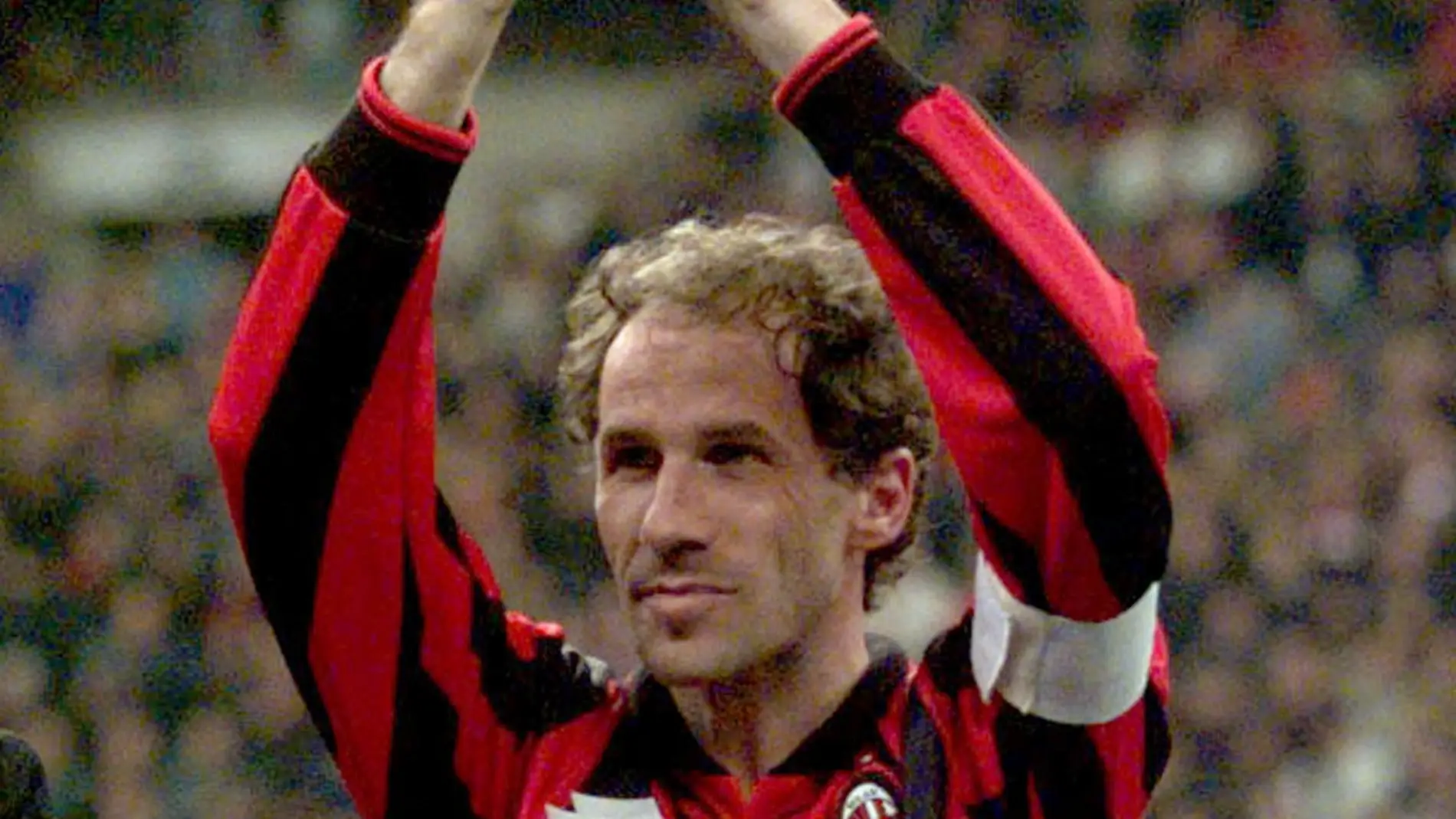
When he retired in 1997, Milan permanently retired his iconic number six shirt the first player in the club’s history to receive such an honour.
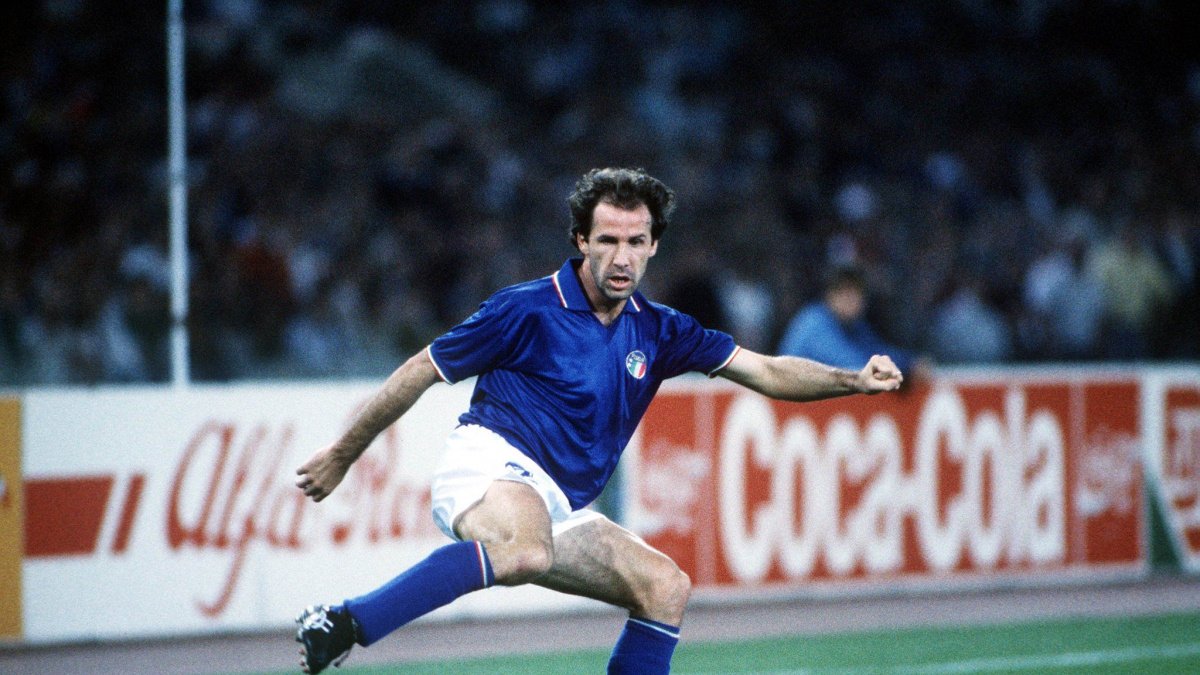
Baresi played all 120 minutes of the 1994 FIFA World Cup final just 25 days after undergoing knee surgery for a meniscus injury. Although Italy lost to Brazil on penalties, his performance remains one of the most courageous displays ever seen in a World Cup final. Photocredit: Getty Images
Baresi also left an unforgettable mark with the Italian national team. he was part of the squad that won the 1982 FIFA World Cup before eventually earning 81 international caps.
After stepping away from the national team in 1992, he answered Arrigo Sacchi’s call to return for the 1994 World Cup in the United States.
That tournament produced one of the defining images of his career. Just 25 days after suffering a meniscus injury that required knee surgery, Baresi recovered in time to captain Italy in the World Cup final against Brazil.
He completed all 120 minutes in Pasadena in a courageous defensive masterclass before becoming the first Italian to miss in the penalty shootout that handed Brazil the trophy.
Although the final ended in heartbreak, his determination, resilience and leadership became lasting symbols of his greatness.
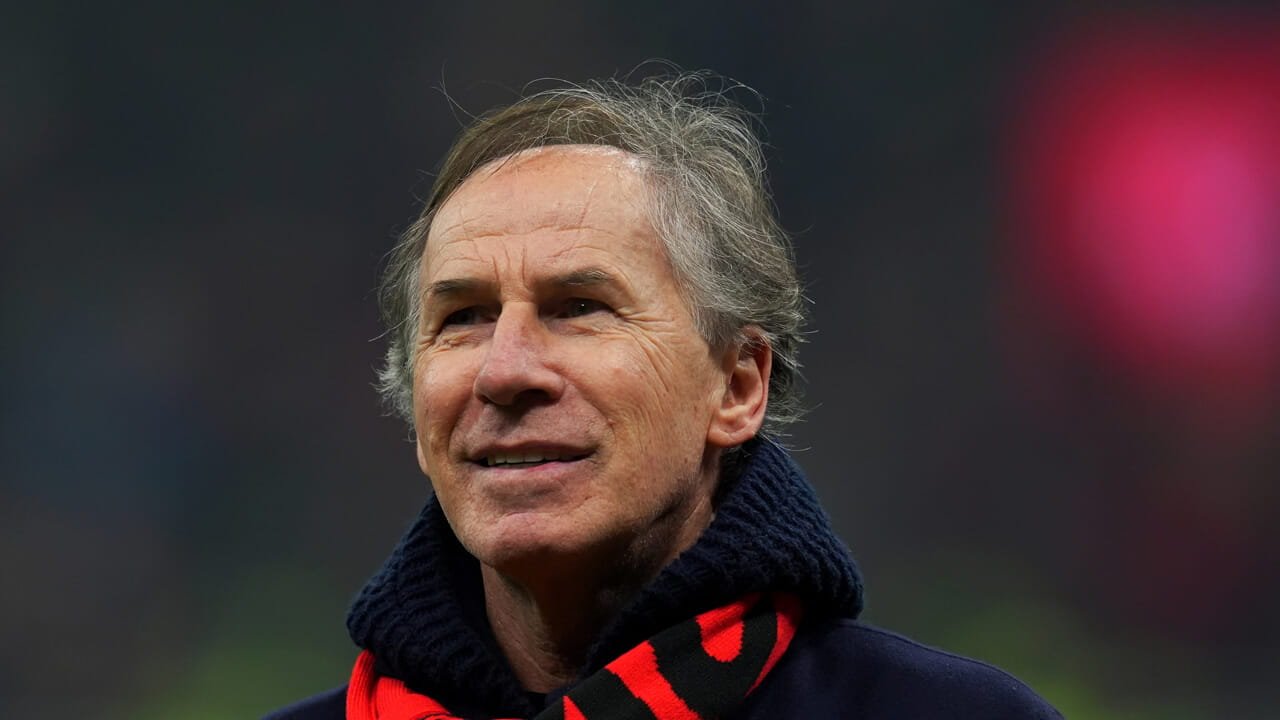
Despite spending his entire career on the opposite side of the Milan divide, Inter Milan described Franco Baresi as one of the players who shaped the history of the Milan Derby della Madonnina while extending their condolences to his family and AC Milan on X. Photocredit: Getty Images
Baresi celebrated one final Serie A title in 1996 before bringing the curtain down on an extraordinary one-club career at the end of the 1996-97 season.
When he announced his retirement in June 1997, football bid farewell to a player who had devoted every chapter of his professional life to AC Milan.
His achievements tell only part of the story. more enduring was the legacy he left behind a captain who never abandoned his club in its darkest moments, a defender who redefined his position, and a leader whose influence shaped one of the greatest teams the game has ever seen.
CLICK HERE TO JOIN ATHLETIC NG WHATSAPP CHANNEL NOW!