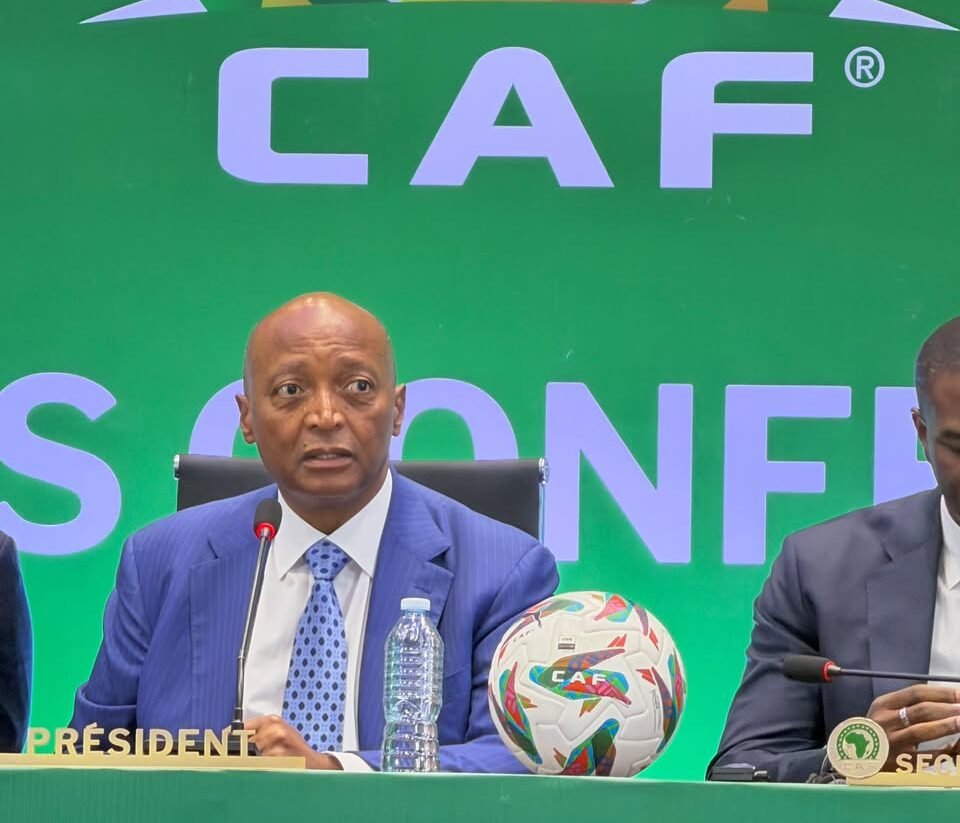
The Confederation of African Football (CAF) has announced a significant improvement in its financial position, offering a clearer picture of the transformation undertaken by the continental governing body over the past five years.
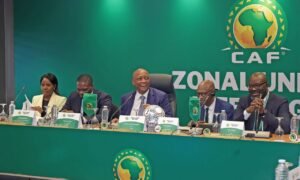
The figures released at the 48th CAF Ordinary General Assembly in Abuja on Saturday, November 21, point to a recovery that could reshape the organisation’s ability to support football development across Africa.
But beyond the headline numbers, an important question remains: how much of this progress can CAF maintain without relying heavily on the commercial success of its biggest competition?
From a financial crisis to a positive balance
CAF’s 2026 Annual Financial Statements show that the organisation recorded a net profit of $31.2 million for the financial year ending June 2026, with total revenue reaching $284 million.
The governing body said revenue had increased by more than 200 per cent, while its financial reserves moved from a deficit of $16.8 million to a positive balance of $14.4 million.
Its cash position also stood at $118.8 million at the end of June 2026.
The figures represent a considerable change from the situation five years earlier, when CAF was facing a financial crisis and had accumulated debt exceeding $100 million.
CAF attributed the improvement to a five-year turnaround strategy implemented under president Patrice Motsepe, who took charge of the organisation in March 2021.
The latest accounts therefore offer evidence of a substantial financial recovery. However, the figures also invite closer examination of the commercial activities behind the improvement.
READ MORE: NFF announces registration fees and penalties for 2027 President Federation Cup
One of the most significant contributors to CAF’s improved financial position was the 2025 Africa Cup of Nations in Morocco.
According to Reuters, the tournament generated more than $100 million for the organisation, supported by a record 23 commercial partners.
CAF had previously reported that the competition’s commercial revenue increased by more than 90 per cent, with the growth attributed to an expanded sponsorship portfolio, wider media-rights distribution and entry into new markets, particularly in Asia.
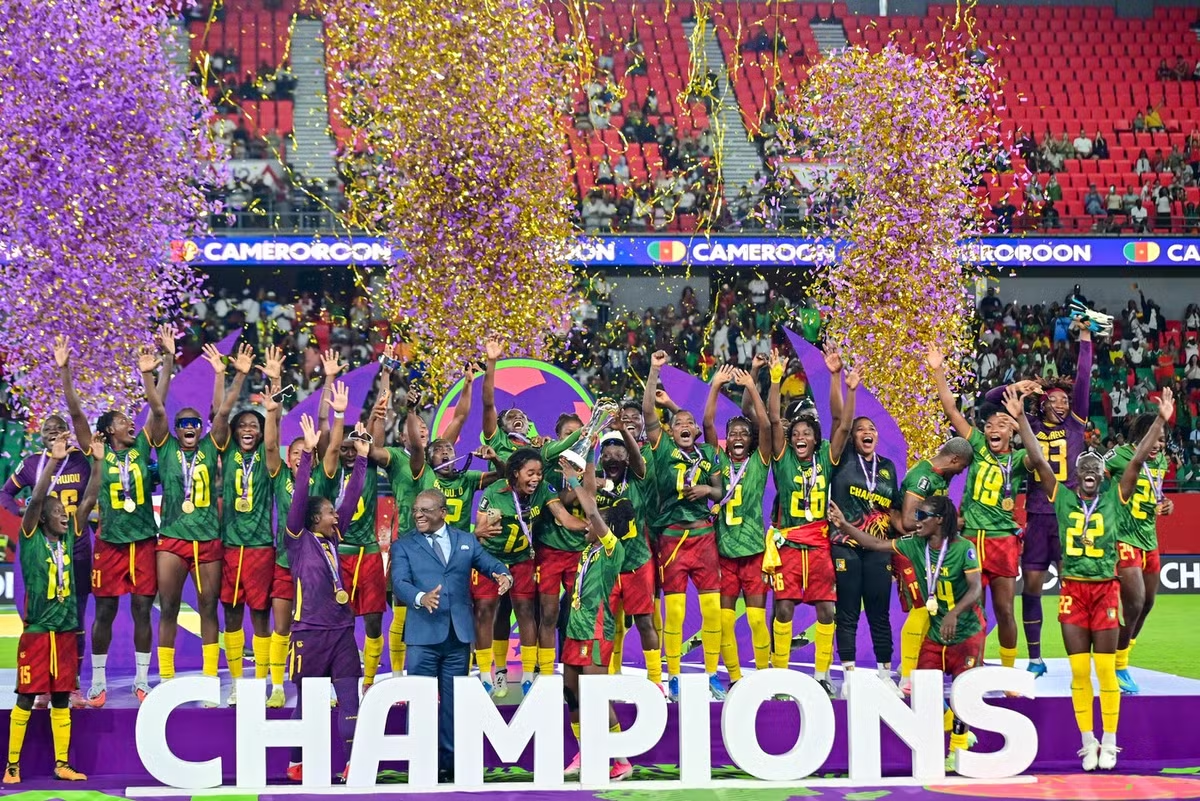
The number of commercial partners had increased from nine at the 2021 tournament in Cameroon to 17 at the 2023 edition in Côte d’Ivoire, before reaching 23 in Morocco.
That commercial expansion highlights the financial importance of AFCON to the continental governing body.
It also raises a longer-term consideration for CAF: whether the organisation can sustain its improved financial position through consistent commercial growth across its competitions, rather than depending disproportionately on revenue generated by the Africa Cup of Nations.
What the recovery means for CAF
The improved accounts provide CAF with greater financial capacity as it continues to fund football development across its 54 member associations.
The organisation has also presented its latest financial position as a stronger foundation for investment in the game across the continent.
Nevertheless, profitability in one financial year does not automatically guarantee long-term financial stability. CAF will need to maintain commercial growth, manage its expenditure and ensure that its improved resources translate into sustainable development.