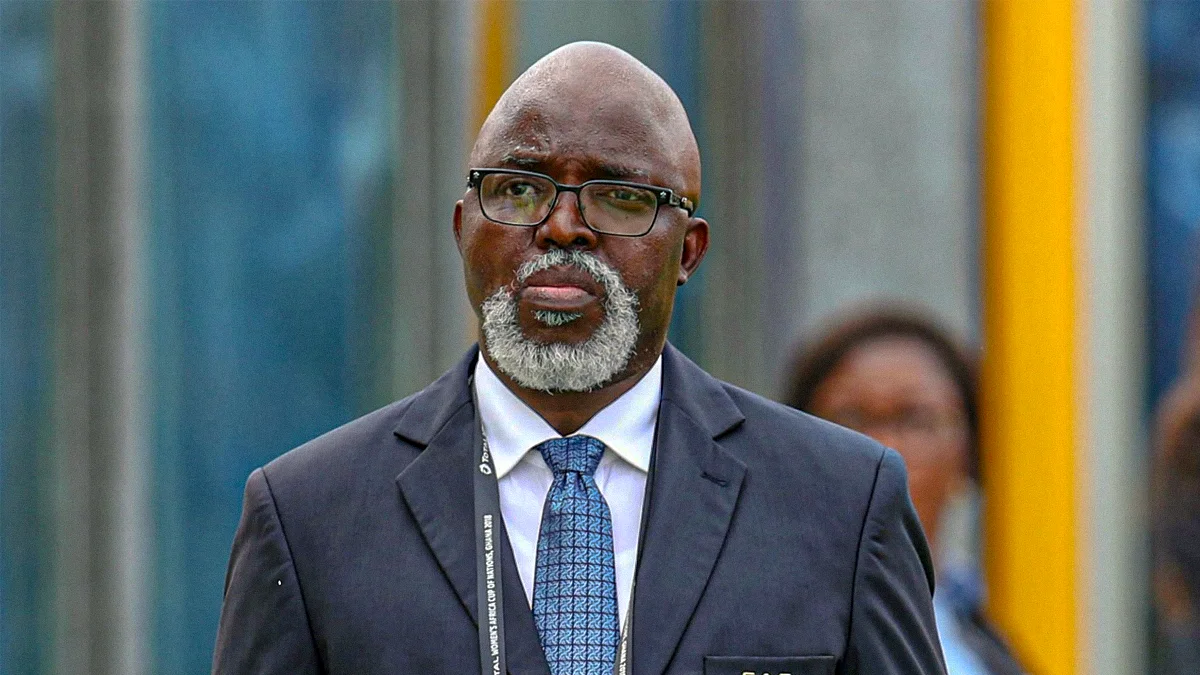
As European football closes ranks against FIFA’s controversial investment proposal, former Nigeria Football Federation (NFF) president Amaju Pinnick has emerged as one of its strongest supporters, arguing the initiative could reshape football financing across Africa.
The proposal, unveiled by FIFA president Gianni Infantino earlier this week, has triggered one of the biggest governance debates in world football after plans surfaced to establish FIFA Forward Enterprise (FFE), a commercial company that would oversee FIFA’s revenue-generating competitions, including the FIFA World Cup and FIFA Club World Cup.
While UEFA has unanimously rejected the proposal and threatened to boycott FIFA competitions if it proceeds, Pinnick believes the plan deserves to be judged on its potential benefits rather than the controversy surrounding it.
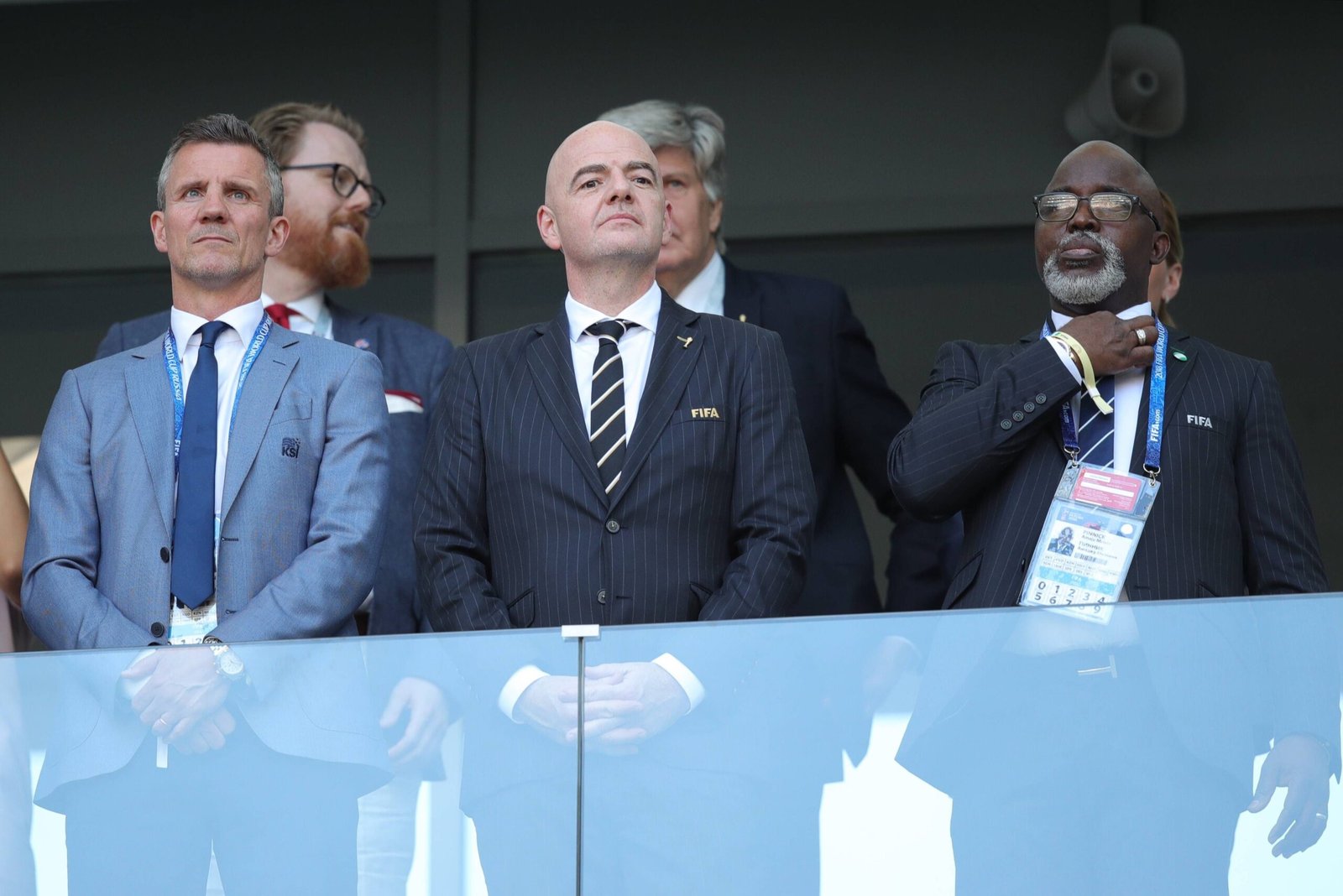
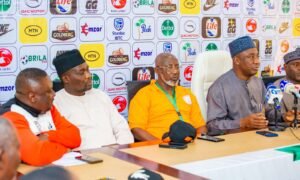
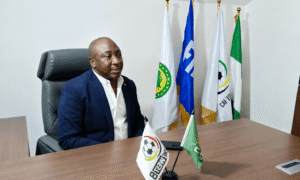
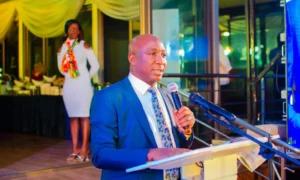
Pinnick now serves as Deputy Chairperson of FIFA’s Men’s National Teams Competitions Committee, one of the governing body’s key standing committees responsible for competitions including the FIFA World Cup, U-20 World Cup and U-17 World Cup. Photocredit: Imago
Speaking amid the growing backlash, Pinnick revealed he had not yet received official documentation on the proposal but expressed confidence that Infantino had thoroughly consulted key stakeholders before presenting it.
“First, I’ll say that I’m not totally equipped to speak on this issue. I’ve not seen any mails to that effect; I’ve seen it online, and I’ve spoken to some of my colleagues,” Pinnick said.
“But one thing I know is that Gianni does not just wake up and give a proposal he consults extensively.”
The former FIFA Council member, who currently serves as Deputy Chairperson of FIFA’s Men’s National Teams Competitions Committee, rejected suggestions that the proposal should automatically be viewed with suspicion.
“Gianni is all about the collective; it’s all about people. I’m not here defending him blindly; it is what I know.”
“He has a right to bring out a proposal. You can accept it or reject it. Don’t call everything a controversy.”
Why Pinnick believes Africa stands to benefit
Central to Pinnick’s defence is the financial impact the proposal could have on national football associations, particularly those that struggle to fund football development.
Under FIFA’s proposal, member associations would receive significantly increased funding through a new commercial structure backed by private investment.
Pinnick argued that such financial support could reduce the dependence of many African federations on government funding.
“The shareholders are the member associations Nigeria FA, Ghana FA, South African FA. These are the main beneficiaries,” he said.
“Once this is done, the member associations will receive $20 million.”
Drawing from his experience as NFF president, Pinnick recalled personally helping smaller football associations meet basic operational costs.
“When I was president, I funded some small countries personally from my own funds—$20,000, $30,000, $40,000 just so they could play football and honour their matches.”
He believes increased FIFA funding could transform that reality.
“If each member association has about $20 million, and there’s also what’s called the FIFA Forward programme where you can access another $20 million, if you have $40 million total, trust me, you don’t need the government to run football.”
That initial funding would be worth roughly ₦27.3 billion at current exchange rates for Nigeria.
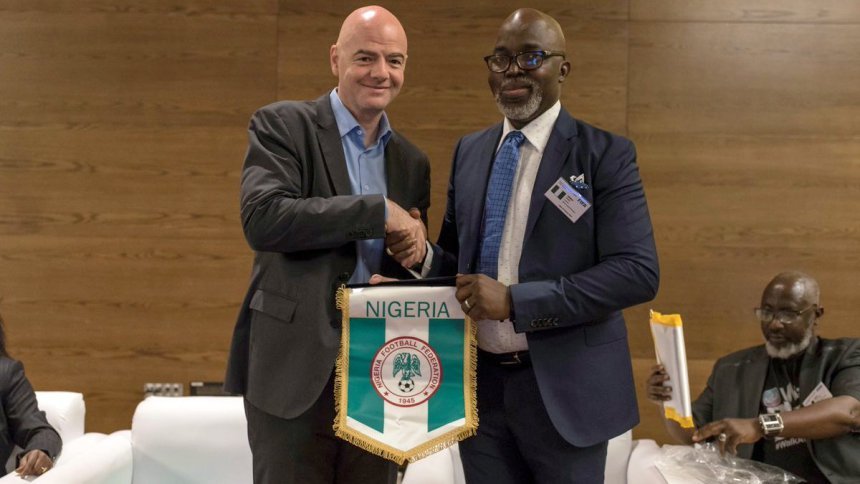
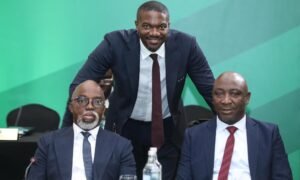
Pinnick became the first serving NFF president elected into the FIFA Council in 2021, a milestone that strengthened Nigeria’s influence within global football administration. Photocredit: Getty Images
Rather than opposing the proposal outright, Pinnick believes attention should focus on the integrity of the investment structure and how the money would be managed.
“What people should be bothered about is the integrity of the funds, the integrity of the personnel, the consortium or the company involved,” he said.
“Are these companies quoted on stock exchanges all over the world? These are things more people should be bothered about, alongside the disbursement and use of the funds.”
He also expressed confidence in FIFA’s oversight mechanisms, insisting there were safeguards to ensure accountability.
Europe remains firmly opposed to the idea
Pinnick’s comments stand in stark contrast to the position taken by UEFA and its 55 member associations.
The European governing body has unanimously rejected FIFA’s proposal, warning that allowing private investors to acquire ownership interests in FIFA competitions would fundamentally change the governance of world football.
UEFA insists the World Cup should never become an investment product and has threatened to withdraw all European national teams from FIFA competitions unless the proposal is abandoned.
CONCACAF has also rejected the initiative, citing concerns over transparency and governance, while other continental confederations are still considering their positions.
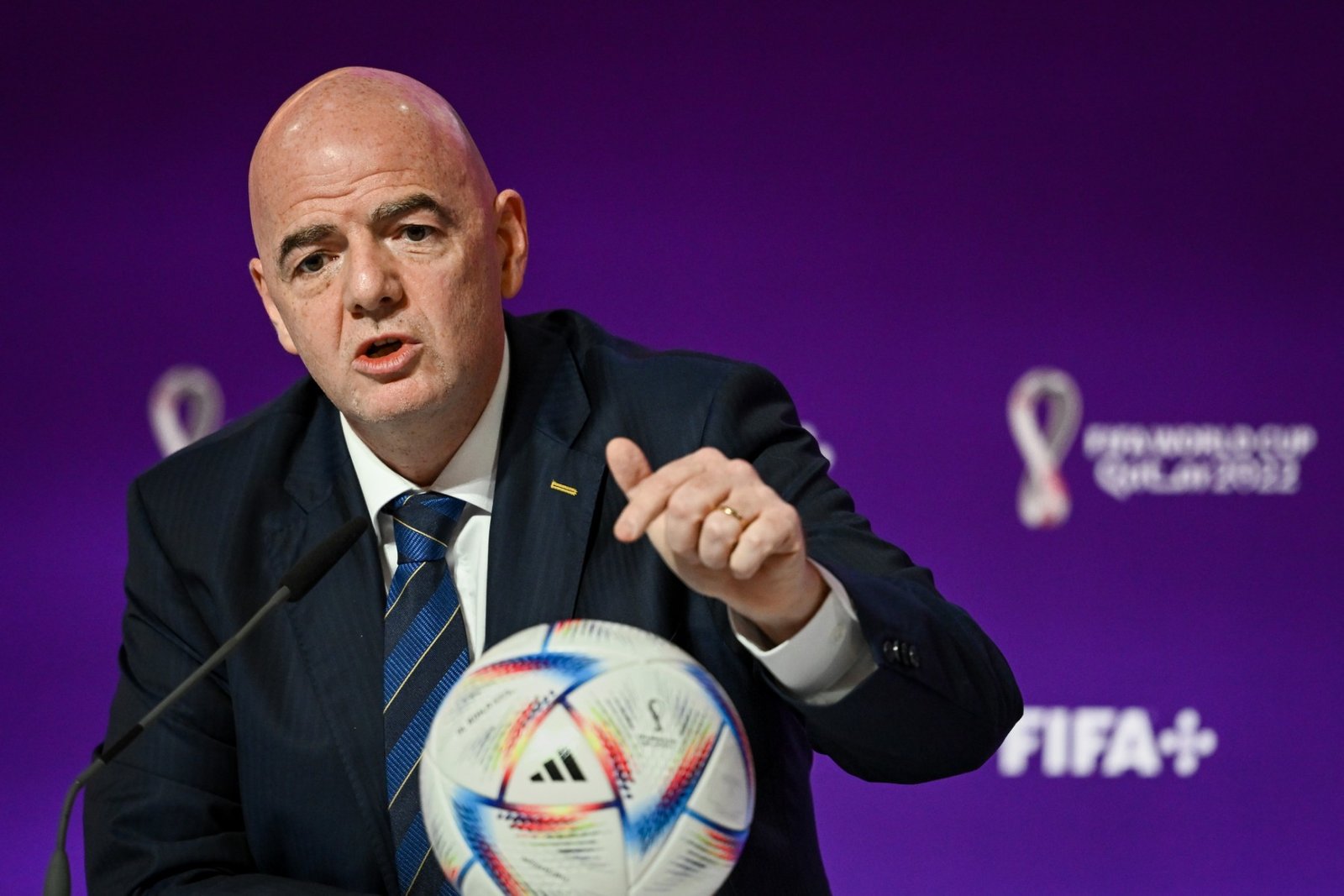
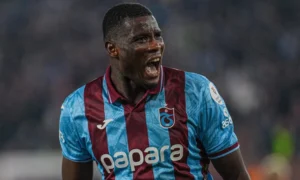
UEFA’s revolt comes after years of growing tension with FIFA over the international calendar, expanded competitions and governance. The proposed sale of commercial interests in FIFA tournaments has become the biggest flashpoint yet. Photocredit: Getty Images
According to reports, FIFA plans to retain majority ownership of FIFA Forward Enterprise while selling a minority stake to outside investors to unlock billions of dollars in new funding for football development worldwide.
The proposal has divided opinion across global football. supporters view it as an opportunity to secure unprecedented financial resources for national associations, particularly in developing football nations.
Critics, however, argue that introducing private investors into FIFA’s flagship competitions could place commercial interests ahead of the game’s long-term future.
CLICK HERE TO JOIN ATHLETIC NG WHATSAPP CHANNEL NOW!
All 211 FIFA member associations have until September 19 to vote on the proposal, with the outcome likely to shape the future governance and financing of world football for decades to come.