When Tunisia turned to Herve Renard in the middle of the FIFA World Cup, the decision carried a familiar message. If anyone could save a struggling African side on the biggest stage, it was supposed to be him.
But even Renard could not stop Tunisia’s downward spiral. Five days later, Tunisia were out of the tournament.
The Frenchman had built his reputation on doing exactly that. He won the Africa Cup of Nations with Zambia in 2012, repeated the feat with Ivory Coast in 2015, led Morocco back to the World Cup and masterminded Saudi Arabia’s famous victory over eventual champions Argentina in Qatar four years ago.
The Tunisian Football Federation believed one of Africa’s most decorated coaches could halt the slide after a humiliating 5-1 defeat to Sweden in their opening Group F match.
A crushing 4-0 defeat to Japan confirmed the Eagles of Carthage’s elimination with one game still to play, leaving Renard facing the same reality that confronted his predecessor Sabri Lamouchi.
The change in coach had changed little. two matches, two defeats and nine goals conceded have left Tunisia with the worst defensive record at the tournament so far, a startling collapse for a team that entered the World Cup carrying one of the strongest qualifying records in Africa.
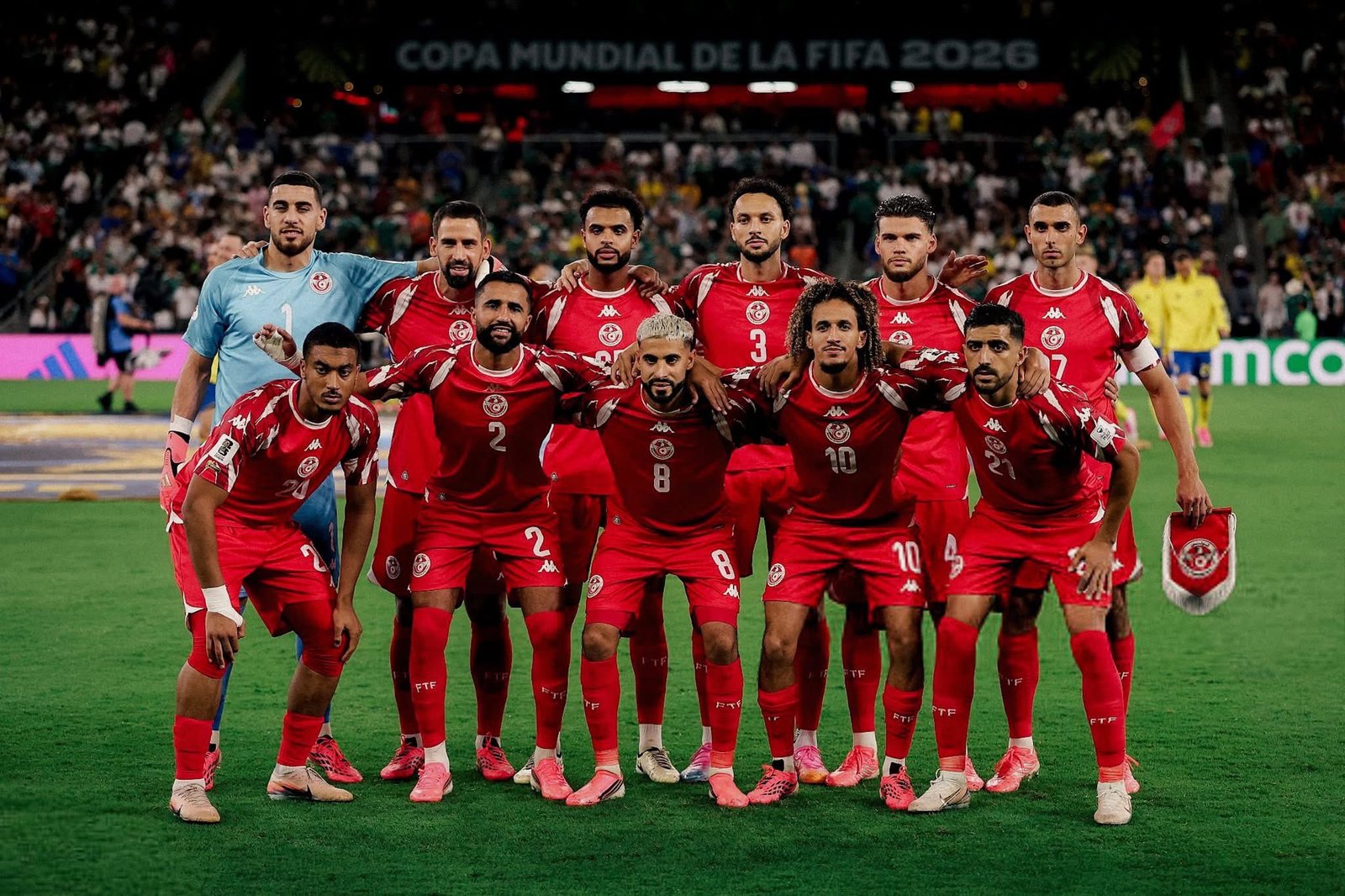
Herve Renard arrived to rescue Tunisia’s World Cup campaign, but defeats to Japan and Sweden exposed deeper issues involving instability, federation decisions and long-standing structural problems in Tunisian football.
From defensive wall to defensive collapse
The contrast is extraordinary. Tunisia reached the World Cup unbeaten in qualifying, winning nine of their ten matches and drawing the other. More remarkably, they conceded either zero or just one goal throughout the campaign, establishing themselves as one of the most difficult teams to break down on the continent.
Yet football’s biggest stage exposed a completely different side. A 5-0 defeat to Belgium in their final warm-up match raised alarm bells before the tournament even began.
Then came a 5-1 loss to Sweden, then a 4-0 defeat to Japan.
Across their last three matches, Tunisia have conceded 14 goals and scored only once.
For a team built on defensive organization, the collapse has been dramatic.
Herve Renard inherited a crisis of decades long
While criticism will inevitably fall on Renard, the Frenchman arrived in an almost impossible situation.
The 57-year-old was appointed just days before the Japan game after Lamouchi became the first managerial casualty of the 2026 World Cup.
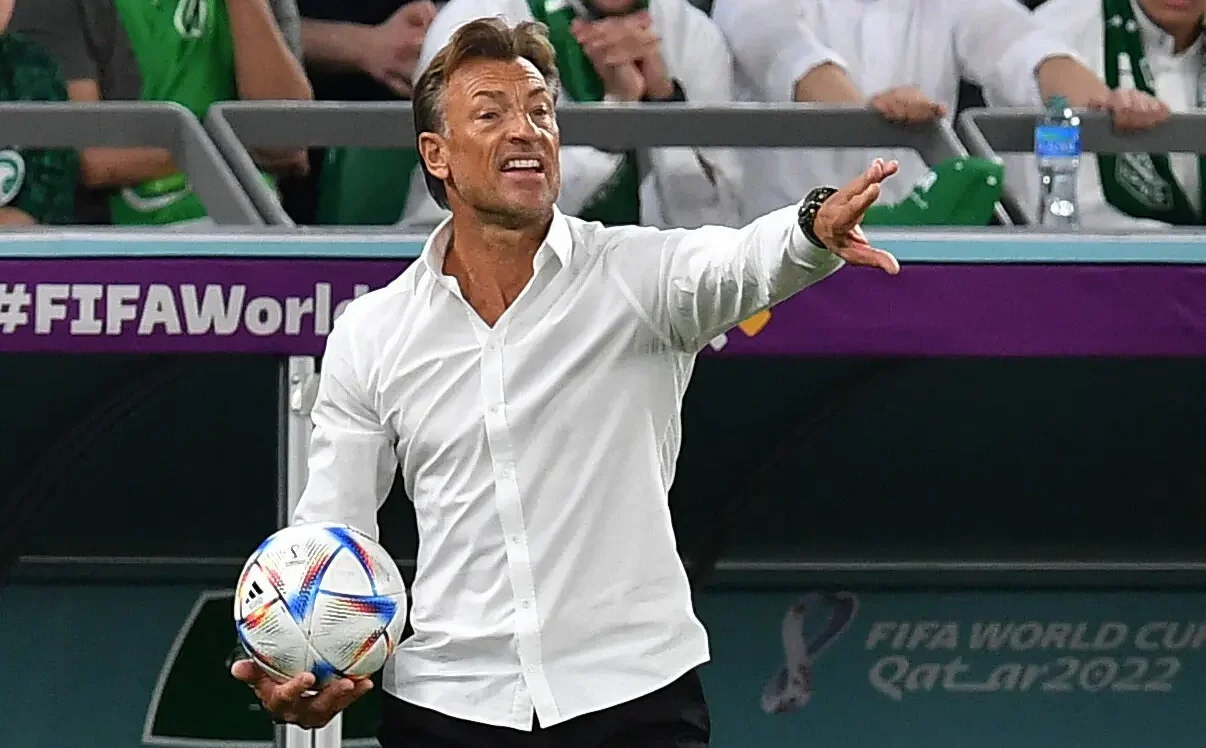
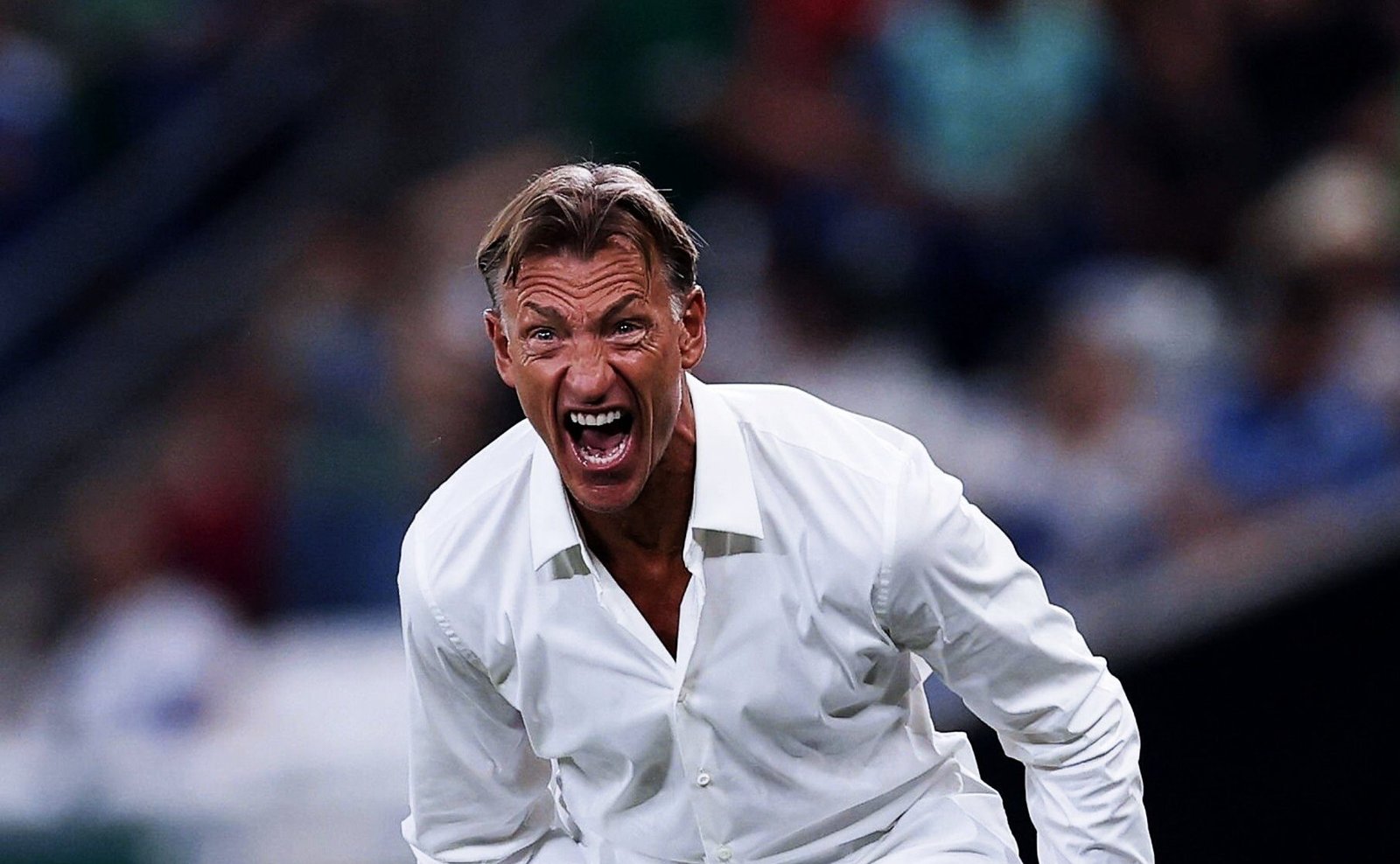
Tunisia coach Hervé Renard
Renard had little time to implement ideas, rebuild confidence or address the tactical flaws exposed by Sweden.
After the defeat to Japan, he admitted Tunisia had simply been second best.
“The score is heavy, but it reflects the difference between the two teams tonight.”
Rather than discussing qualification scenarios, Renard immediately shifted focus towards preserving dignity.
“We represent a nation. So it’s important to prepare well for this third match.”
His comments reflected the reality facing Tunisia. The objective was no longer progression but avoiding further embarrassment.
Questions for the federation
The deeper questions surrounding Tunisia’s collapse extend beyond the touchline.
Reports surrounding Lamouchi’s dismissal suggested tensions behind the scenes before the Sweden defeat, including claims that federation officials influenced starting xi team selection decisions.
Whether those reports are accurate or not, the instability was evident.
A coach appointed in January on a contract until 2028 was removed after a single World Cup match.
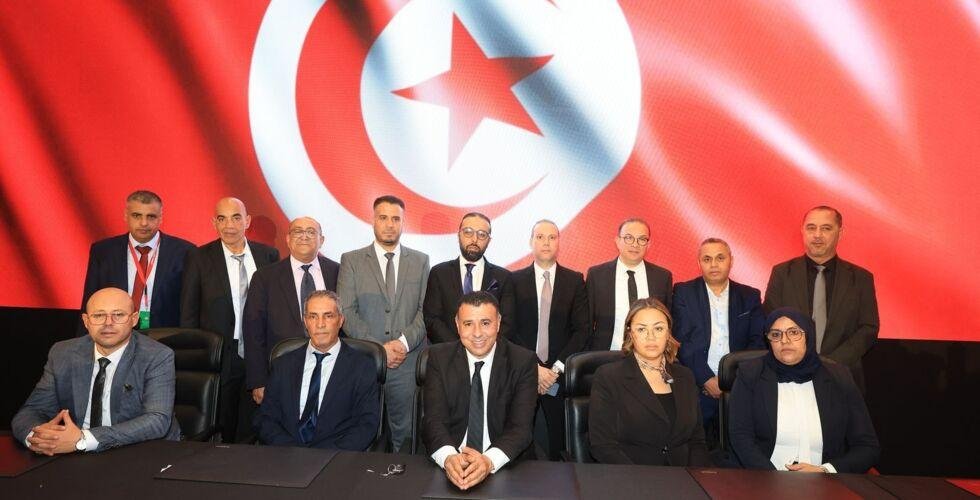
Tunisian Football Federation (FTF) Leaders: President-Moez Nasri, Vice-President-Hussein Jenayeh. Members: Rim Bajoui, Marwa Skhiri, Naji Chahed, Wissem Latif, Belhassen Balsamra, Monoubi Troudi, Moez Mestiri, Moez Naïli, Khemis Hamzaoui and Zied Messaoudi. Photocredit: Getty imeages
The federation’s decision to change managers during the tournament highlighted a sense of panic rather than long-term planning.
Instead of providing stability after the Sweden defeat, Tunisia entered their most important match of the tournament under a new coach who had only days to work with the squad.
Ali Abdi’s emotional warning
Perhaps the most revealing assessment came from defender Ali Abdi after the defeat to Japan.
Fighting back tears during a television interview, the Nice defender painted a worrying picture of the state of Tunisian football.
“We didn’t have time to work as a team; instead of fixing the flaws, we tore everything down and rebuilt every time.”
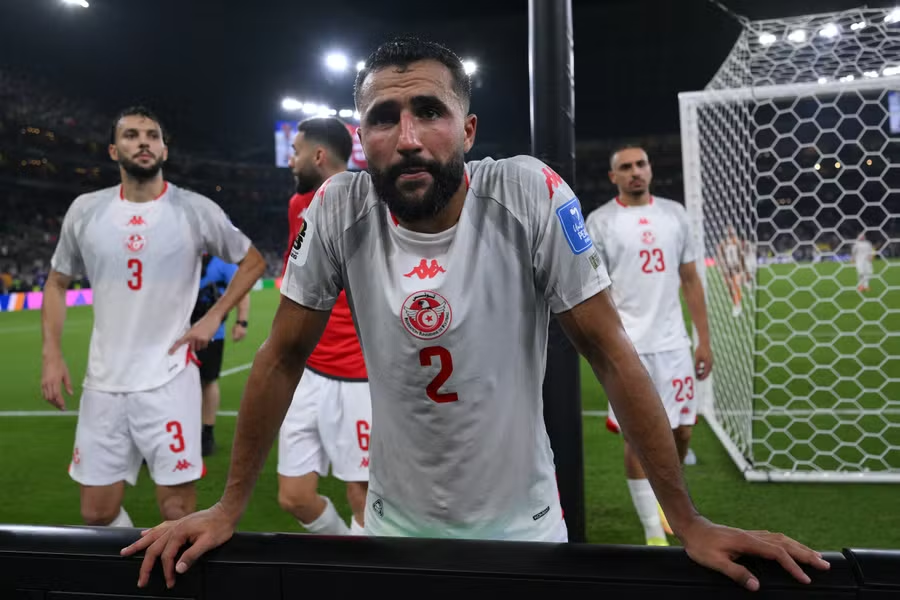
Tunisia defender Ali Abdi was brought to tears during a post-match interview following Tunisia’s 4-0 World Cup defeat to Japan. Photocredit: Getty Images
Abdi compared Tunisia’s situation to Japan, whose squad has largely remained together since the 2022 World Cup.”We’re coming to play at a World Cup with players who have never played together. If you look at the Japanese players, it’s the same team from 2022. Meanwhile, we change the team every tournament. You can’t build like that.”
His comments suggested Tunisia’s problems run deeper than coaching changes or individual performances.
They point towards a lack of continuity, long-term planning and structural stability.
Hannibal’s warning rings louder than ever
Abdi’s frustration echoes concerns raised months earlier by Manchester United midfielder Hannibal Mejbri following Tunisia’s Africa Cup of Nations exit.
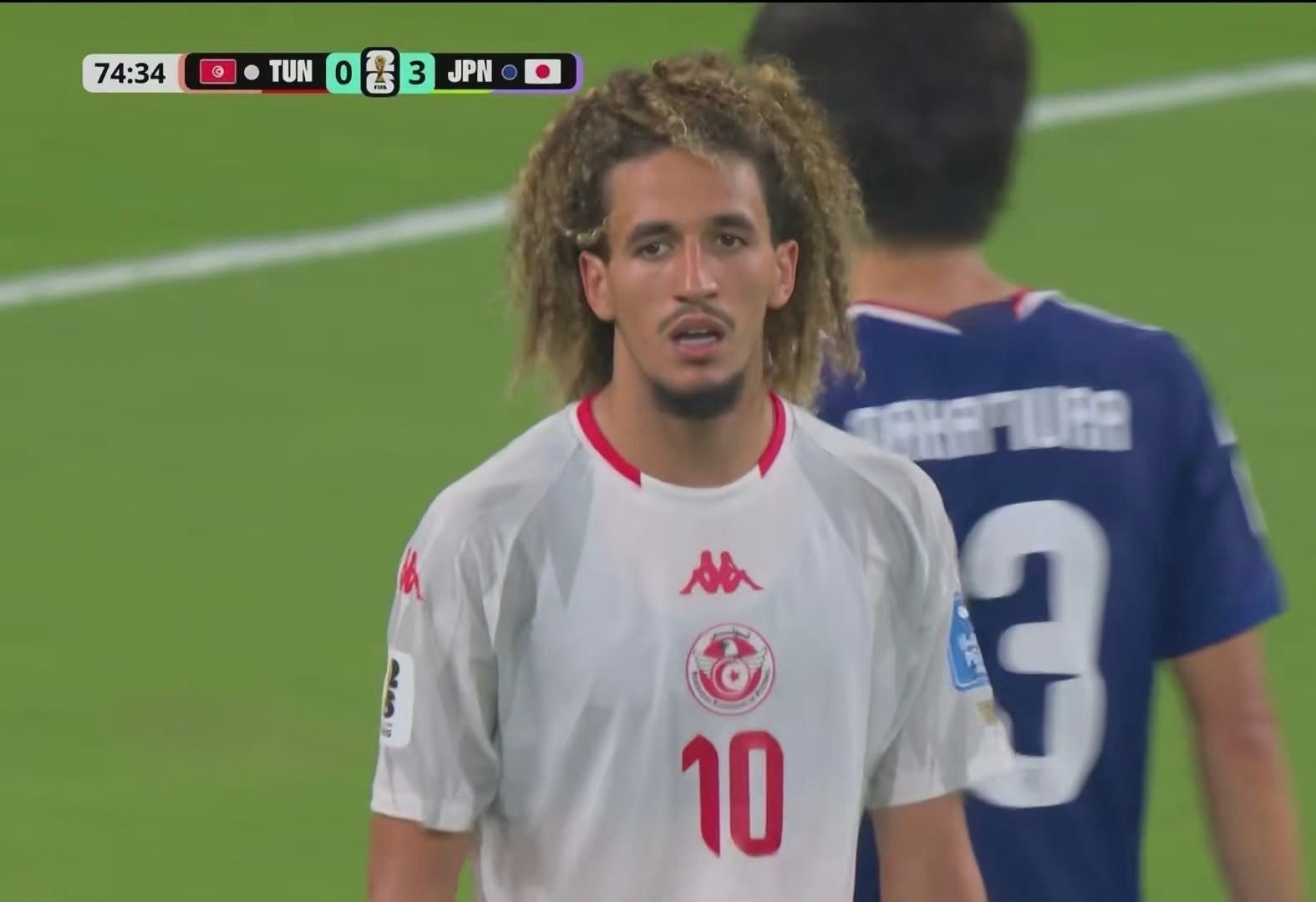
Hannibal Mejbri when they were kicked out of the AFCON in Morocco by Mali: “I will say it now, we are 10 years behind in football. We have to sit down and ask ourselves how we got to this point. We have to re-educate and train in everything, learn again from the beginning from the very first jobs in football. Football in Tunisia has fallen behind a lot, especially when you compare us to countries like Morocco.”
The midfielder delivered a brutally honest assessment of where Tunisian football stands compared to its continental rivals.
“We are 10 years behind in football. We have to sit down and ask ourselves how we got to this point.”
“We have to re-educate and train in everything, learn again from the beginning from the very first jobs in football.”
“Football in Tunisia has fallen behind a lot, especially when you compare us to countries like Morocco.”
At the time, the comments sparked debate. but following Tunisia’s latest World Cup collapse, they appear increasingly difficult to dismiss.
Seven World Cups, seven exits
The most concerning statistic is not the nine goals conceded in two games.
It is the fact that Tunisia have now participated in seven World Cups and failed to progress beyond the group stage on every occasion.
Different generations, different coaches, different opponents but the outcome remains the same.
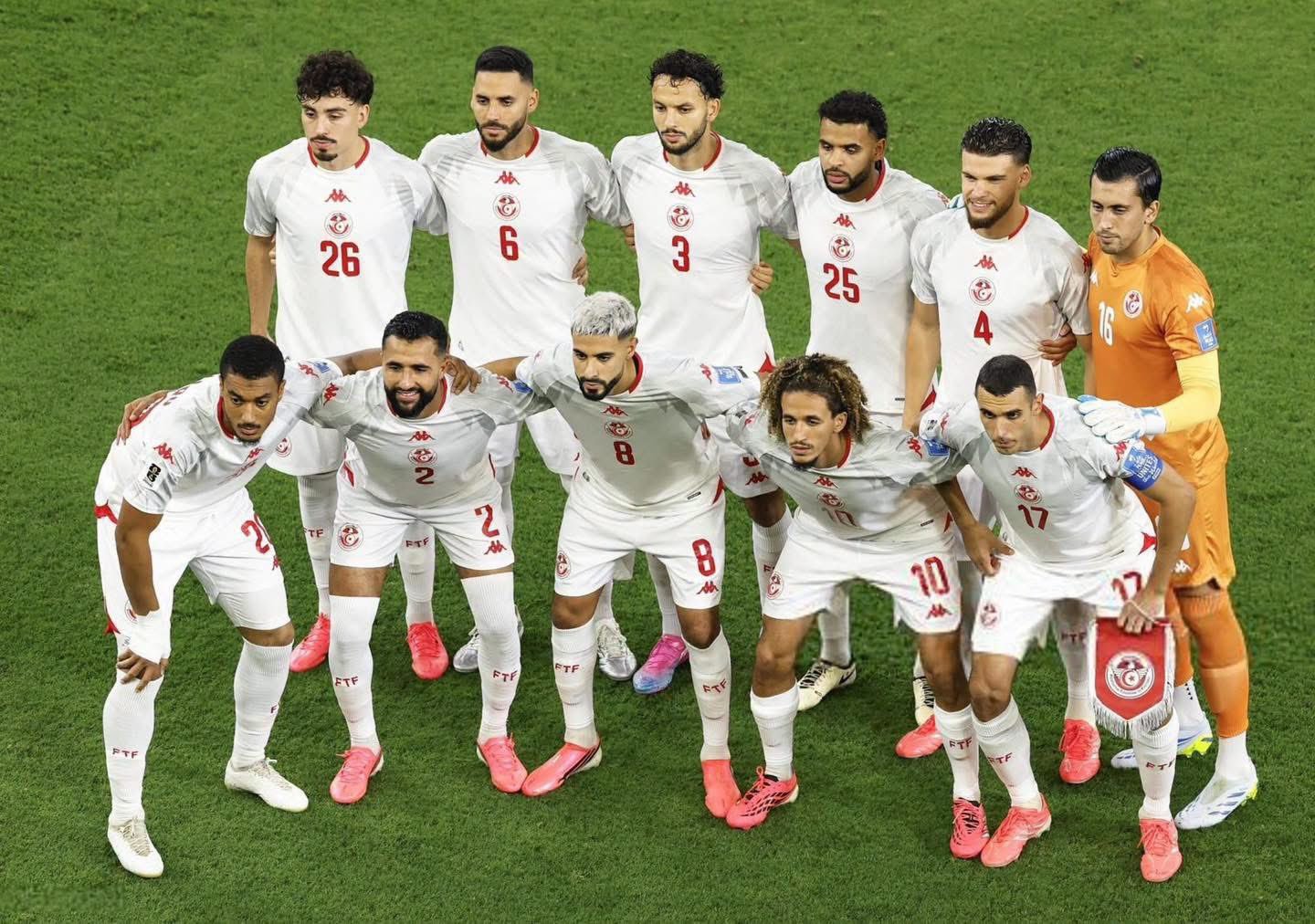
Herve Renard arrived to rescue Tunisia’s World Cup campaign, but defeats to Japan and Sweden exposed deeper issues involving instability, federation decisions and long-standing structural problems in Tunisian football.
Renard was brought in because of his reputation for achieving the improbable. He famously guided Zambia and Ivory Coast to Africa Cup of Nations glory and masterminded Saudi Arabia’s historic victory over Argentina at the 2022 World Cup.
But even a coach with that pedigree could not reverse Tunisia’s decline in a matter of days.
Their elimination against Japan may have ended the World Cup campaign, but it has also intensified scrutiny on the decisions being made away from the pitch.
Tunisia still have one final group match against the Netherlands, yet the bigger challenge lies beyond this tournament.
CLICK HERE TO JOIN ATHLETIC NG WHATSAPP CHANNEL NOW!
The question is no longer whether Renard could save Tunisia. The question is whether Tunisian football can fix the deeper issues that left even a coach of his experience powerless to stop another World Cup failure.