
The Confederation of African Football (CAF) has officially thrown open the race to host the 2028, 2032 and 2036 editions of the Africa Cup of Nations, inviting all 54 Member Associations to submit bids for the continent’s biggest football tournament.
As expected, the announcement naturally places the spotlight on Africa’s most active football host of recent years. But Morocco will not be joining the race.
Despite boasting some of the continent’s finest stadiums, a proven record of organizing major tournaments and preparations already underway to co-host the 2030 FIFA World Cup alongside Spain and Portugal, the North African nation has already ruled itself out of future CAF hosting contests.
The decision as announced weeks before CAF opened the bidding process, continues to raise questions about why one of Africa’s strongest football nations has voluntarily stepped away from hosting the continent’s flagship competitions.
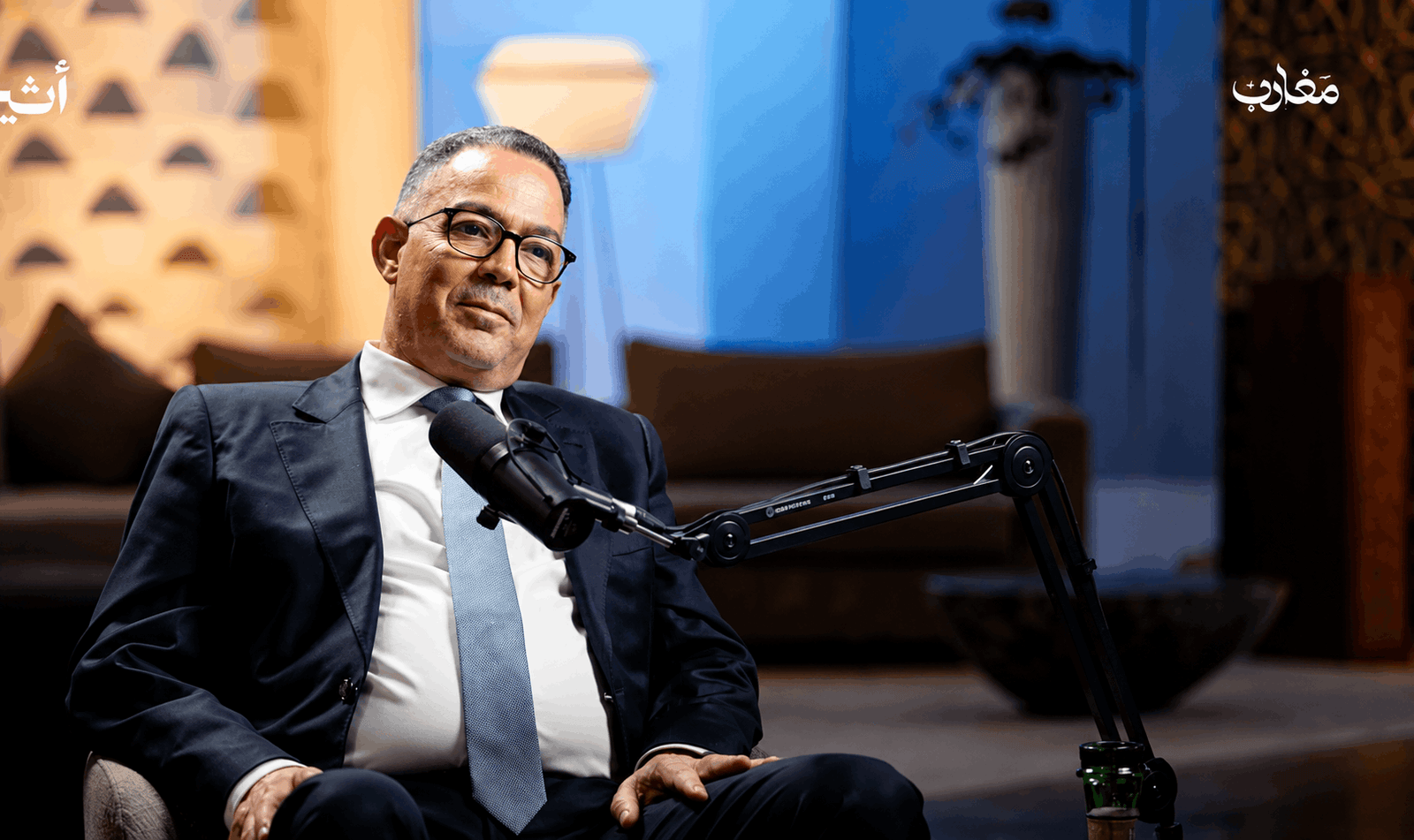
FRMF president Fouzi Lekjaa says the country has done its part for African football amid criticism over its growing influence
Royal Moroccan Football Federation (FRMF) president Fouzi Lekjaa offered a clear explanation in June 2026 when he announced that Morocco would no longer bid to host CAF competitions.
“Starting today, Morocco will no longer submit any bids to host African competitions, regardless of their nature. If other countries wish to organise them, we wish them the best,” Lekjaa said.
His remarks came within the increasing debate across African football over Morocco’s growing influence within CAF.
Over the past decade, Morocco has repeatedly stepped in to host tournaments, sometimes at short notice when other countries withdrew or were unable to fulfil organisational requirements.
Its modern infrastructure, investment in football facilities and organisational capacity made it one of CAF’s most dependable partners.
However, that prominence also fuelled criticism from some quarters, with suggestions that Morocco had become the preferred destination for continental competitions.
Lekjaa firmly rejected claims that Morocco enjoys undue influence within CAF, insisting the country’s involvement has always been driven by a desire to support African football whenever called upon.
According to him, Morocco’s role in CAF committees is limited, while his own position as chairman of the Finance Committee reflects professional competence rather than national advantage.
A difficult AFCON still fresh in memory
Morocco’s announcement also comes against the backdrop of an Africa Cup of Nations that generated significant debate both on and off the pitch.
Although the tournament showcased world-class venues and passionate support, it was not without controversy.
Several visiting teams raised concerns during the competition over logistical arrangements, while discussions around aspects of tournament organization dominated headlines at various stages.
The tournament’s closing chapter proved even more contentious. The final between Morocco and Senegal ended amid chaotic scenes that have continued to attract attention long after the trophy was lifted.
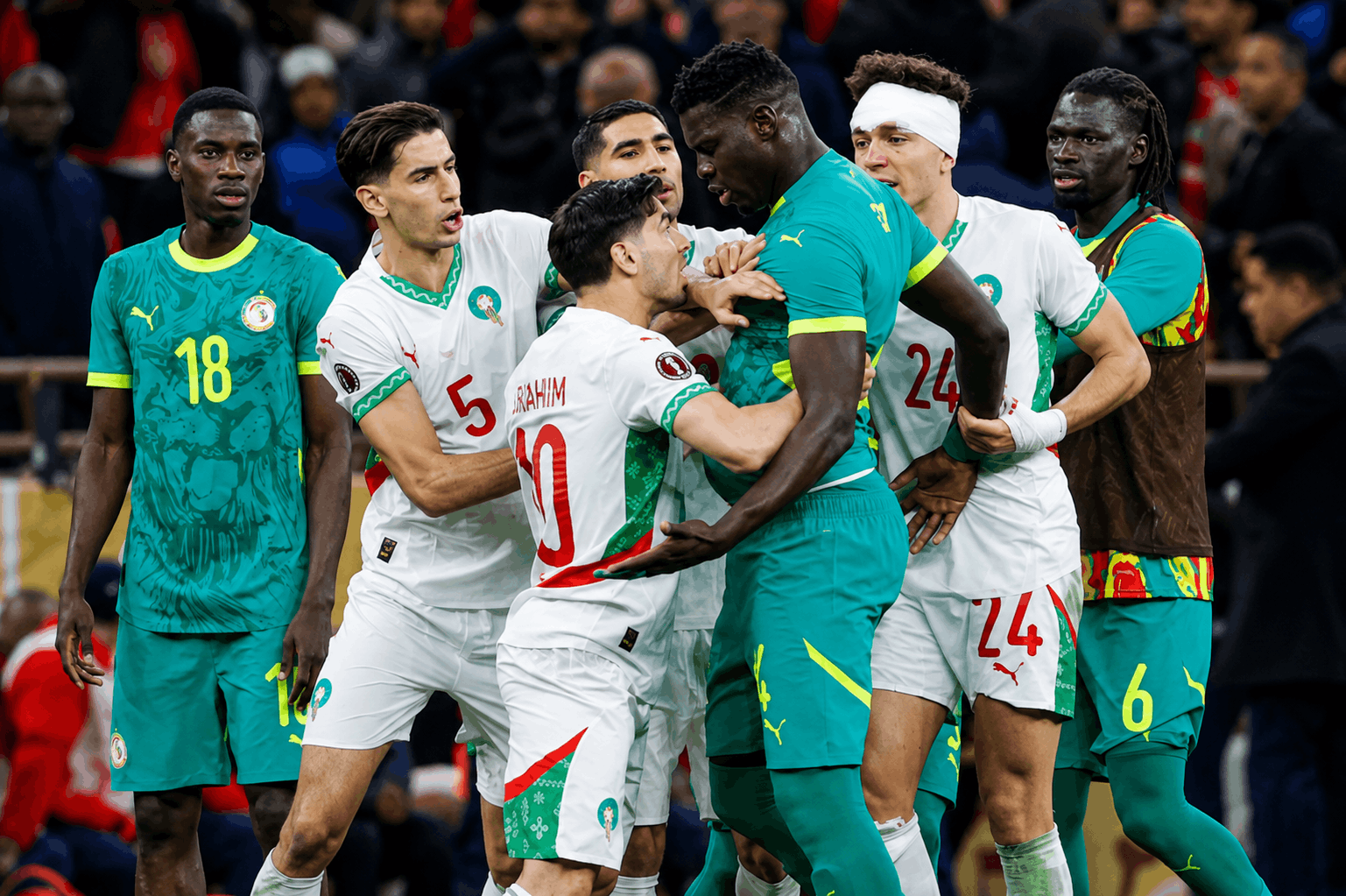
Senegalese players in fierce confrontation with Moroccan players at AFCON 2025 (1)
The fallout remains unresolved, with proceedings linked to the final still before the Court of Arbitration for Sport (CAS), ensuring the tournament continues to cast a long shadow over African football.
While Morocco has never linked its decision to withdraw from future CAF hosting bids to those events, the timing has inevitably fuelled speculation about whether the country is ready to leave African tournament hosting to others.
READMORE: AFCON host: CAF opens bidding for 2028, 2032 and 2036 editions
Morocco’s withdrawal from CAF bidding does not signal a retreat from hosting football events.
Far from it. The country remains one of world football’s busiest organizers and is preparing for an unprecedented run of global competitions.
Morocco is set to host the 2029 FIFA Club World Cup before welcoming the world again as co-host of the 2030 FIFA World Cup alongside Spain and Portugal.
Those tournaments represent the biggest sporting projects in the country’s history and are expected to consume significant financial and organizational resources over the coming years.
Against that backdrop, stepping away from CAF bidding may also allow Morocco to concentrate fully on delivering two of football’s most prestigious global events.
CLICK HERE TO JOIN ATHLETIC NG WHATSAPP CHANNEL NOW!
CAF’s decision to open bidding for three future AFCON editions now creates an opportunity for other nations to put themselves forward.
Countries investing heavily in football infrastructure, transport networks and stadium development now have a clearer pathway to hosting Africa’s premier football tournament without competing against one of the continent’s most experienced organizers but for Morocco, however, the decision has already been made, to watch the race from the sidelines believing it has already played its part in African football’s growth.


































Pingback: Carlos Queiroz: African football held back by poor infrastructure, not lack of talent - The Athletic NG