The fallout from the controversial AFCON 2025 final in Morocco is now shaping global football policy, with FIFA moving to introduce stricter disciplinary measures ahead of the 2026 World Cup.
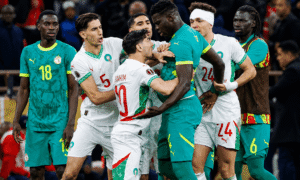
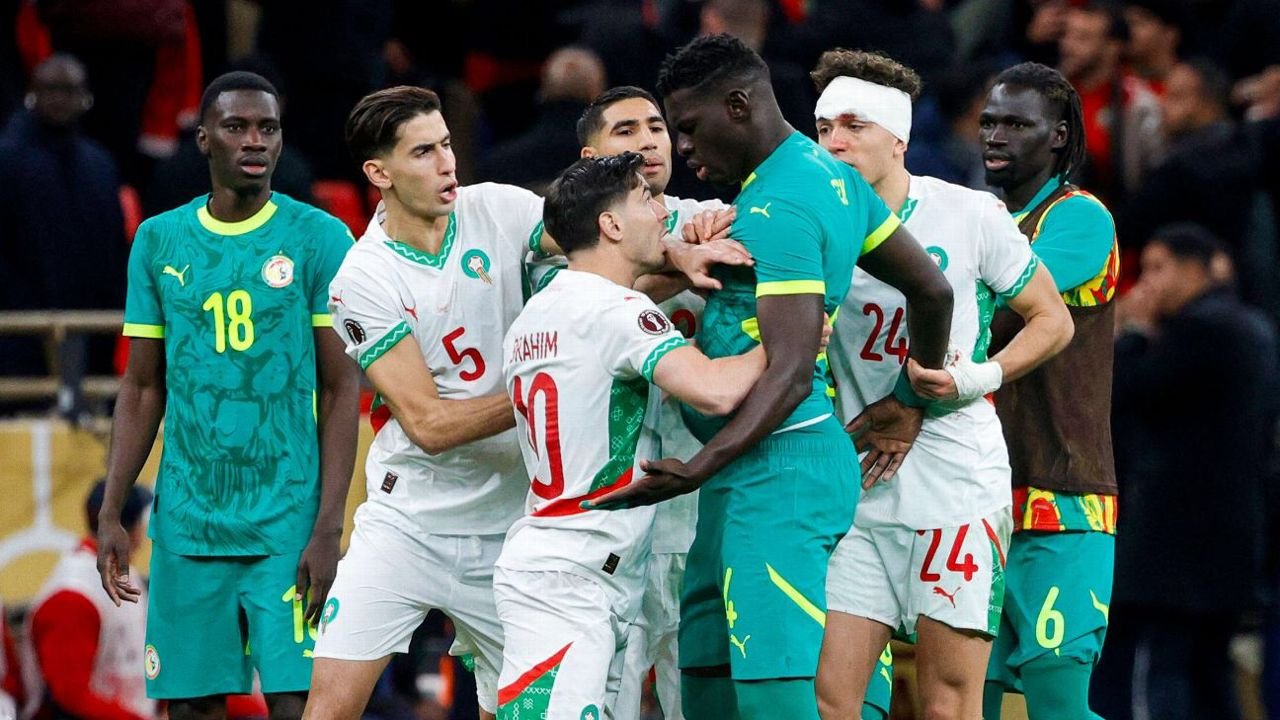
The tournament decider between Senegal national football team and Morocco national football team sparked widespread debate after Senegal’s bench instructed players to walk off the pitch in protest over refereeing decisions an incident that reverberated across the football world.
In response, FIFA is now preparing to take a firm stance. “Zero tolerance for walk-offs”
Under the proposed regulations, any team that walks off the pitch in protest will face immediate consequences, with players at risk of instant dismissal.
The move signals a clear shift towards enforcing discipline, with FIFA determined to eliminate match disruptions caused by protests, regardless of the circumstances.
READMORE: I’ve chosen Nigeria: Championship star draws Premier League attention
The AFCON final incident is understood to have played a key role in shaping that thinking, serving as a case study for how quickly tensions can escalate on the biggest stages.
Alongside the crackdown on protests, FIFA is also planning changes to its yellow card suspension system for the expanded 2026 World Cup.
With the tournament growing to 48 teams and featuring an additional knockout round, concerns have emerged that players face an increased risk of suspension under the current format.
At present, two yellow cards across five matches can rule a player out of a crucial game. However, under the proposed changes, bookings will be wiped at two stages after the group phase and again following the quarter finals.
This adjustment is designed to reduce the likelihood of key players missing decisive fixtures such as semi-finals, while still maintaining discipline throughout the competition.
Importantly, the threshold for suspension will remain at two yellow cards, but the introduction of two “amnesty points” means players will only risk bans within smaller clusters of matches.
The proposals are set to be discussed at the upcoming FIFA Council meeting in Vancouver, where final decisions on the rule changes are expected.
FIFA’s approach is a balancing act tightening control over player behaviour while also ensuring that the expanded tournament format does not unfairly punish teams.
CLICK HERE TO JOIN ATHLETIC NG WHATSAPP CHANNEL NOW!
If approved, the new rules will mark a significant shift in how discipline is managed at the World Cup, reinforcing FIFA’s message “the game must continue, and protests will come at a cost”.