Nigeria hosting the CAF Congress and CAF Awards is good optics. Hosting the Africa Cup of Nations would be transformational it’s only sensible to say that Nigeria cannot keep celebrating conferences while others cash in on AFCON and develop their football.
That is the unavoidable conclusion after Patrice Motsepe revealed that Morocco generated almost $2 billion, approximately ₦2.7 trillion from hosting the 2025 Africa Cup of Nations.
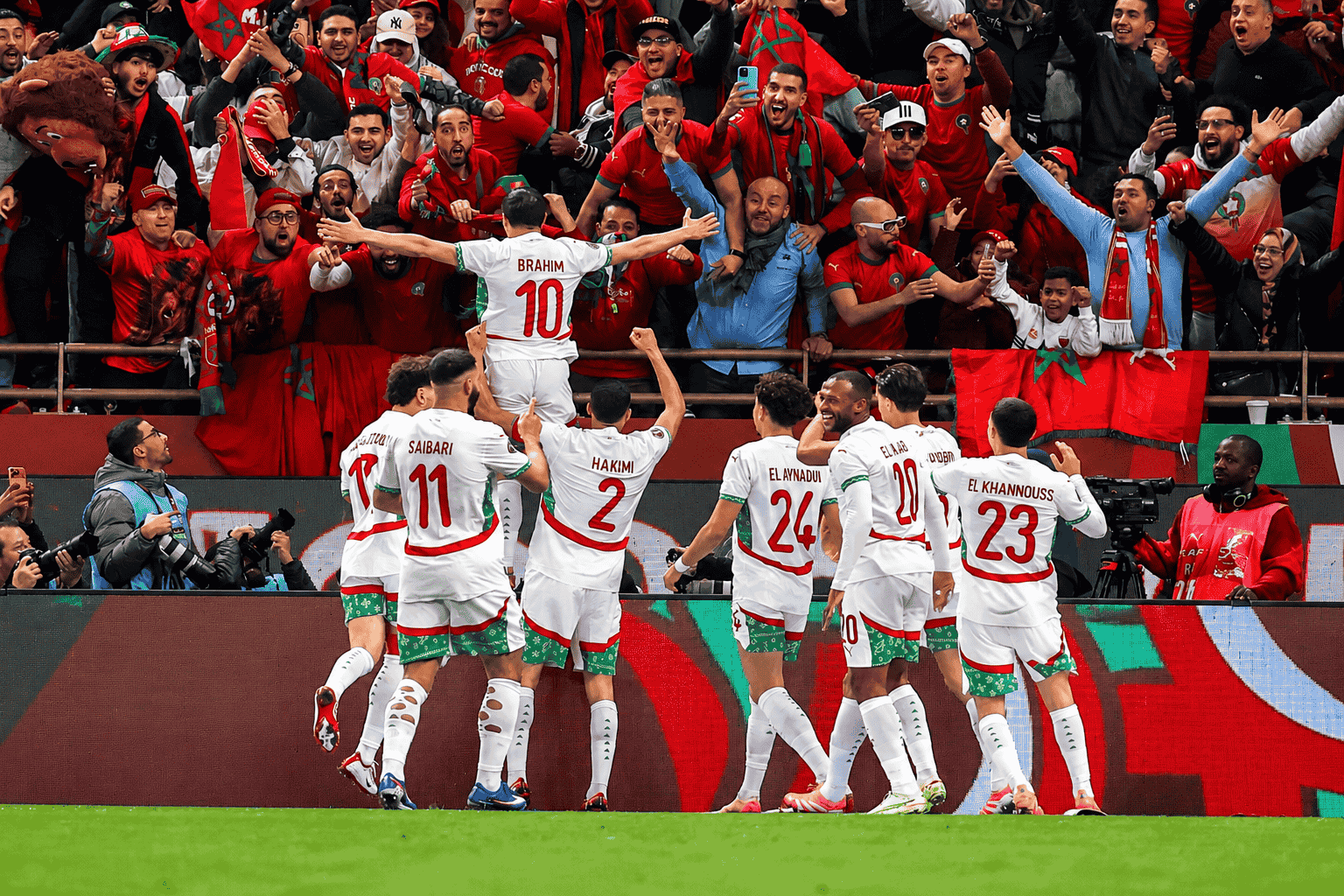
Morocco National football team celebrating goal
For a country like Nigeria, Africa’s largest economy by population and arguably its biggest football market, that figure should completely change the conversation around sports investment.
Yes, President Bola Ahmed Tinubu deserves credit for approving Nigeria’s hosting of the 48th CAF Ordinary General Assembly and the 2026 CAF Awards ceremony. It signals ambition, improves Nigeria’s visibility within African football politics and could attract some of the continent’s biggest stars to Lagos or Abuja later this year.
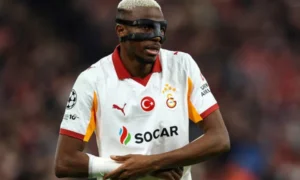
Fans could see names like Victor Osimhen, Achraf Hakimi, Brahim Diaz, Mohamed Salah and Leroy Sane gather in Nigeria for African football’s biggest award night.
But ceremonies and conferences do not change nations economically. Major tournaments do and Morocco showed what AFCON can become economically.
For decades, AFCON was viewed mainly as a football competition. Morocco turned it into an economic machine.
CAF revealed that the tournament attracted:
- 2.5 billion television viewers across 118 countries
- 6.2 billion digital and social media interactions
- Nearly one million football tourists
- 23 major commercial sponsors
Even Morocco’s national airline reportedly generated around $150 million from tournament travel activity alone.
READMORE: Serie A club revive move for Super Eagles defender after AFCON breakthrough and standout Blackburn season
The North African nation reportedly fast tracked over €2.3 billion worth of infrastructure projects linked to transport, stadiums and urban mobility while simultaneously preparing for the 2030 FIFA World Cup. that is the key lesson Nigeria should absorb.
AFCON is no longer just football. It is infrastructure. It is tourism. It is branding. It is foreign investment. It is continental influence.
CAF Awards are prestige events but AFCON changes economies
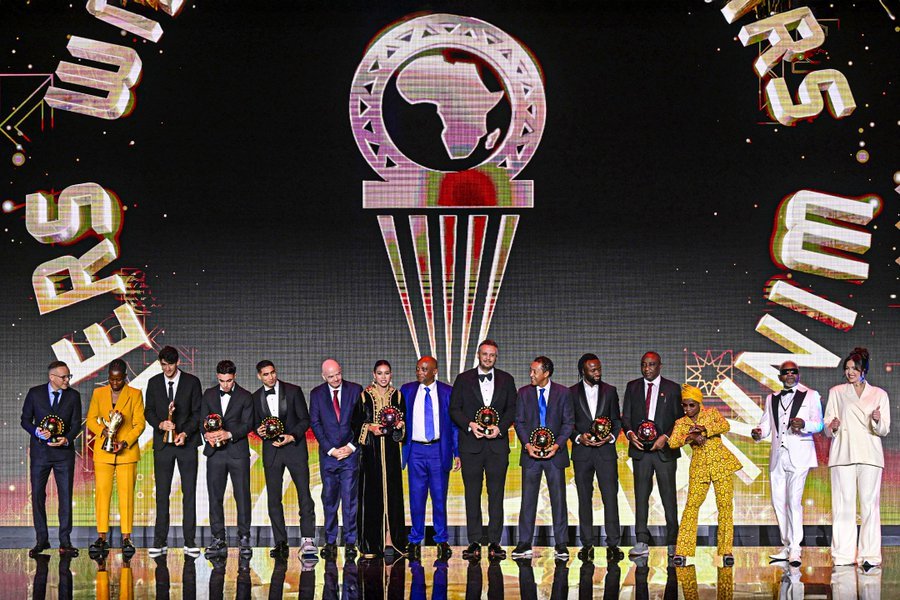
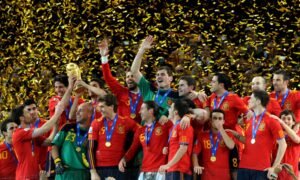
CAF Awards 2025 winners. Photocredit: CAF Online
Nigeria would again become the center of African football conversation for a few days. Hotels would fill up. Television cameras would arrive. Politicians and football executives would network.
But the long-term economic impact remains limited compared to hosting a month-long continental championship.
A CAF Congress lasts days. An AFCON reshapes cities. the difference matters.
Nigeria’s football ecosystem desperately needs large-scale infrastructure renewal. Most of the stadiums once considered elite on the continent no longer meet modern CAF standards talk more of FIFA.
Only the Godswill Akpabio International Stadium and the Moshood Abiola National Stadium are currently viewed as fully capable of hosting major continental matches at elite level.
Historic venues like:
- Teslim Balogun Stadium
- Ahmadu Bello Stadium
- National Stadium Surulere
- Nnamdi Azikiwe stadium
would all require significant redevelopment.
That reality alone explains why Nigeria cannot simply rush into an AFCON bid tomorrow.
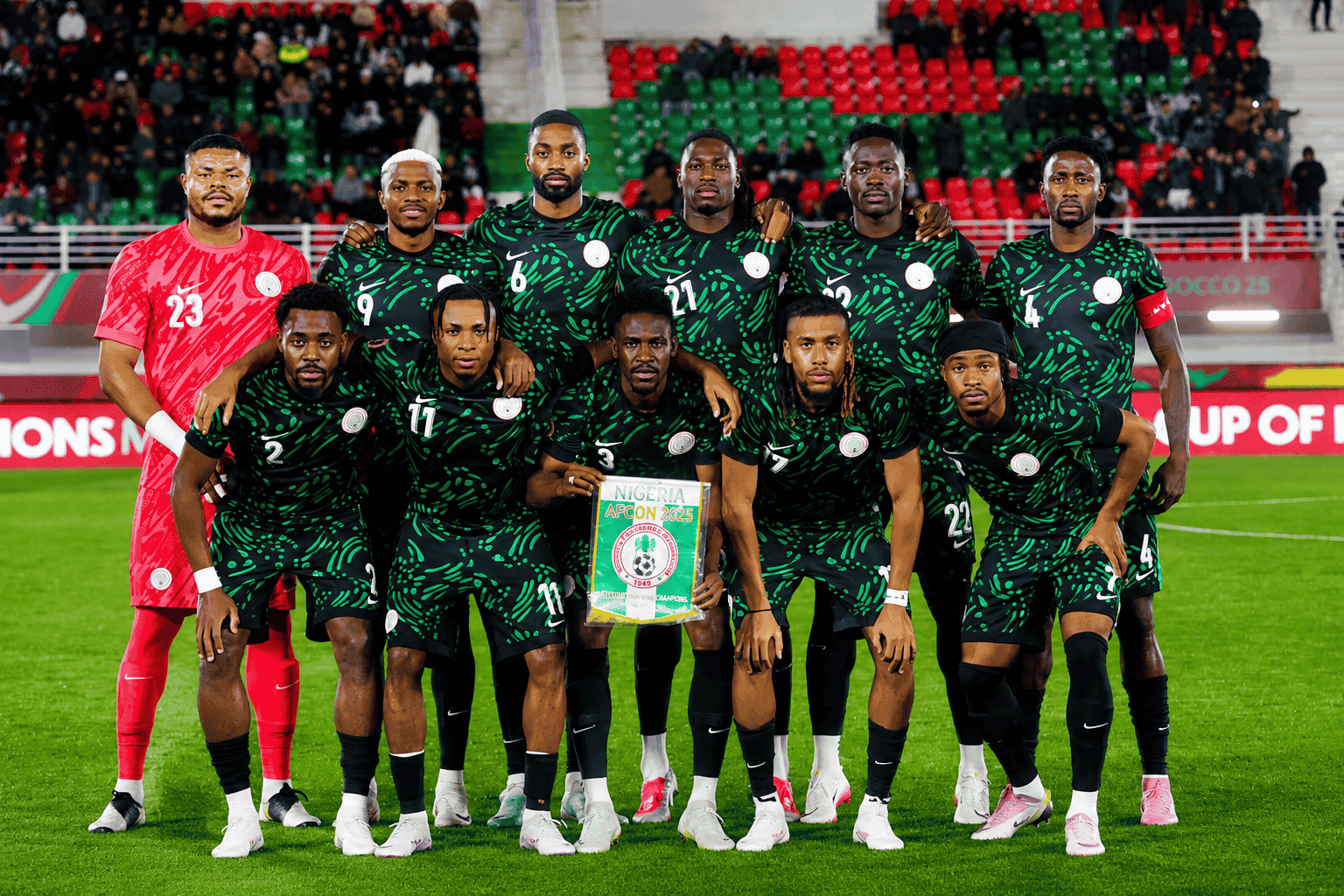
Why AFCON 2032 makes sense
Timing may actually favor Nigeria; CAF has already confirmed that:
- Kenya, Uganda and Tanzania will host AFCON 2027
- The 2028 hosting race already involves Morocco, Ethiopia and a South Africa-Botswana proposal
After 2028, AFCON is expected to move permanently to a four-year cycle. that makes 2032 the next realistic opportunity and perhaps that timeline is exactly what Nigeria needs.
A six-year runway would allow the government and private sector to gradually rebuild infrastructure instead of rushing into emergency construction projects.
It could also align with broader national development plans involving:
- Rail expansion
- Airport modernization
- Urban renewal
- Hospitality investment
- Security upgrades
- Smart transport systems
If handled properly, AFCON could become the deadline that forces overdue national projects to finally happen.
The real issue is political will are the government willing to commit to it? The biggest obstacle is not football. It is commitment.
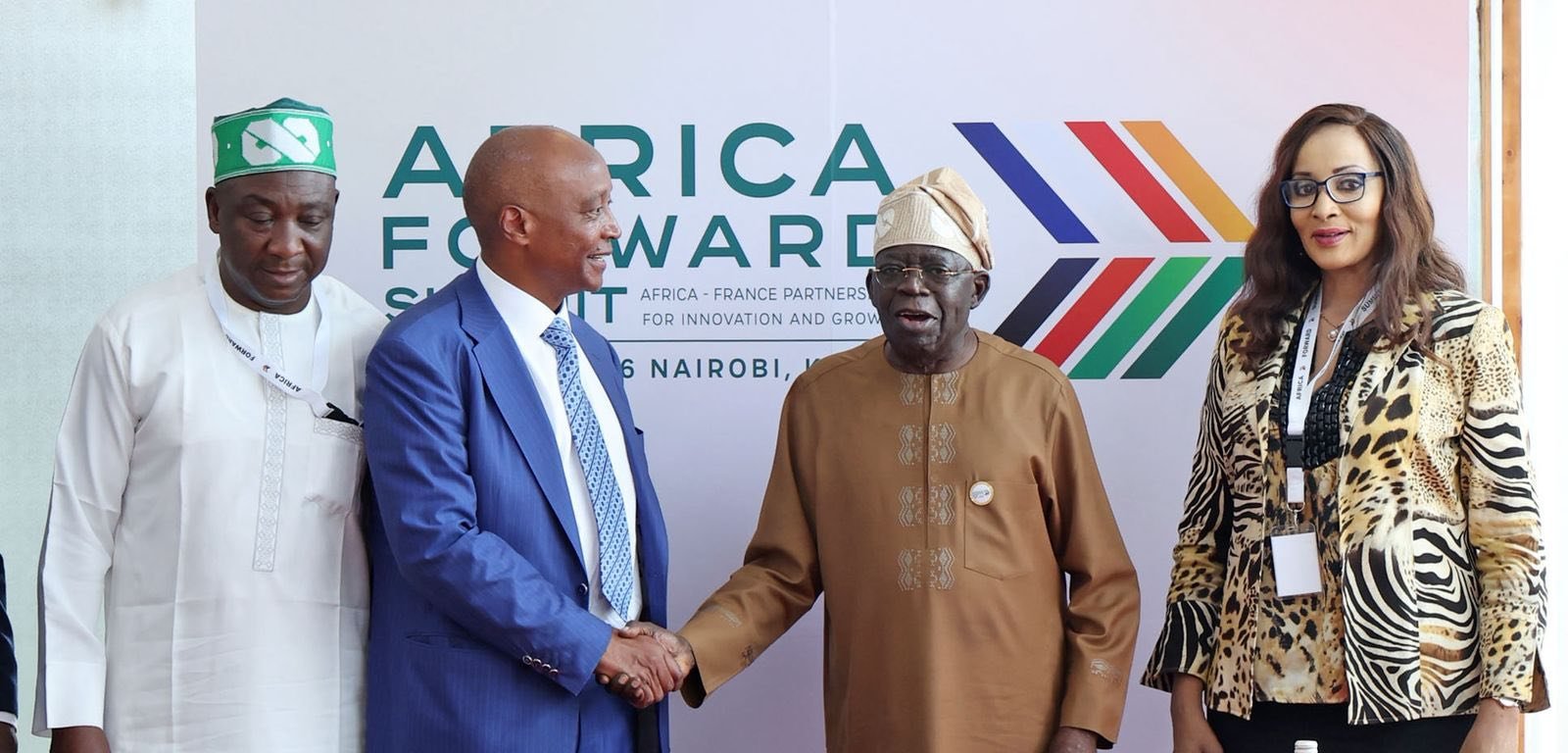
Hosting AFCON would likely cost between $1.2 billion and $1.5 billion. That figure sounds enormous until placed beside the potential long-term returns.
Morocco’s example proves that modern football tournaments can create lasting economic ecosystems when properly planned.
Nigeria also has advantages Morocco does not:
- A larger domestic football audience
- Massive diaspora support
- Stronger cultural entertainment exports
- A huge consumer market
- Existing football history and prestige
Nigeria has hosted AFCON twice before in 1980 and jointly with Ghana in 2000.
The 1980 edition remains iconic after the Green Eagles defeated Algeria national football team 3-0 in Lagos to win the country’s first continental title.
But modern AFCON standards are far higher now. That means the country must stop thinking about hosting tournaments as short-term football projects and start treating them as national economic strategies.
A regional bid could also help
Another realistic option could involve a joint West African proposal.
A partnership involving Nigeria and neighboring countries like Benin could reduce infrastructure pressure while spreading economic benefits across the region.
CAF already appears increasingly open to multi-country hosting models after awarding AFCON 2027 jointly to Kenya, Uganda and Tanzania.
That path may offer Nigeria a more financially manageable route back into continental hosting.
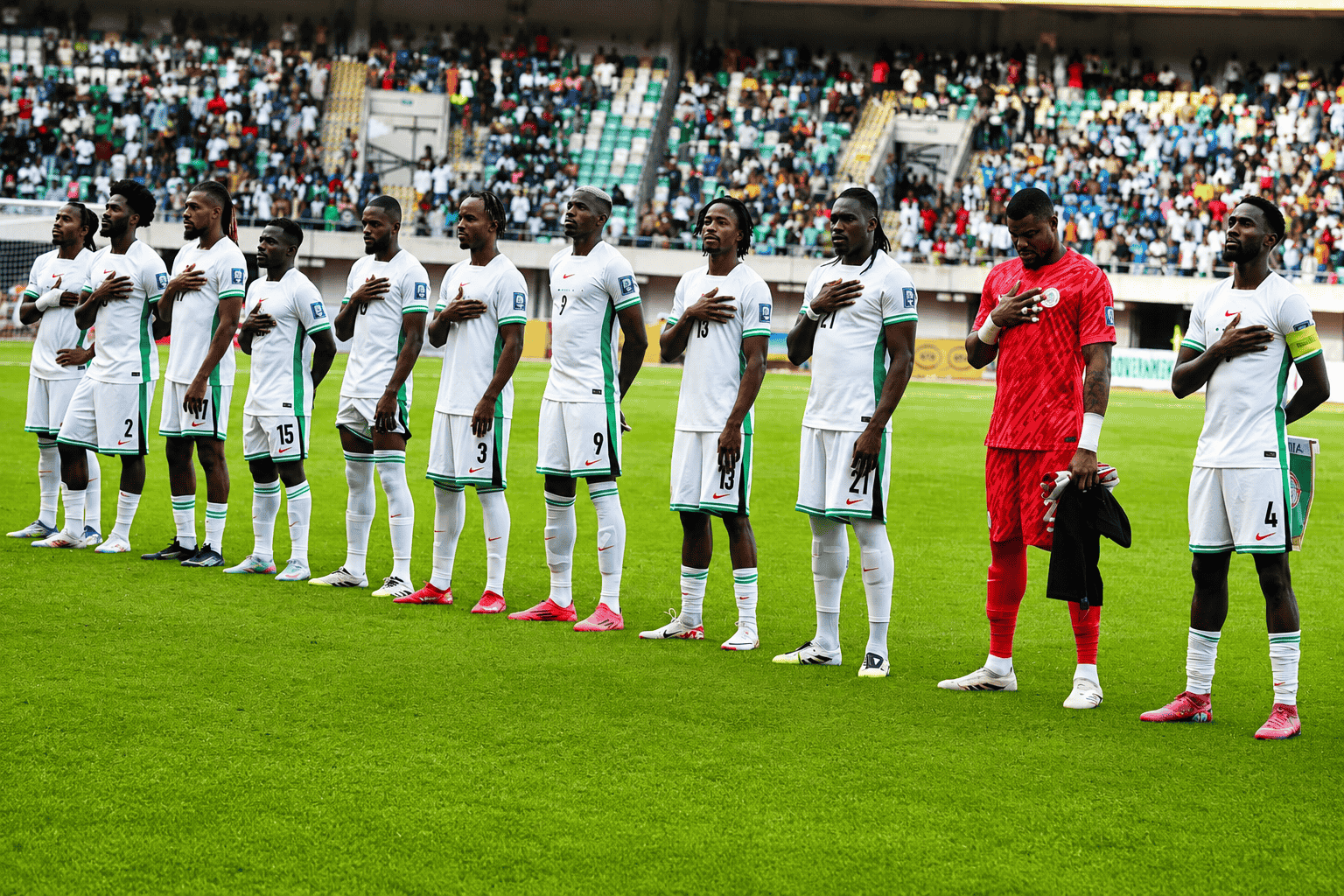
Nigeria must think bigger, hosting the CAF Awards is important but hosting the CAF Congress is valuable.
But neither compares to the economic, infrastructural and global branding potential of hosting Africa itself. Morocco have already shown the blueprint.
CLICK HERE TO JOIN ATHLETIC NG WHATSAPP CHANNEL NOW!
The real question now is whether Nigeria wants applause for organizing ceremonies or whether it wants to build a tournament capable of transforming cities, attracting billions and reshaping African football in West Africa once again.