Senegal’s official decision to pursue hosting rights for the 2032 Africa Cup of Nations may have intensified an important conversation Nigeria can no longer ignore.
While Nigeria celebrates securing the rights to host the CAF Ordinary General Assembly and the 2026 CAF Awards ceremony, Senegal are already positioning themselves for something potentially far more transformative: hosting Africa’s biggest football tournament.
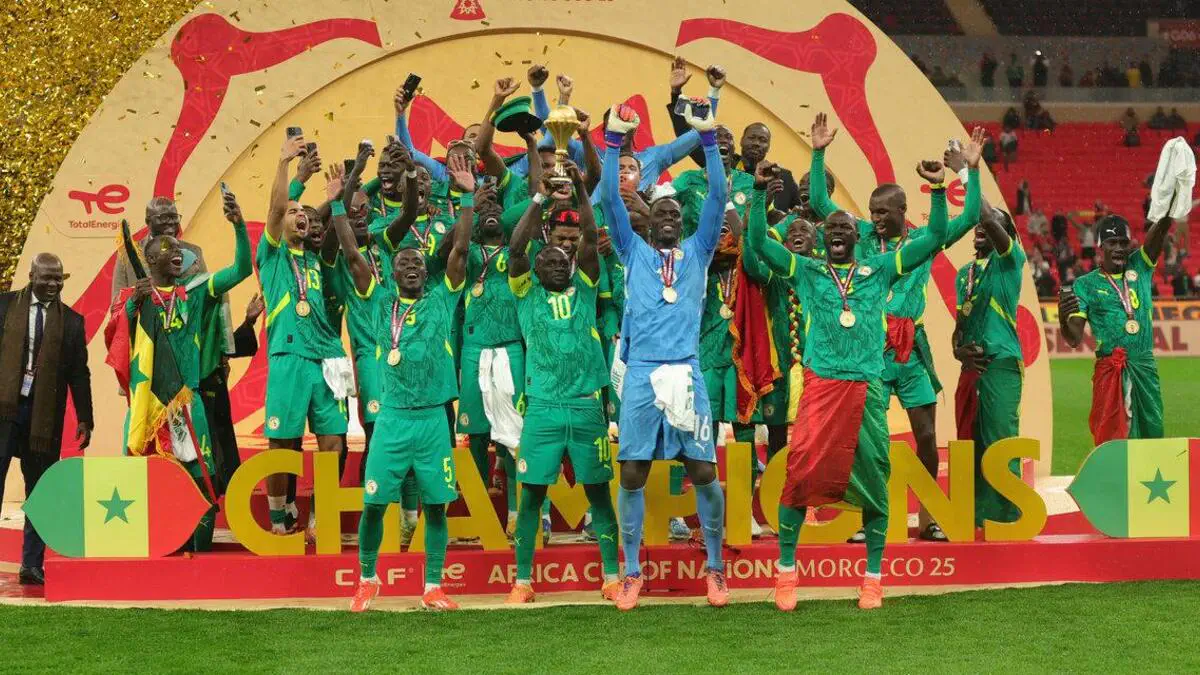
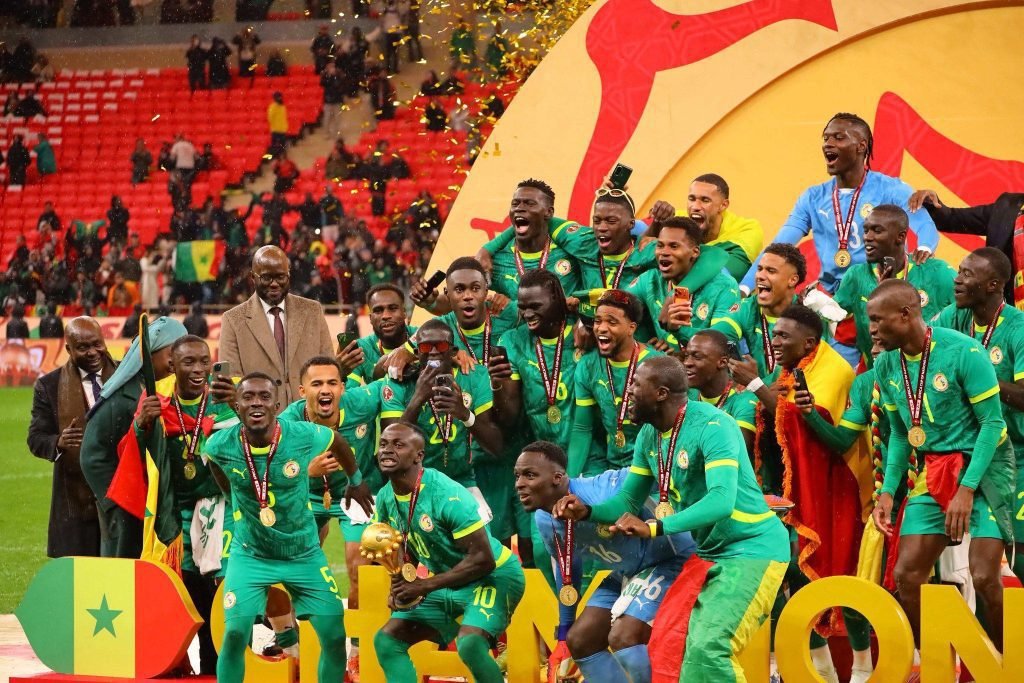
senegalese celebrating afcon win
The Senegalese government confirmed this week that preparations are underway for a formal AFCON 2032 bid, with Minister of Youth, Sports and Culture Khady Diène Gaye revealing that the country intends to bring the tournament back to Senegal for the first time since 1992.
That development may now place Nigeria under increasing pressure to decide whether it truly wants to compete for the future of African football hosting or remain focused on short-term prestige events.
President Bola Ahmed Tinubu recently approved Nigeria’s hosting of the 48th CAF Ordinary General Assembly and the CAF Awards ceremony after talks with CAF president Patrice Motsepe in Nairobi.
The decision was widely praised across Nigerian football circles. It improves Nigeria’s visibility within African football politics and could bring some of the continent’s biggest stars to the country later this year, including Victor Osimhen, Achraf Hakimi, Brahim Diaz, Mohamed Salah and Ademola Lookman.
READMORE: Morocco denies missing CAS deadline in Senegal’s AFCON 2025 final appeal
But as Morocco recently demonstrated, conferences and award nights do not generate the same long-term impact as hosting AFCON itself.
Motsepe revealed during the Africa Forward Summit that Morocco generated almost $2 billion, approximately ₦2.7 trillion, from hosting AFCON 2025.
CAF also confirmed staggering tournament figures including 2.5 billion television viewers across 118 countries, nearly one million football tourists and 23 major sponsors.
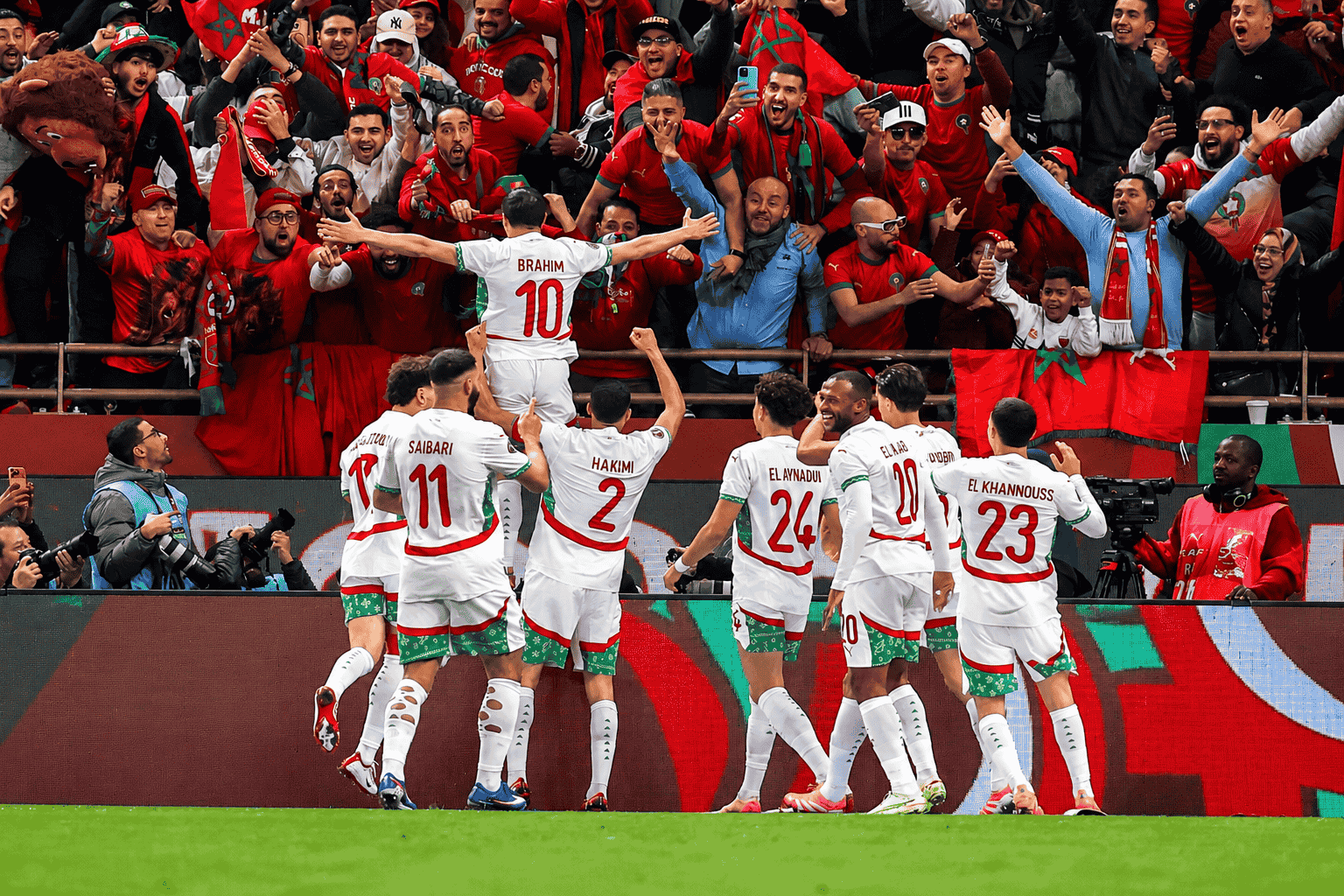
Morocco National football team celebrating goal
Morocco reportedly used the tournament to accelerate more than €2.3 billion worth of infrastructure projects linked to stadiums, rail systems, airports and urban transport while simultaneously preparing for the 2030 FIFA World Cup.
That success has now changed how many African countries view AFCON.
It is no longer just a football tournament. It is increasingly viewed as an economic, tourism and infrastructure project capable of reshaping entire cities.
Senegal appears to understand that shift clearly.
The West African nation has spent recent years improving its football infrastructure following its 2021 AFCON triumph in Cameroon. Central to its 2032 plans are facilities like the Abdoulaye Wade Stadium in Diamniadio alongside planned future developments.
Nigeria, meanwhile, still faces major infrastructure challenges despite possessing one of Africa’s biggest football audiences and commercial markets.
Currently, only the Godswill Akpabio International Stadium in Uyo and the Moshood Abiola National Stadium in Abuja are widely viewed as fully ready for elite continental football.
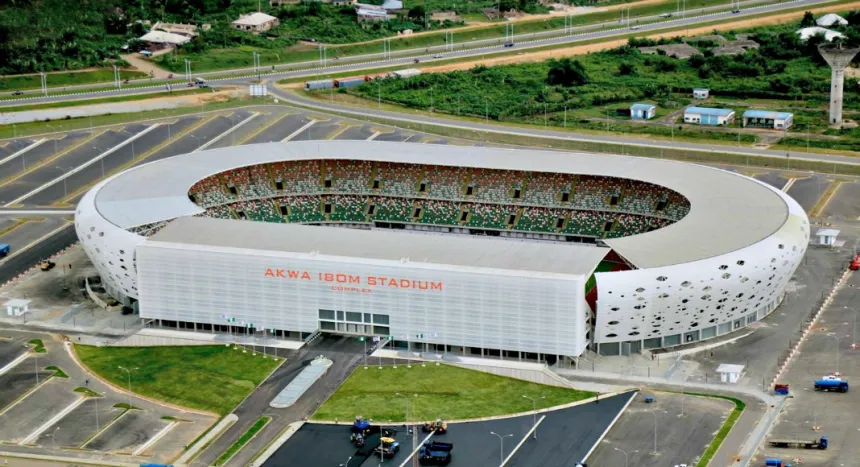
Godswill Akpabio International stadium, Uyo
Historic venues such as the National Stadium in Surulere, Teslim Balogun Stadium, Ahmadu Bello Stadium and the Nnamdi Azikiwe Stadium would require significant redevelopment to satisfy modern CAF standards.
CAF has already confirmed that Kenya, Uganda and Tanzania will co-host AFCON 2027, while Morocco, Ethiopia and a South Africa-Botswana proposal are reportedly battling for 2028 hosting rights.
After that, the competition is expected to move permanently to a four-year cycle, making 2032 the next realistic opening for a Nigerian bid.
That timeline could offer Nigeria enough room to rebuild stadiums, improve transport networks, modernize airports and create a coordinated sports tourism strategy.
CLICK HERE TO JOIN ATHLETIC NG WHATSAPP CHANNEL NOW!
There is also increasing discussion around the possibility of a joint West African hosting proposal involving Nigeria and neighboring countries like Benin Republic, which could reduce financial pressure while spreading infrastructure development across the region.
But Senegal’s latest move highlights a growing reality: other African nations are already planning aggressively for the future.