Football will look noticeably different when the 2026 FIFA World Cup kicks off across the United States, Canada and Mexico after the game’s lawmakers approved one of the most significant packages of rule changes in recent years.
The International Football Association Board (IFAB), in conjunction with FIFA, has introduced 14 new regulations that will be implemented at the global showpiece, with expanded powers for the Video Assistant Referee (VAR), stricter punishments for time-wasting and fresh disciplinary measures among the standout changes.
The reforms are designed to improve the flow of matches, increase transparency in officiating and discourage behavior that has frustrated players, officials and supporters in recent years.
FIFA and IFAB have approved 14 major rule changes ahead of the 2026 World Cup, including expanded VAR powers, stricter time-wasting punishments, referee body cameras and new red-card offences.
Among the most eye-catching adjustments is a major expansion of VAR authority.
Under the new laws, VAR officials will now be permitted to intervene in cases involving clearly incorrect second yellow cards that result in red cards. The technology will also be able to correct cases of mistaken identity when the wrong player receives a caution or dismissal.
In addition, VAR can review wrongly awarded corner kicks if the error is identified immediately and can also step in when a foul occurs before the restart of play from a set-piece situation.
The changes represent another significant step in football’s growing reliance on technology to assist referees in key moments.
READMORE: Onuachu’s stunning bicycle kick voted best goal of the 2025/26 Süper Lig season
Time wasting has also come under increased scrutiny.
Referees will now operate a visible five-second countdown for throw-ins, with possession handed to the opposition if the ball is not put back into play in time.
Goal kicks will be monitored in a similar fashion, with teams risking the concession of a corner kick if they deliberately delay the restart.
Goalkeepers will also continue to face strict enforcement of the recently introduced eight-second possession rule. Officials will visibly count down the final five seconds, and any goalkeeper exceeding the limit will concede a corner kick to the opposing team.
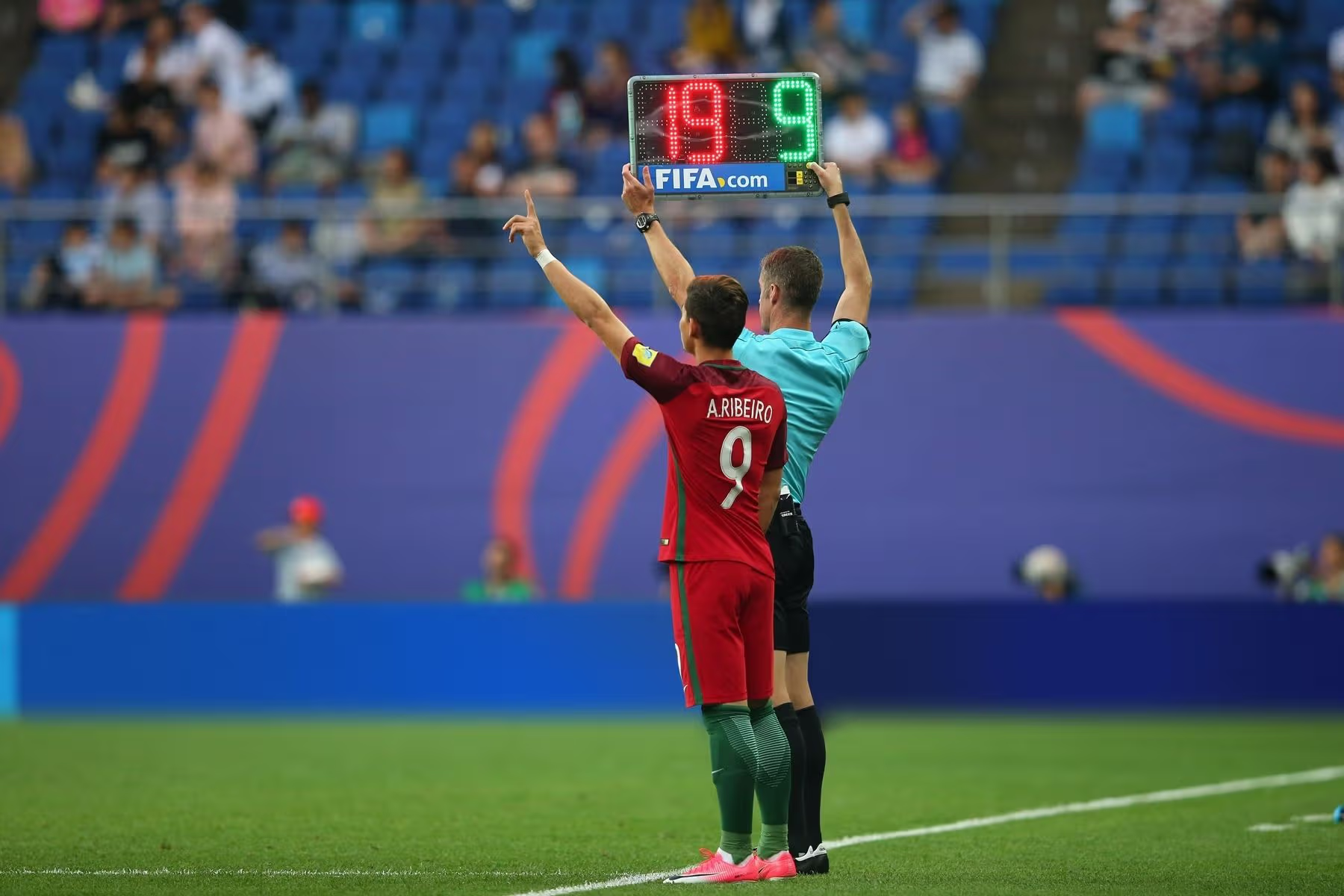
Substitutions have also been targeted as part of efforts to speed up the game.
Players leaving the field must now do so within 10 seconds and use the nearest exit point. Failure to comply could delay the entry of the replacement player until the next stoppage after one minute of play has elapsed.
Another notable adjustment concerns injured players.
Outfield players receiving treatment after play has been stopped must remain off the pitch for at least one minute after the restart. The rule includes exemptions for goalkeepers, serious injuries, head injuries, goalkeeper-player collisions and certain penalty situations.
The disciplinary code has also been strengthened.
Players who cover their mouths with a hand, arm or shirt while confronting opponents may now face a red card, a move aimed at reducing discriminatory abuse and promoting greater transparency during on-field disputes.
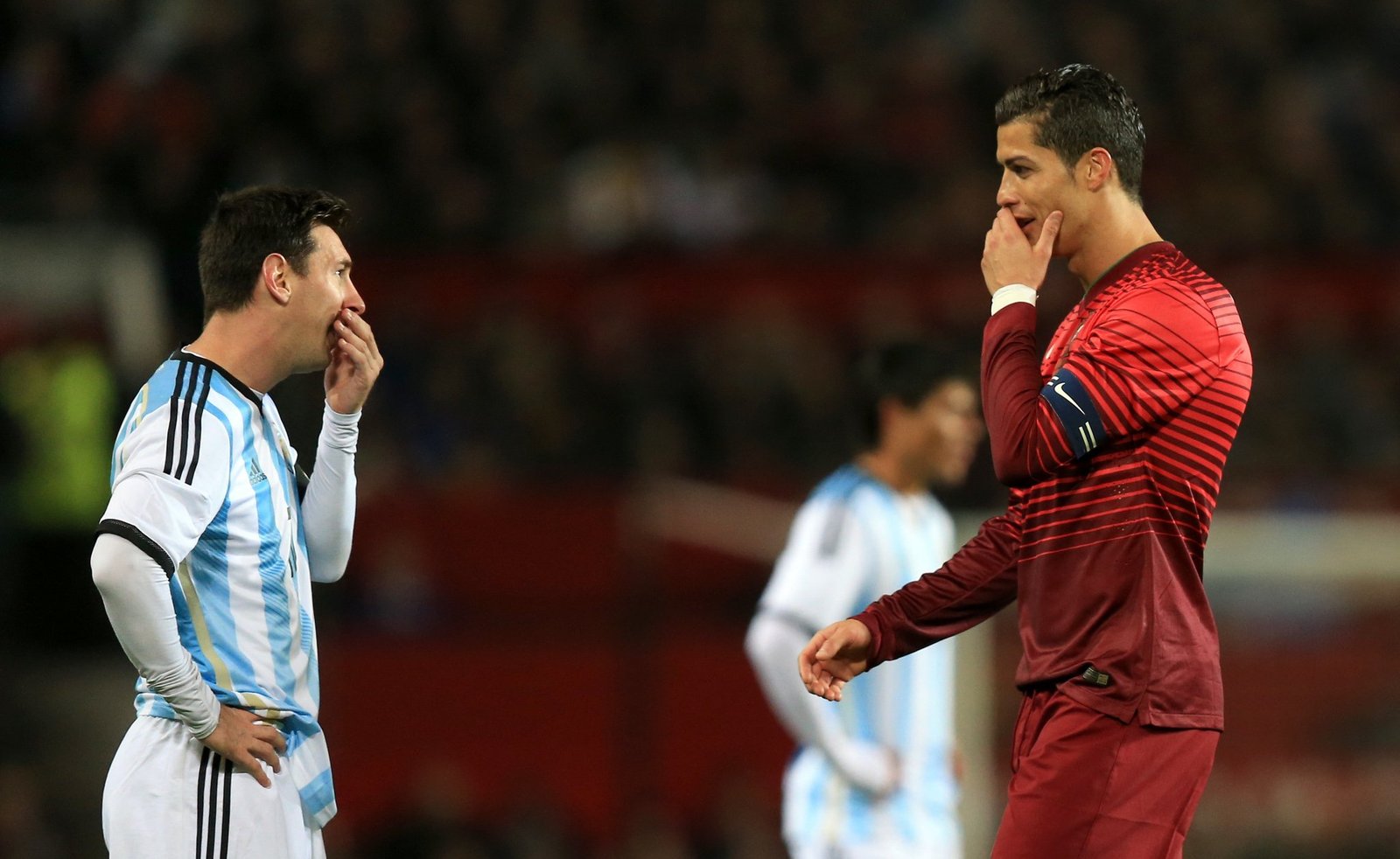
Similarly, players who walk off the pitch in protest of refereeing decisions risk dismissal, while teams that abandon matches could forfeit the game entirely. Team officials found to have encouraged such actions may also face sanctions.
For the first time, competitions will also have the option of allowing referees to wear body cameras during matches.
READMORE: Governor Mbah gifts land and cash to Rangers International after record ninth NPFL title
The footage will remain under the control of competition organisers, but the measure is expected to provide valuable insights into officiating decisions and improve fan understanding of refereeing processes.
Several technical amendments have also been introduced.
Players may now wear certain items previously prohibited under equipment regulations, provided they are safe, properly covered and securely fastened.
IFAB has also clarified dropped ball procedures, stating that possession should be awarded to the team most likely to have controlled the ball had play not been stopped.
The laws have further been updated to formally address accidental double touches during penalty kicks following previous guidance issued by football’s lawmakers.
Another adjustment relates to offences denying an obvious goalscoring opportunity (DOGSO). If a referee plays advantage and a goal is subsequently scored, the offending player will no longer receive a caution because the attacking team ultimately benefited from the situation.
CLICK HERE TO JOIN ATHLETIC NG WHATSAPP CHANNEL NOW!
International friendlies will also see increased squad flexibility, with senior national teams now permitted to use up to eight substitutes. Teams may agree to raise that number to 11 before a match.
Given concerns over extreme weather conditions expected during the summer tournament, FIFA has also approved hydration breaks lasting up to three minutes in each half, typically around the 22nd minute, although referees will retain discretion based on conditions.
The package of changes signals FIFA’s determination to modernize the game ahead of the first 48-team World Cup.