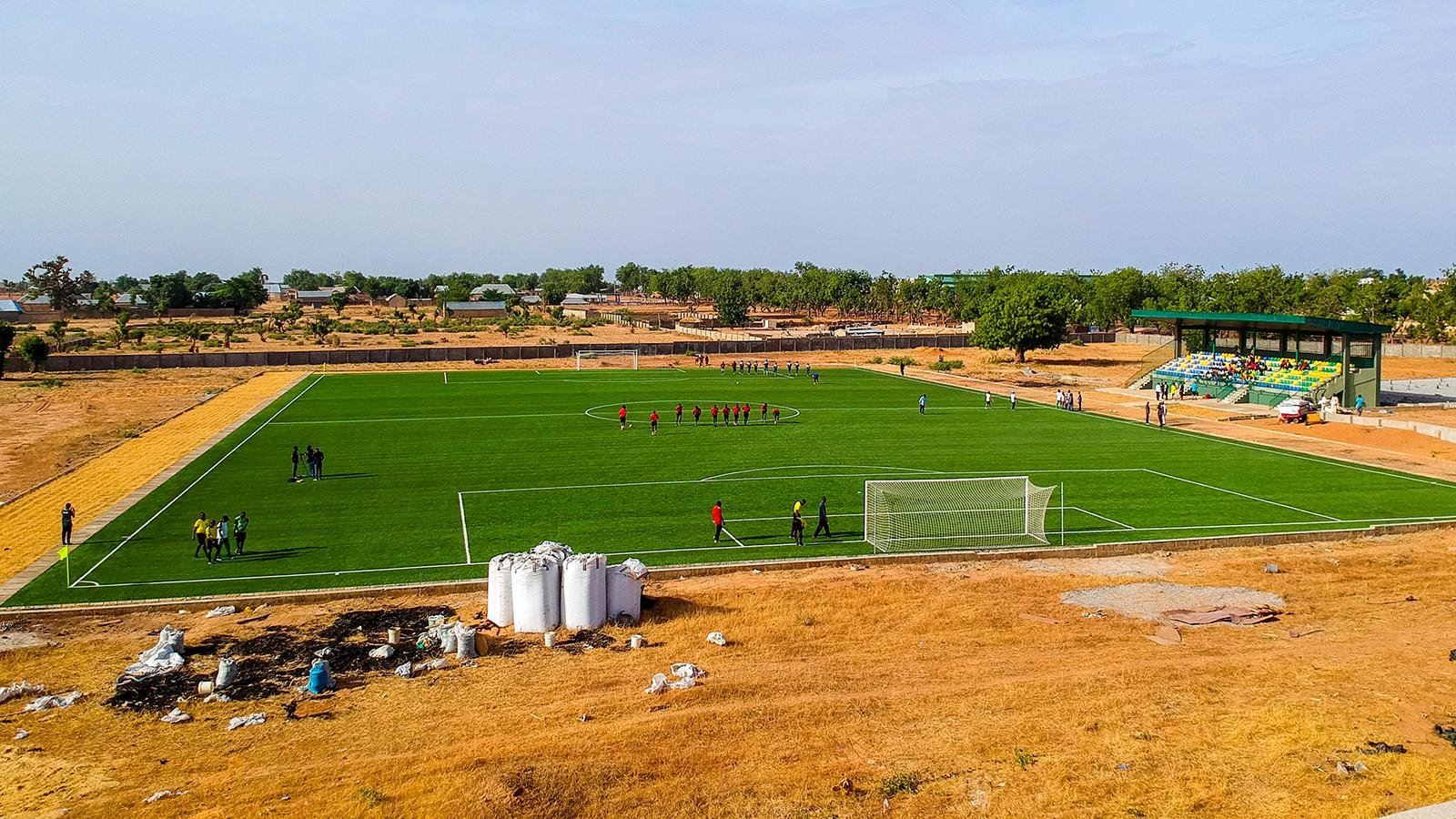
The Federal Government, through the National Sports Commission, has approved a series of landmark sports infrastructure projects and developmental initiatives aimed at repositioning Nigerian sports and restoring key facilities to international standards.
The approvals were ratified during a recent National Sports Commission Tenders Board meeting as part of a nationwide sports infrastructure renewal programme designed to improve sporting facilities, strengthen athlete development, and boost grassroots participation.
At the centre of the intervention is the long-awaited redevelopment of the Moshood Abiola National Stadium in Abuja, with the Federal Government approving an extensive upgrade of the country’s flagship sporting facility.
The project includes a complete revamp and redevelopment of the stadium pitch, rehabilitation of the tartan tracks, upgrades to dressing rooms, media centre, VIP seating areas, corporate suites, public address systems, security systems, cooling and heating facilities, and the stadium roof membrane.
In a major move to align Nigeria’s sporting facilities with international standards, the Commission also approved the installation of internationally compliant floodlights, electronic advertising boards, protective pitch covers, and the introduction of Video Assistant Referee technology.
The Abuja stadium project will further see the establishment of a High-Performance Centre, construction of two new training pitches, rehabilitation of the swimming pool at Package B, and the redevelopment of a 200-bed athletes’ hostel into a hotel complex aimed at serving athletes and generating sustainable revenue.
READMORE: Rivers United release official statement after painful NPFL title loss to Rangers
The Federal Government also approved the construction of an Anti-Doping Laboratory, revamp of sports medical facilities, procurement of advanced medical equipment, and the construction of a National Sports Centre office complex to house the National Sports Commission and sports federations.
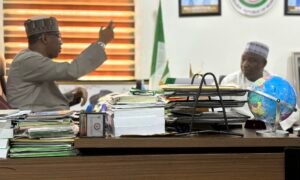
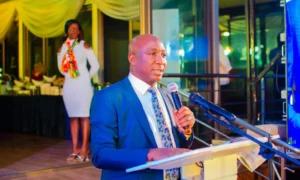
National Sports Commission chairman Shehu Dikko described the approvals as a major milestone in efforts to reposition sports as a strategic driver of national development.
“These projects represent a bold step towards restoring Nigeria’s sporting glory and creating sustainable opportunities for future generations,” Dikko said.
He added that President Bola Tinubu’s administration sees sports as a key tool for youth empowerment, infrastructure development, economic growth, and national unity.
The Commission also confirmed that President Tinubu has approved the establishment of a National Sports Infrastructure Development Bond, designed to mobilise sustainable funding for the redevelopment and maintenance of sporting facilities nationwide.
Director-General of the National Sports Commission, Bukola Olopade, said the intervention extends beyond stadium rehabilitation.
“This is beyond infrastructure renewal. It is about building a complete sports ecosystem that supports talent discovery, athlete development, job creation and global competitiveness,” Olopade stated.
Beyond Abuja, several states are also set to benefit from major sports infrastructure projects.
READMORE: ‘A well-deserved reward for hard work’ – SWAN celebrates Rangers’ ninth NPFL crown
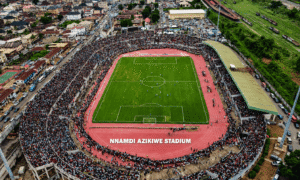
Enugu State, host of the next National Sports Festival, will receive an Olympic-size swimming pool, upgrades to its indoor sports hall, rehabilitation of athletes’ hostels, and other supporting sporting infrastructure.
In Lagos, plans are at an advanced stage for the complete revamp and redevelopment of the National Stadium through a public-private partnership arrangement, while discussions continue with the Oyo State Government over the redevelopment of the Obafemi Awolowo Stadium in Ibadan.
Kaduna will witness the total redevelopment of the Ahmadu Bello Stadium, with completion targeted for 2027 through a partnership between the National Sports Commission and the Kaduna State Government.
Construction and development work is also ongoing at the Bichi Stadium in Kano in collaboration with the National Assembly.
In a major grassroots development push, the Federal Government approved the establishment of sports centres in 15 tertiary institutions nationwide to revive school sports and strengthen talent discovery.
The Commission also approved the construction of 20 mini sports centres and mini stadiums across communities nationwide, an initiative expected to improve youth engagement, create economic opportunities, reduce social unrest, and strengthen security.
CLICK HERE TO JOIN ATHLETIC NG WHATSAPP CHANNEL NOW!
Host states for future National Sports Festivals will equally receive direct Federal Government support under the new framework.