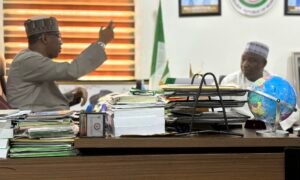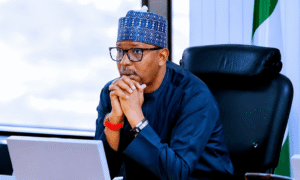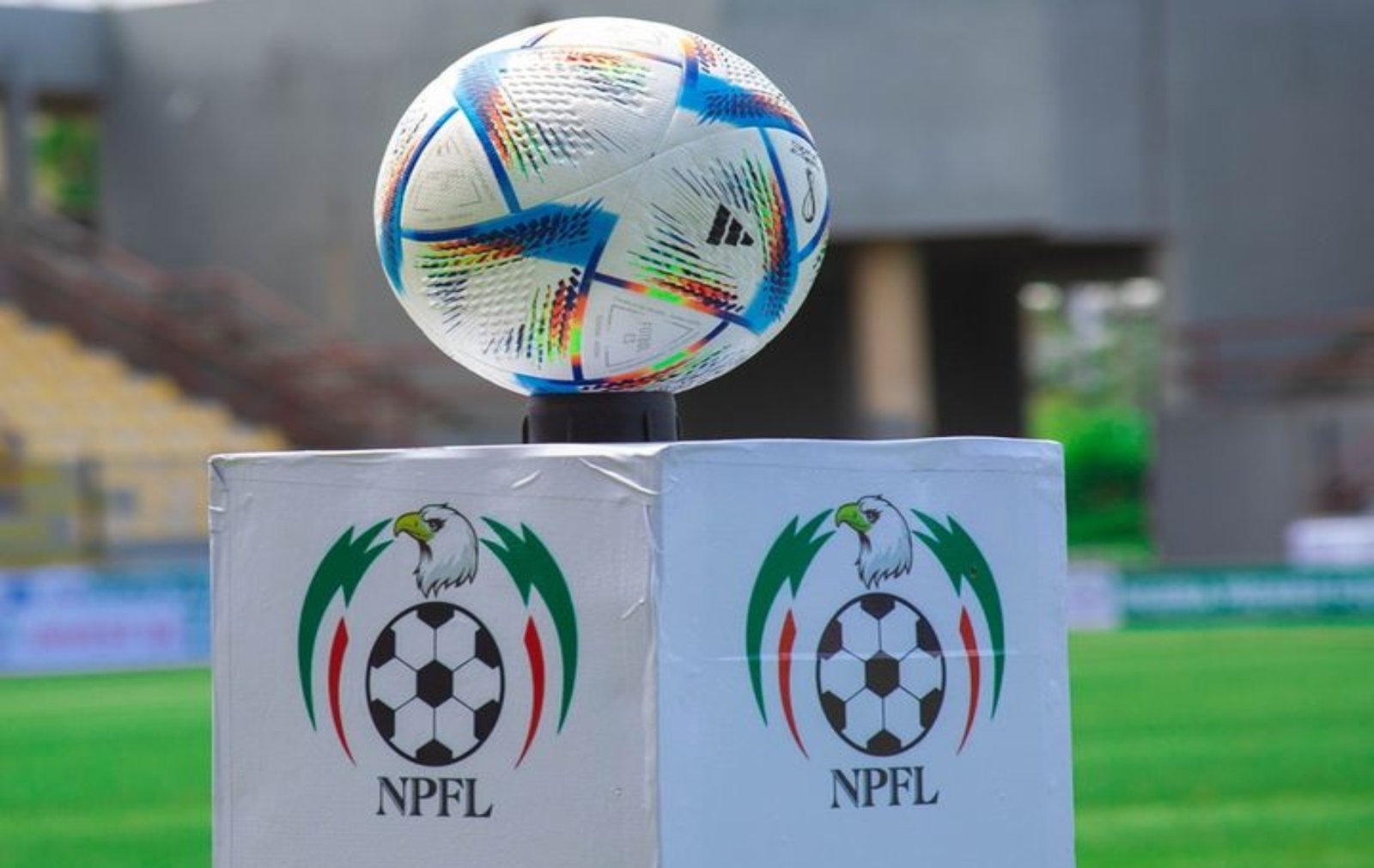
National Sports Commission chairman Shehu Dikko has defended the Federal Government’s decision to inject ₦2.5 billion into the Nigeria Premier Football League, insisting the intervention is aimed at laying the foundation for a sustainable and commercially attractive domestic competition.
Speaking amid criticism over government’s financial support for the league, Dikko argued that successful football leagues across the world benefited from public investment in their formative years, adding that Nigeria could not afford to ignore its domestic game any longer.
“We should have been accused of negligence if we failed to do what we are doing,” Dikko said.
“But now we are doing the needful and some people are against it.”
The former League Management Company chairman, who oversaw the league between 2013 and 2022, said he understood the challenges better than most after years of trying to run the competition without government backing.
“If I had this type of support from government those days, we would have taken the league to a much higher level now,” he said.
According to Dikko, the league received “not even one kobo” from government during his tenure, while potential sponsors were allegedly discouraged from investing in the competition.
“I worked hard to generate revenue for the league and some people in government would call the sponsors not to work with us,” he revealed.
“Only a mad man will keep doing the same thing when it is not yielding results.”
READMORE: Paralympic champion Lauritta still owed Buhari’s N2m reward, accuse former minister 11 years later
The NSC chairman said the commission’s intervention is designed to improve the overall product by helping clubs meet higher professional standards, including supporting the implementation of a proposed ₦2 million minimum wage for players.
“We have to make the product more attractive to investors,” Dikko explained.
“That is what we are doing when we put down ₦2.5bn.”
Dikko also pointed to recent successes in attracting private investment into Nigerian sports, revealing that the NSC secured ₦5 billion from a single sponsor for the National Sports Festival after introducing innovations such as the Invited Junior Athletes initiative.
He believes similar reforms can make the NPFL attractive to major corporate sponsors.
“We have commitments from A-list sponsors wishing to support our school sports initiatives,” he said.
“The money they are putting down for school sports is much more than the entire revenue of the NPFL.”
To justify government involvement, Dikko cited examples from some of the world’s biggest football leagues.
He claimed the British government invested £200 million when the Premier League was established in 1992 and now earns billions annually through tax revenues generated by the competition.
He also referenced South Africa’s indirect support for its domestic league through free-to-air television rights, as well as Morocco’s continued investment in club subventions, stadium infrastructure and broadcast equipment.
READMORE: Hugo Broos officially steps down as Bafana Bafana coach as successor identified
According to him, Nigeria’s investment should be viewed as a long-term economic strategy rather than a short term expense.
“The money we put in will come back to the economy,” Dikko said.
“We will have a truly professional league where players are well paid and we will generate plenty of sporting jobs.”
NSC Director General Bukola Olopade backed Dikko’s position, saying the commission’s chairman possesses the experience required to reform the domestic league after previously leading its administration.
“If the domestic league doesn’t improve under the leadership of Mallam Dikko, then a lot should be questioned,” Olopade said.
Nigeria Football Federation president Ibrahim Gusau also urged stakeholders and the media to support the reforms, recalling how previous sponsorship opportunities were lost due to interference.
“Now we have a government that wants to support our league to develop, we should support and not discourage them,” Gusau said.
Chairman of the NPFL Club Owners Association, Okey Kpaluku, welcomed the intervention, describing government support as the catalyst needed to attract greater private investment into the country’s top-flight league.
“You need money to have a successful league,” Kpaluku said.
“We have to make the league attractive first for investors to come in.”
CLICK HERE TO JOIN ATHLETIC NG WHATSAPP CHANNEL NOW!